
Product categories
- Women
- Men
- Couples
- Fetish
- Lingerie
- Funny sextoys
- Offers
Filter by price
🛡️ BODY-SAFE PRODUCTS
🔒 SECURE PAYMENT
📦 DISCREET SHIPPING
Wand Vibrators – Oversized Motors For Deep-Tissue Penetration
Every other vibrator category attempts to miniaturise. The wand does the opposite. It deliberately uses size as an engineering advantage. A larger motor housing accommodates a heavier eccentric mass spinning at higher torque. A broader contact head distributes that energy across a wider surface area. A longer handle provides leverage that eliminates wrist strain during sustained application. The result is a class of vibrator that produces oscillation amplitudes physically impossible at smaller scales — deep, penetrating rumble that travels through tissue layers rather than buzzing on the surface.
The physics are straightforward. Vibration amplitude is proportional to the mass of the oscillating element and the radius of its rotation. A wand motor uses an eccentric weight 3-5 times heavier than a bullet motor, spinning on a shaft 2-3 times longer. The resulting displacement amplitude at the contact surface is an order of magnitude greater. This is not a subtle difference. It is the difference between surface tingling and deep muscular oscillation that reaches nerve structures buried centimetres below the skin — structures that smaller devices cannot physically access regardless of their frequency or power settings.
The broad head (typically 45-65mm diameter) serves a specific purpose beyond comfort. It creates a large contact patch that couples the motor’s oscillation to the body efficiently. A small contact point (like a bullet tip) concentrates energy but also allows the device to bounce off the skin at high amplitudes because the contact area is too small to maintain stable coupling. The wand’s broad head maintains full-surface contact even at maximum amplitude, ensuring all motor energy transfers into tissue rather than being lost to air gaps created by bouncing.
For focused pinpoint stimulation at the opposite end of the size spectrum, Bullet Vibrators deliver concentrated energy through a narrow tip. For precision clitoral targeting with ergonomic handles, Clitoral Stimulators balance focus with comfort. For contactless stimulation that avoids direct pressure entirely, Clitoral Suction Toys use air-pulse technology. The parent Vibrators category covers all motor-driven stimulation systems.
Showing all 7 resultsSorted by popularity
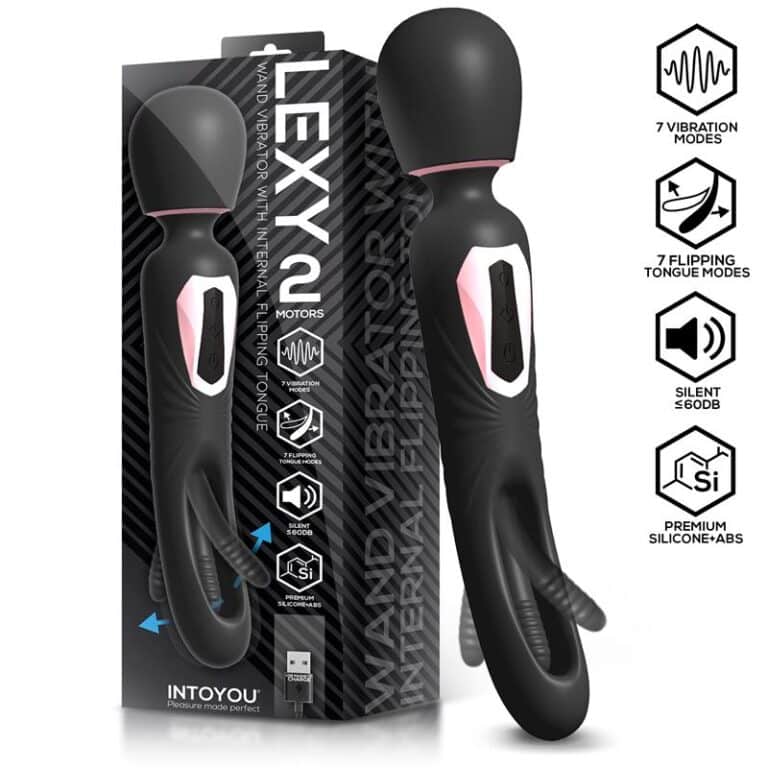
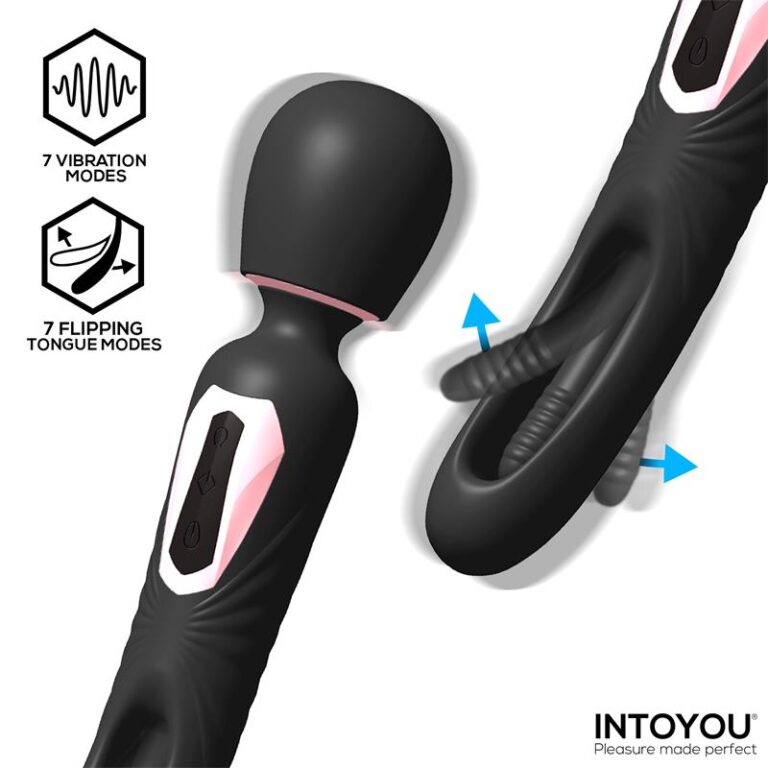
Lexy Vibrating Wand with Internal Flipping Tongue


Pretty Love Massager Power Wand Black and Gold
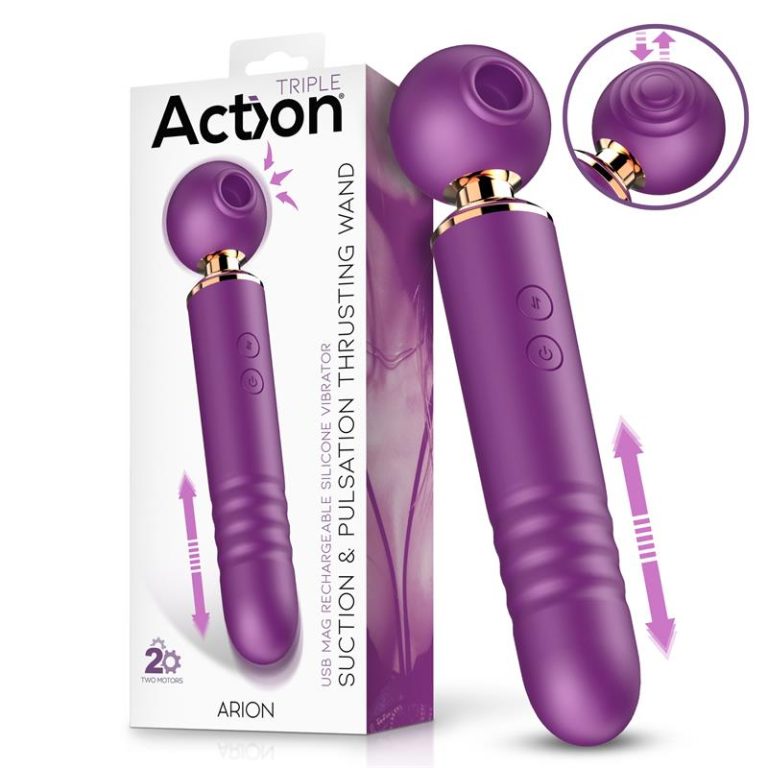
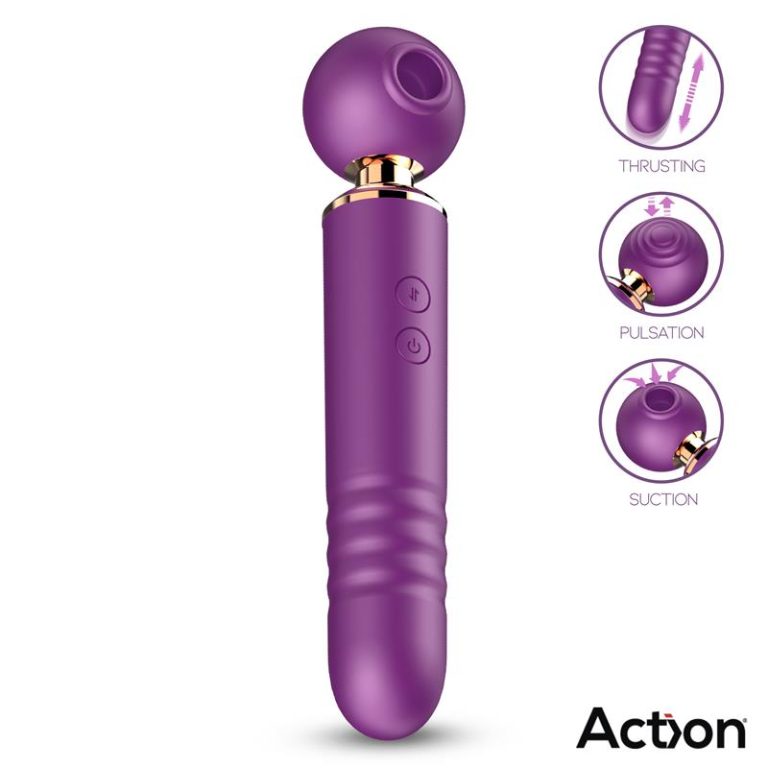
Arion Wand with Suction, Pulsation and Thrusting

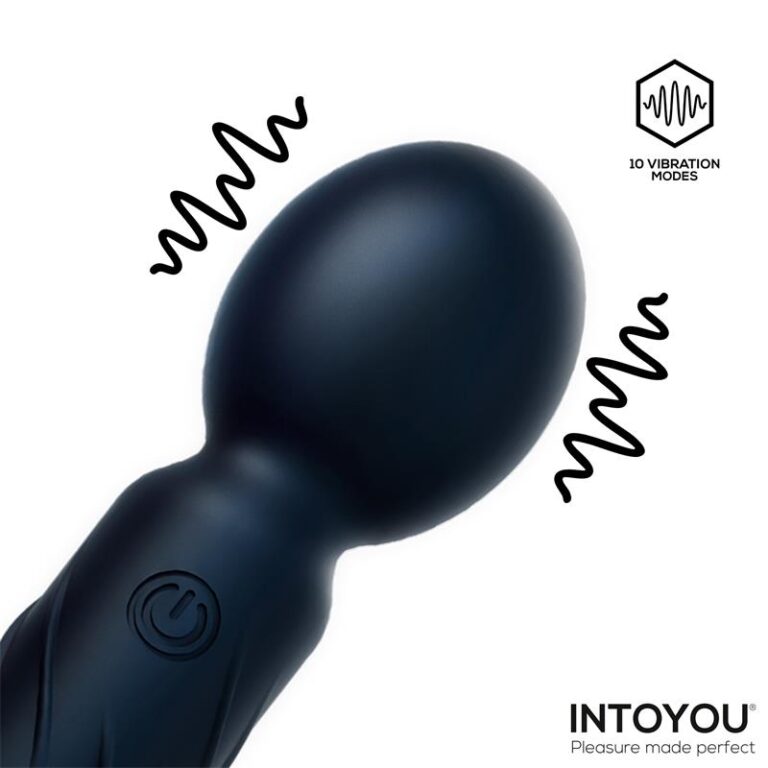
Balmy Vibrating Wand Stimulator


Wand Massager Relyme USB Silicone Black
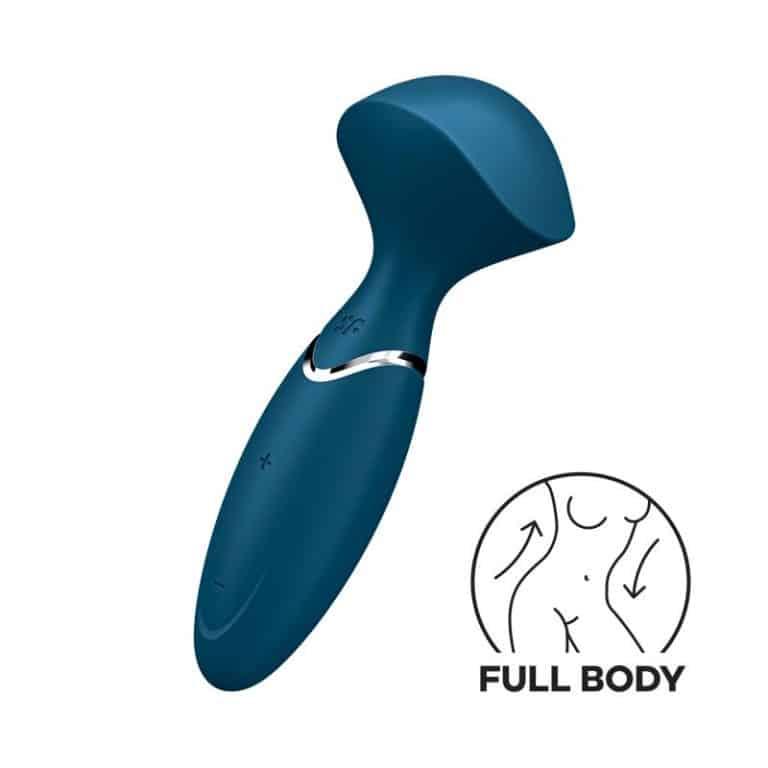
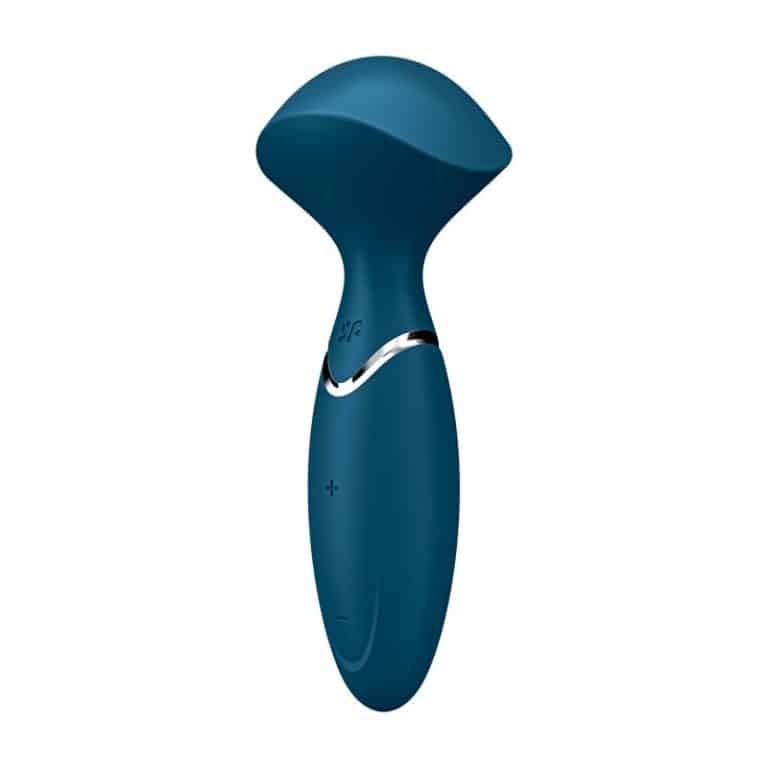
Stimulator Mini Wand-er Blue
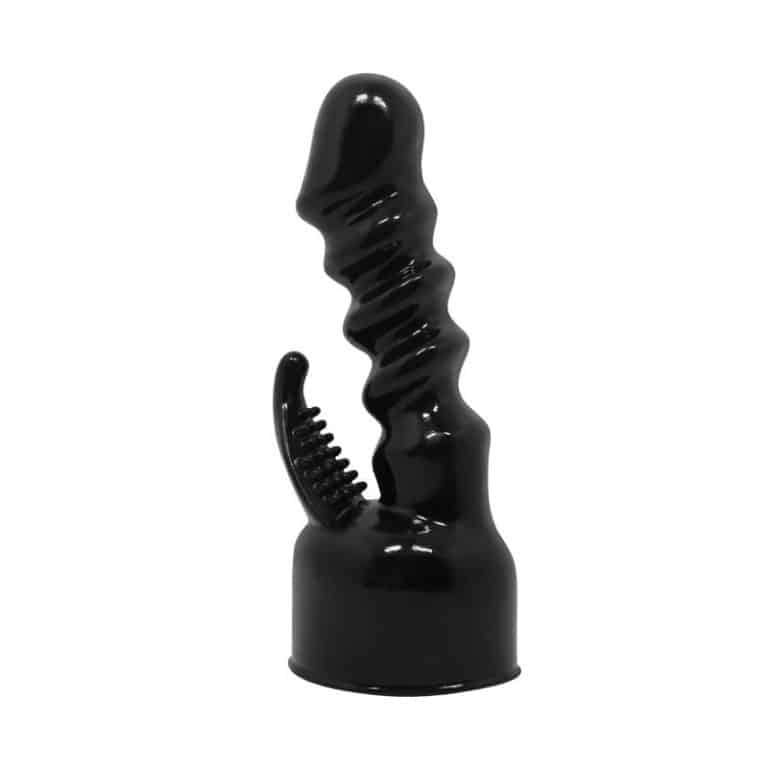

Power Head Wand Accessor Black
Motor Architecture And Power Classes
Wand vibrators divide into two power classes: mains-powered and battery-powered. Mains-powered wands draw directly from a wall socket (typically 20-30W), providing unlimited runtime and consistent maximum output without voltage drop. The motor can be driven at full torque indefinitely because power supply is not constrained by stored energy. Battery-powered wands use high-capacity lithium cells (2000-3500mAh) that provide 2-4 hours of runtime but cannot match the sustained peak output of mains power. The motor must be slightly de-rated to preserve battery life, resulting in 70-85% of the amplitude a mains-powered equivalent produces.
The motor itself is a heavy-duty ERM (eccentric rotating mass) unit measuring 25-35mm in diameter — three to four times larger than motors in compact vibrators. The eccentric weight ranges from 8-15 grams (compared to 1-3 grams in a bullet). This mass, spinning at 3,000-6,000 RPM, generates centrifugal force that displaces the entire head assembly in a circular oscillation pattern. The head moves visibly at maximum power — displacement amplitudes of 1-2mm are common, compared to 0.1-0.3mm in smaller devices.
Head Design And Tissue Coupling
The spherical or domed head shape maximises contact area regardless of application angle. Whether pressed flat against the body or applied at an angle, the curved surface maintains a consistent contact patch. A flat-headed design would require precise perpendicular alignment to achieve full contact — any tilt creates an edge that concentrates pressure uncomfortably. The dome self-centres against the body's contours, distributing pressure evenly across its surface without requiring the user to maintain a specific angle.
Head material and density determine vibration transmission. A dense, firm head (high-durometer silicone or hard plastic with a thin silicone cover) transmits motor oscillation directly to the body with minimal energy loss. A soft, cushioned head (low-durometer silicone, thick padding) absorbs some vibration energy before it reaches the skin, reducing perceived intensity but providing a more comfortable, less aggressive contact. Users who find direct wand power overwhelming benefit from softer heads that buffer the motor's full output.
Flexible Neck Engineering
The neck connecting the head to the handle is a critical engineering element. A rigid neck transmits all motor vibration into the handle, causing hand fatigue and numbing the user's grip during sustained use. A flexible neck isolates the vibrating head from the handle, allowing the head to oscillate freely while the handle remains relatively stable. This isolation serves two purposes: it protects the user's hand from excessive vibration transfer, and it allows the head to conform to body contours by flexing rather than requiring the user to adjust handle angle.
Neck flexibility also affects how the head responds to pressure. A stiff neck maintains the head's position rigidly — pressing harder simply increases contact pressure without changing the head's angle. A flexible neck allows the head to tilt and conform as pressure increases, wrapping partially around curved body surfaces (the vulva, the perineum, muscle groups) rather than pressing flat against them. This conforming behaviour increases the effective contact area under pressure, coupling more of the head's vibrating surface to the body.
Attachment Systems And Versatility
Silicone attachments that fit over the wand head transform its broad stimulation into focused or specialised patterns. A pointed attachment concentrates the head's vibration through a narrow tip for pinpoint application. A textured attachment adds ridges or bumps that create localised pressure variations across the contact surface. A curved G-spot attachment redirects the vibration from external to internal use, creating an insertable extension powered by the wand's oversized motor — delivering internal vibration amplitudes impossible from any self-contained insertable device.
The attachment ecosystem effectively converts a single wand into multiple devices. One motor — the most expensive and performance-critical component — powers an unlimited variety of contact geometries through interchangeable silicone heads. This modularity provides better value than purchasing separate dedicated devices for each stimulation type, while ensuring that every configuration benefits from the wand's superior motor power. Attachments are typically universal across wand brands that share standard head diameters (50mm or 55mm being most common).
Frequently Asked Questions
1. Why are wand vibrators so much more powerful than other vibrators?
Size enables power. A wand's motor is 3-5 times larger than motors in compact vibrators, with an eccentric mass 5-10 times heavier. Vibration amplitude scales directly with mass and rotation radius. The larger housing also provides structural mass that amplifies oscillation through resonance rather than dampening it. Mains-powered wands add unlimited energy supply, eliminating the power constraints that batteries impose on smaller devices. The combination of larger motor, heavier mass, and unrestricted power produces amplitudes that smaller devices cannot physically achieve.
2. Is a wand vibrator too powerful for clitoral use?
At maximum intensity, yes — for many users. The broad head and high amplitude can overwhelm the clitoral nerve endings, causing numbness rather than pleasure. However, wands with variable speed control allow low-intensity settings that provide gentle, deep rumble perfectly suited to clitoral stimulation. The broad head also distributes energy across a wider area than pinpoint devices, which some users find more comfortable than concentrated stimulation. Start at the lowest setting and increase gradually. Using the wand through clothing or a folded towel further reduces effective intensity.
3. What is the difference between mains-powered and cordless wand vibrators?
Mains-powered wands plug into a wall socket, providing unlimited runtime and maximum consistent power (20-30W). They never weaken or die mid-session. Cordless wands use rechargeable batteries (2000-3500mAh), providing 2-4 hours of runtime with freedom of movement but slightly reduced peak amplitude (70-85% of mains equivalent). The cord limits positioning flexibility; the battery limits session duration and peak power. Choose mains for maximum intensity and unlimited use, cordless for freedom of movement and travel capability.
4. Can I use a wand vibrator for body massage?
Yes. Wand vibrators were originally marketed as body massagers, and their deep-tissue oscillation is genuinely effective for muscle tension relief. The broad head covers large muscle groups (shoulders, back, thighs, calves) efficiently. The high amplitude penetrates deeper into muscle tissue than smaller massagers. Many users purchase wands for dual-purpose use: sexual stimulation and legitimate therapeutic massage. The same physics that make them effective for nerve stimulation — deep oscillation reaching below the skin surface — also makes them effective for muscle relaxation.
5. Are wand vibrators loud?
Louder than compact vibrators, yes. The larger motor and heavier eccentric mass produce more airborne noise (typically 50-65dB at maximum intensity — comparable to normal conversation volume). At lower settings, noise drops to 35-45dB. The broad head pressed against the body dampens some noise through tissue absorption. Cordless wands are generally quieter than mains-powered models because their slightly smaller motors produce less structural vibration. For noise-sensitive situations, Quiet Sex Toys offer lower-amplitude alternatives.
6. What are wand attachments and do I need them?
Attachments are silicone caps that fit over the wand head, changing its shape and function. A pointed attachment focuses vibration for pinpoint stimulation. A G-spot attachment creates an insertable curved extension. A textured attachment adds surface variation. You do not need them for basic use — the standard head works effectively for broad external stimulation. Attachments add versatility by converting the wand into specialised tools powered by its superior motor. They are optional upgrades that expand the device's capability without requiring additional purchases of separate vibrators.
7. How do I use a wand vibrator during partnered sex?
The wand's size makes it less practical between bodies than a Bullet Vibrator during penetrative sex. It works best in positions where the vulva is accessible: the receiving partner on top (wand between bodies, head against clitoris), doggy-style (partner reaches around with wand), or side-by-side (wand applied from the front). The long handle provides reach that shorter devices lack, allowing a partner to apply stimulation from comfortable arm positions without contorting.
8. Can a wand vibrator cause desensitisation?
Temporary desensitisation (numbness lasting minutes to hours after use) is common with high-amplitude devices because the intense stimulation causes nerve fatigue. This resolves completely with rest and does not indicate permanent damage. Long-term habituation (needing progressively more intensity over weeks) can occur if the wand is always used at maximum power. Prevent this by varying intensity, using lower settings regularly, and incorporating sessions without the wand. Taking a 3-5 day break restores baseline sensitivity if habituation develops.
9. Is a wand vibrator waterproof?
Most mains-powered wands are NOT waterproof due to the power cord connection and ventilation requirements for the high-power motor. Never submerge a mains-powered wand or use it in water. Some cordless wands achieve IPX6 or IPX7 waterproof ratings through sealed construction, making them safe for shower use and submersion cleaning. Check the specific product's IPX rating before any water contact. For bath or shower use, only fully sealed cordless models with explicit waterproof certification are safe.
10. How do I clean a wand vibrator?
For waterproof cordless wands: wash the head under running water with mild antibacterial soap. For non-waterproof or mains-powered wands: wipe the head with a damp cloth and toy cleaner, ensuring no moisture enters the neck joint, ventilation holes, or cord connection. The head's silicone surface is non-porous and cleans easily. If using attachments, remove them after each use and clean both the attachment interior and the head surface separately. Dry all components thoroughly before reassembly or storage.
Our Product & Trust Standards
Products curated within this category are evaluated within erotica-shop.eu’s framework for material considerations, product integrity, editorial standards, and customer privacy.
Material Standards: Learn about our material selection criteria, chemical compliance considerations, and product-safety standards. Read Material Safety Standards →