Product categories
- Women
- Men
- Couples
- Fetish
- Lingerie
- Funny sextoys
- Offers
Filter by price
🛡️ BODY-SAFE PRODUCTS
🔒 SECURE PAYMENT
📦 DISCREET SHIPPING
Leather BDSM Gear – Material Authenticity And Sensory Depth
Leather BDSM gear is not just about the aesthetic; it is about the physical properties of the material itself. Unlike synthetic alternatives like nylon or neoprene, high-quality leather reacts to body temperature, develops a unique patina (a natural sheen and darkening that occurs through use and exposure) over time, and offers a specific weight and friction profile that synthetic materials cannot replicate. It is a “living” material that requires care but rewards the user with unmatched durability and a sensory experience that deepens with every use. In the context of power exchange, leather carries a psychological weight — the scent, the creak of the material, and the firm, non-yielding nature of the restraint all contribute to a state of immersion that lighter, modern materials often fail to achieve.
The engineering of leather gear focuses on tensile strength (the maximum load a material can withstand before breaking) and edge finishing. Professional-grade leather restraints are typically constructed from top-grain or full-grain leather — the strongest layers of the hide — and are often reinforced with a non-stretch internal core to prevent the material from elongating under the force of a struggle. The edges of high-quality leather gear are burnished (smoothed through friction to remove raw fibres) and often rolled or padded to prevent the “bite” of a sharp leather edge against sensitive skin. This attention to detail ensures that the gear remains comfortable during extended sessions while providing the absolute security required for intense bondage.
For practitioners seeking the most versatile restraint options, Bondage provides comprehensive systems beyond material-specific gear. For impact play, Whips, Floggers And Spanking Paddles offers leather-based tools for precision sensation. For symbolic signalling and ownership, Collars provides traditional leather neckwear. For material-specific genital control, Leather Cock Rings offers a tactile alternative to metal or silicone. The parent Fetish section provides the full range of power exchange equipment, and BDSM Accessories covers essential supplementary gear.
Maintaining leather gear is a non-negotiable part of ownership. Because leather is porous, it can absorb sweat and body oils, which can lead to bacterial growth if not cleaned correctly. Furthermore, leather can become brittle and crack if it dries out completely, compromising both its aesthetic and its structural safety. Regular conditioning with leather-safe products is essential to keep the fibres supple and strong. For many users, this maintenance ritual is part of the appeal — a way to care for the tools of their practice and ensure they remain safe and beautiful for decades of use.
Showing 1–36 of 681 resultsSorted by popularity
3 D-Ring Handcuffs
Starters Bondage Set 4 Pieces Black
7 Pcs Bondage Set Furry Kit
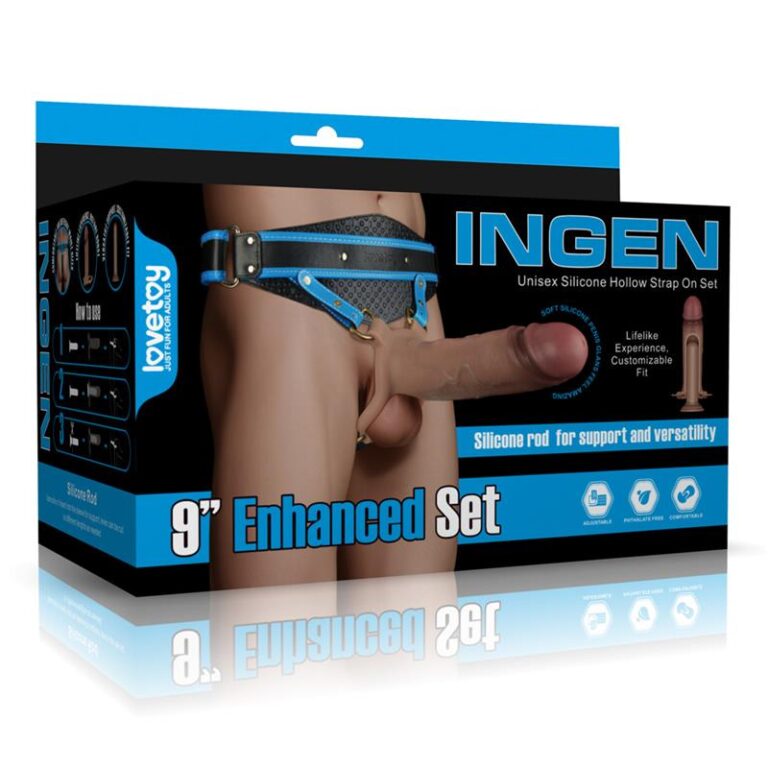
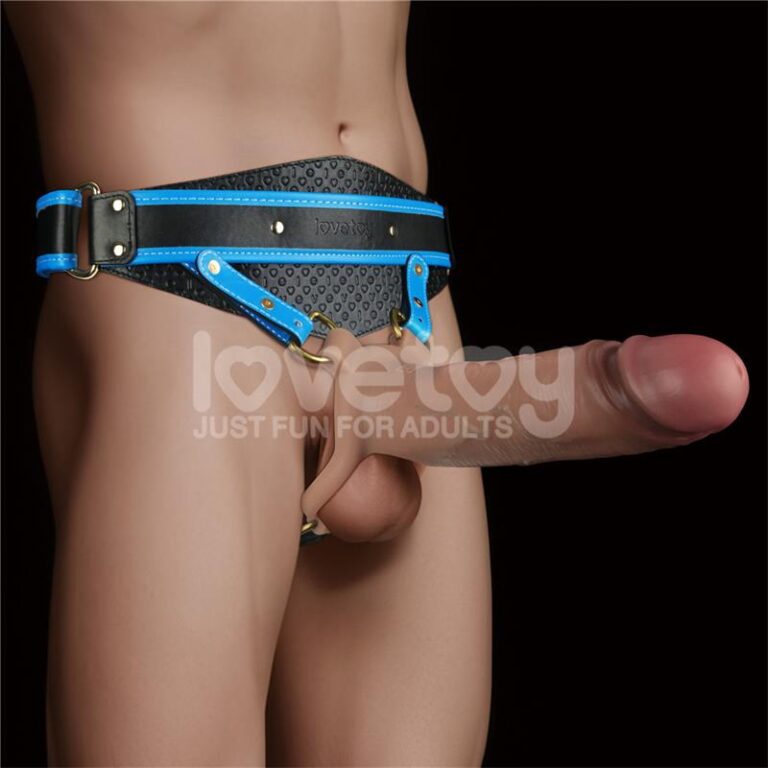
Ingen Adjustable Strap On with Hollow Dildo 9 Enhanced Set L/XL/2XL
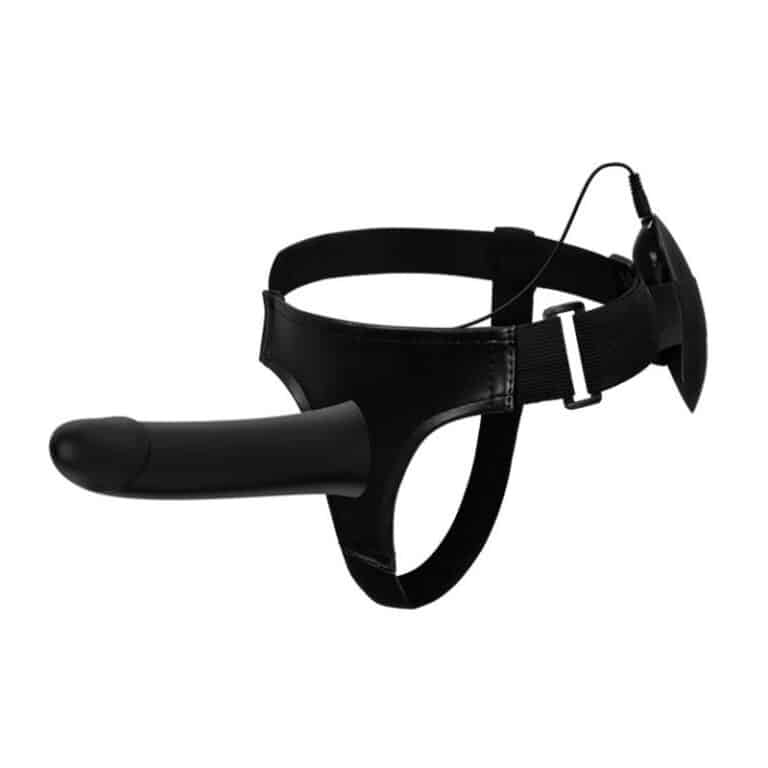
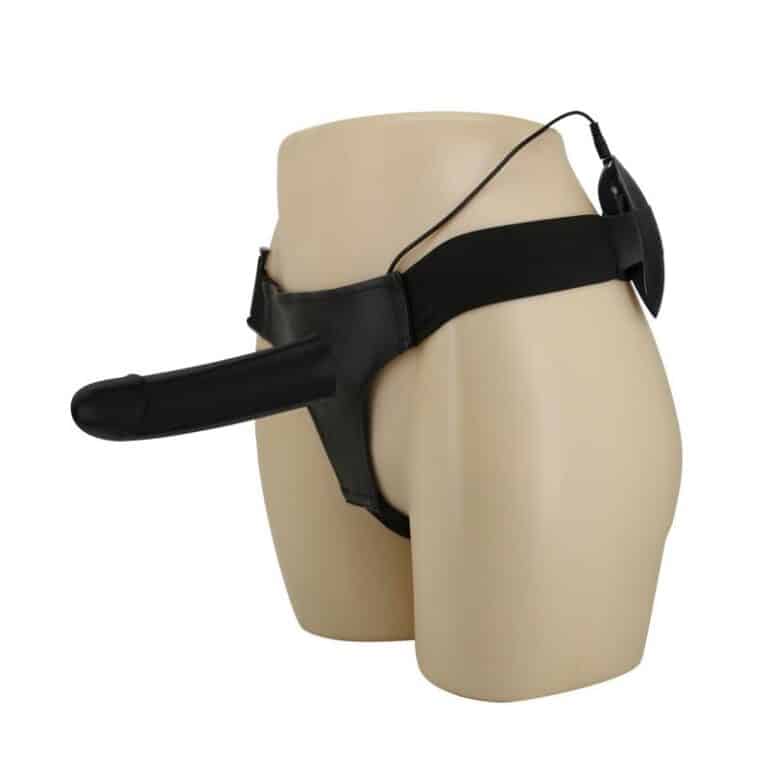
Vibrating Strap On with Hollow Dildo Vito
Silicone Ball Gag with Padlock Red
Neoprene Handcuffs Black
Strap-On with Hollow Dildo Premium Silicone Size S Flesh
Aneir Leg and Wait Bondage Harness Adjustable
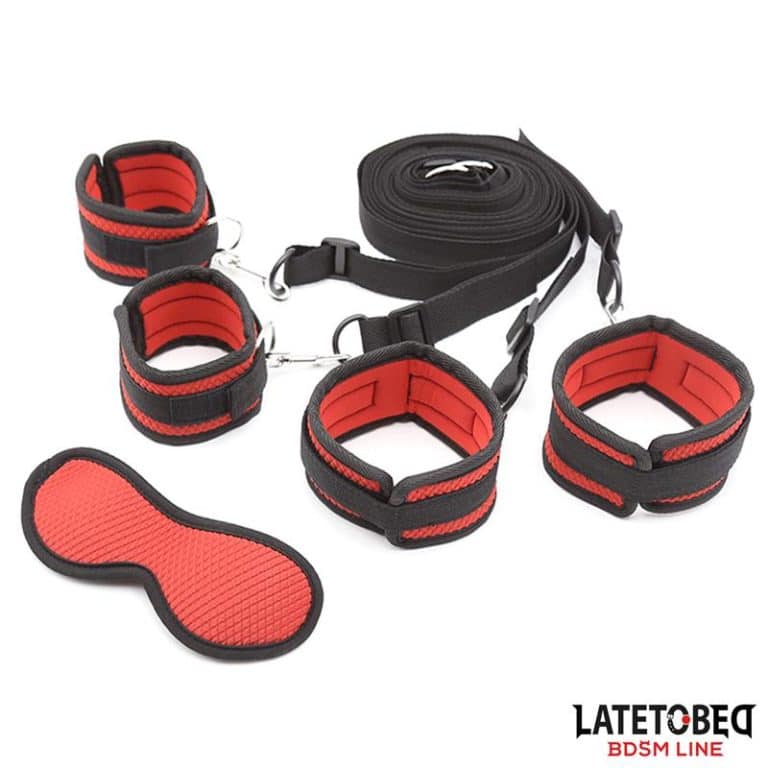
Bed Eestraint Set with Blindfold Adjustable Cuffs
3 Piece Bondage Set Nipple Cover, Eya Mask and HandCuffs
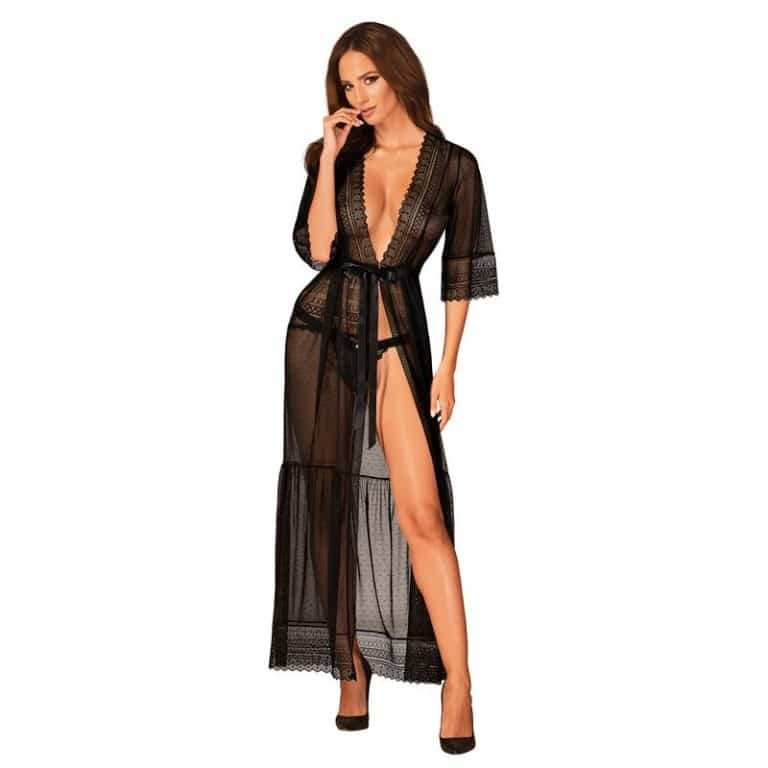
Estiqua Long Peignoir
Expandable Spreader Silver Bar
Angle Cuffs Classic
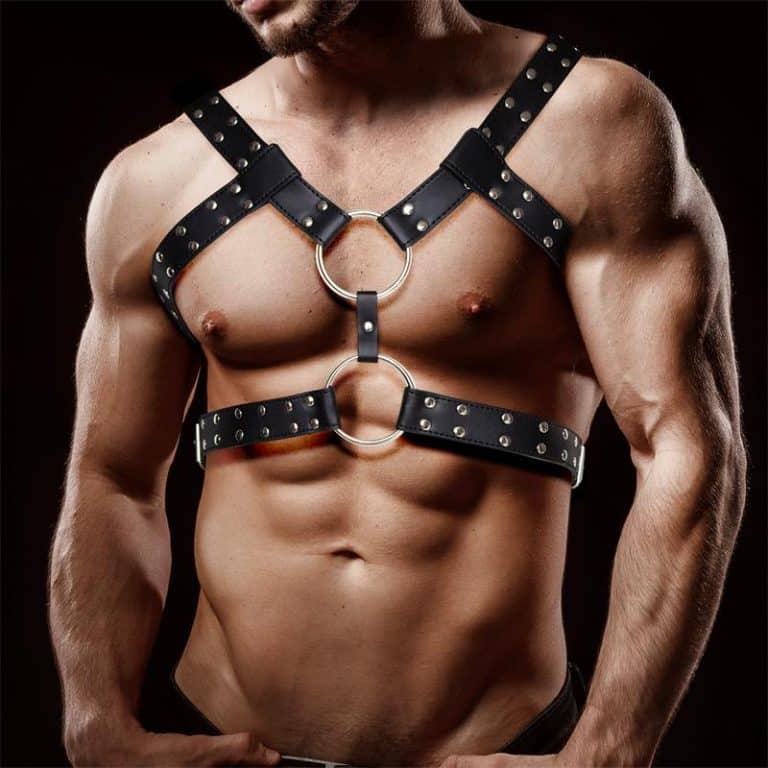
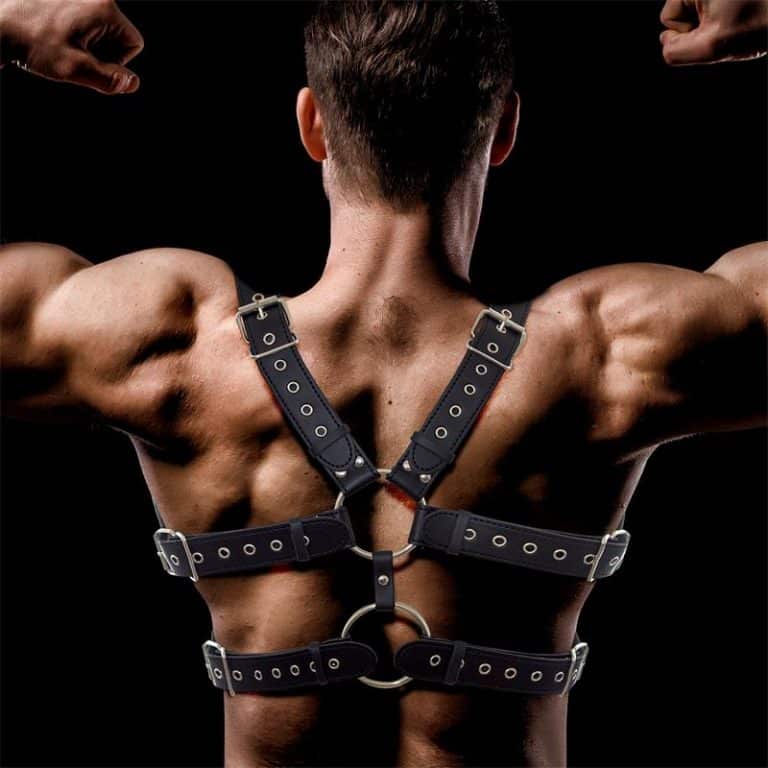
Aurum Male Chest Bondage Harness Vegan Leather
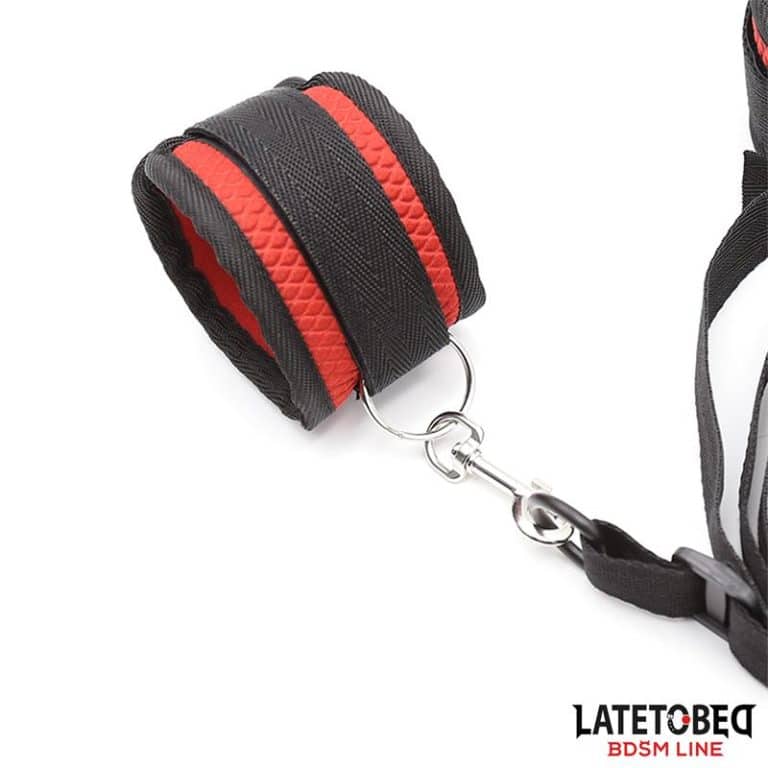
Wrist and Ankle Cuffs Set Vegan Leather
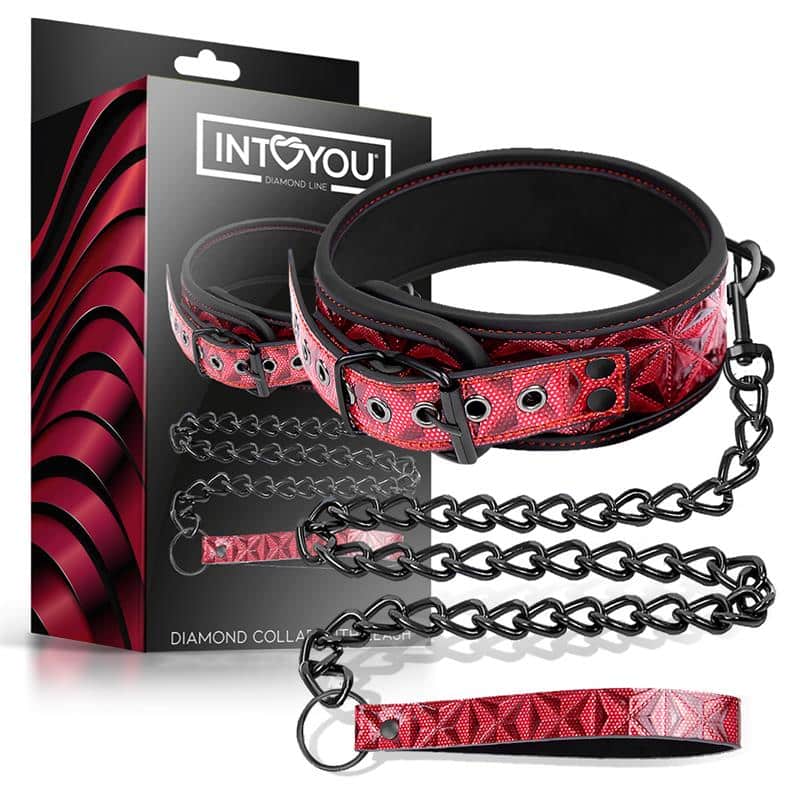
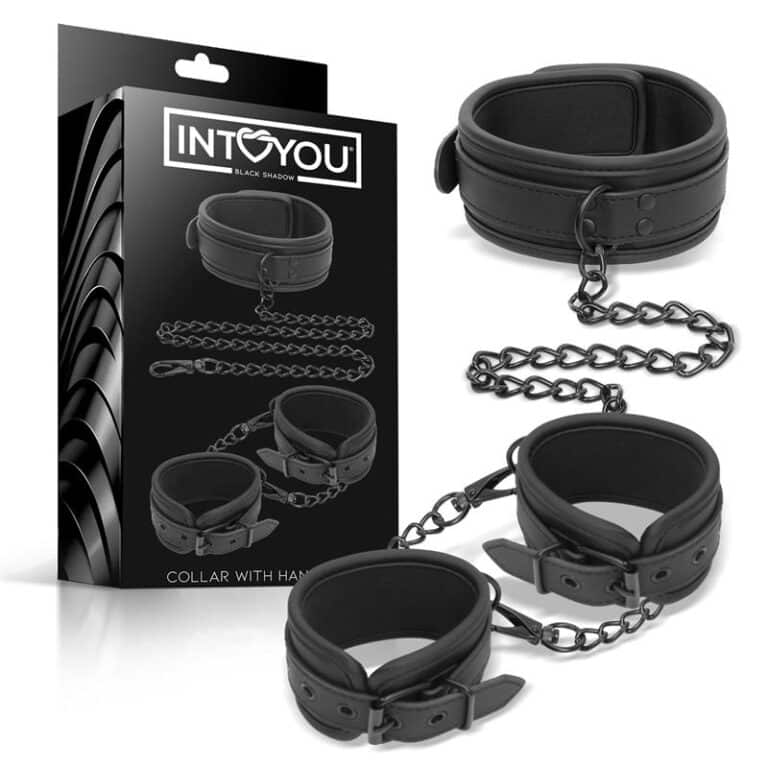
Collar and Hand Cuffs Set Vegan Leather
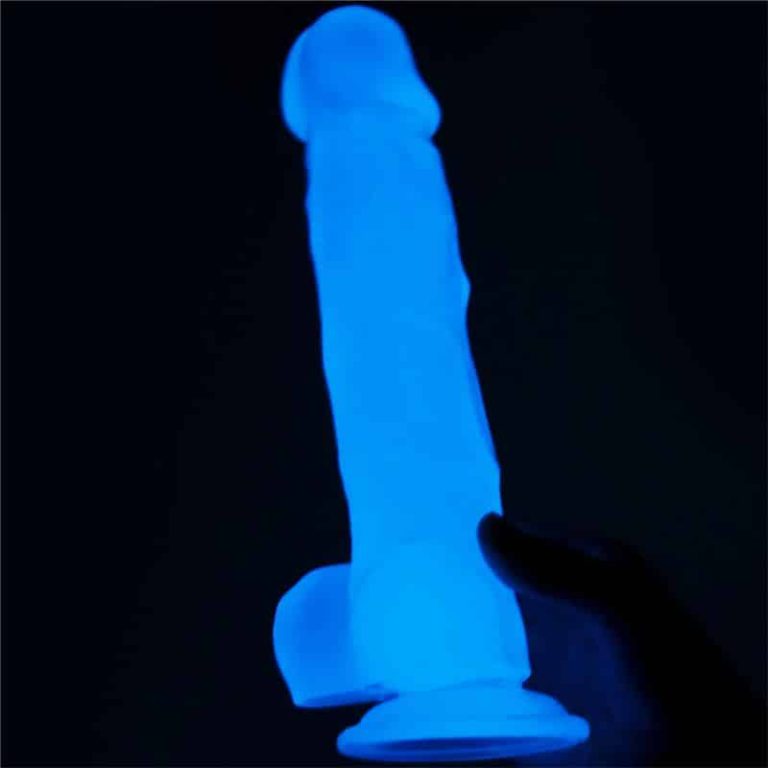
Dildo 8.5 Lumino Blue Light
Ankle Cuffs with Black Padded Interior 35 cm Black
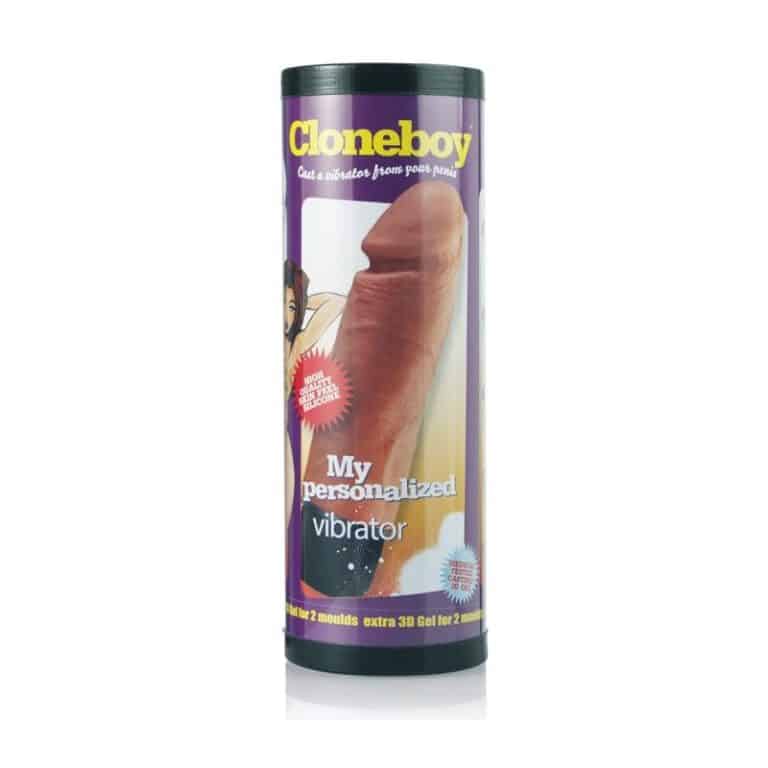
Cloneboy Dildo with Vibrator Classic
Metal Ankle Cuffs
Allesia Bondage Full Body Harness with Handcuffs
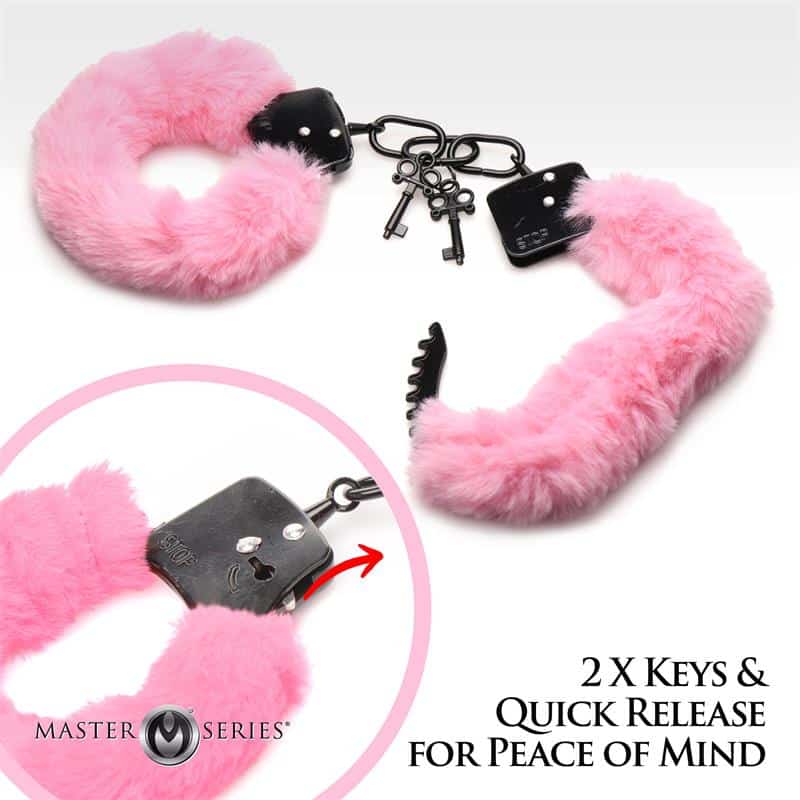
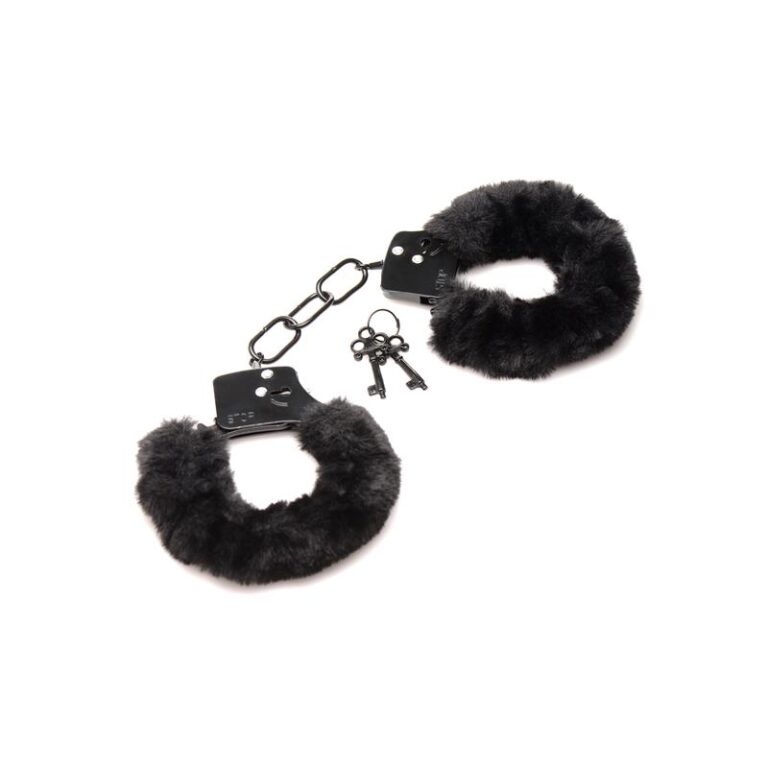
Furry Handcuffs Black
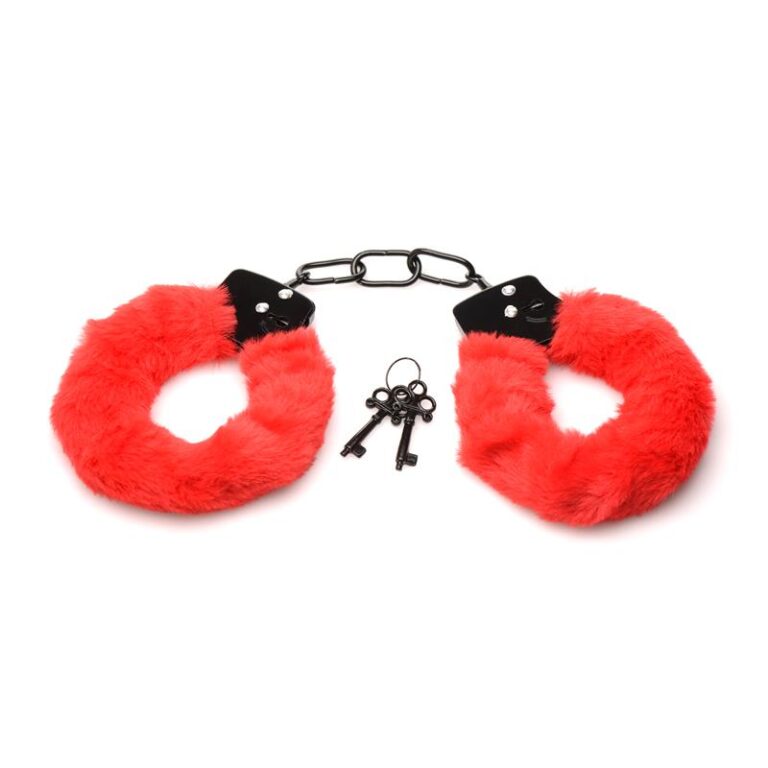
Furry Handcuffs Red
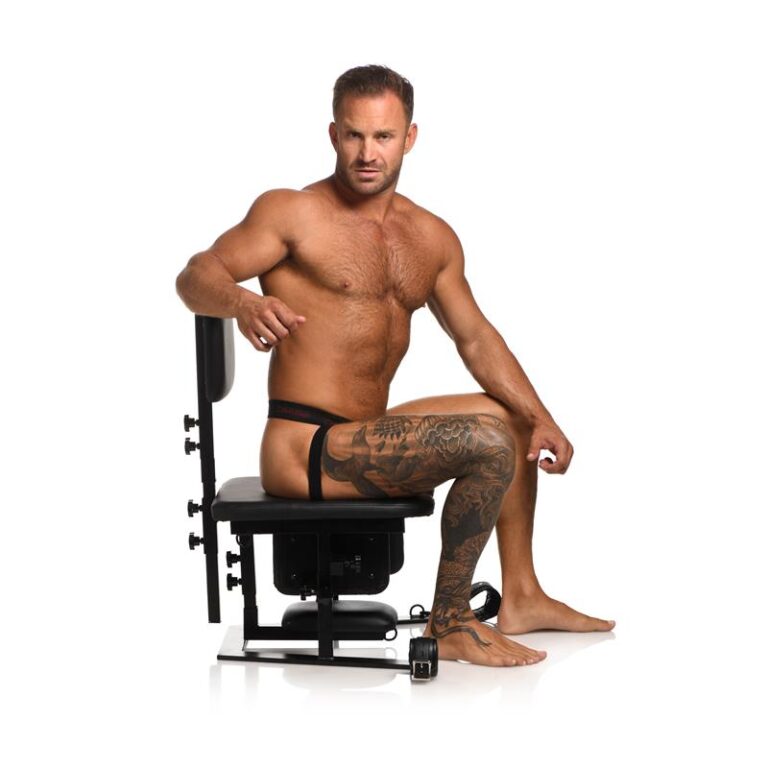
Pleasure Throne Oral Sex Chair
Crimson Captive 7 pcs Set
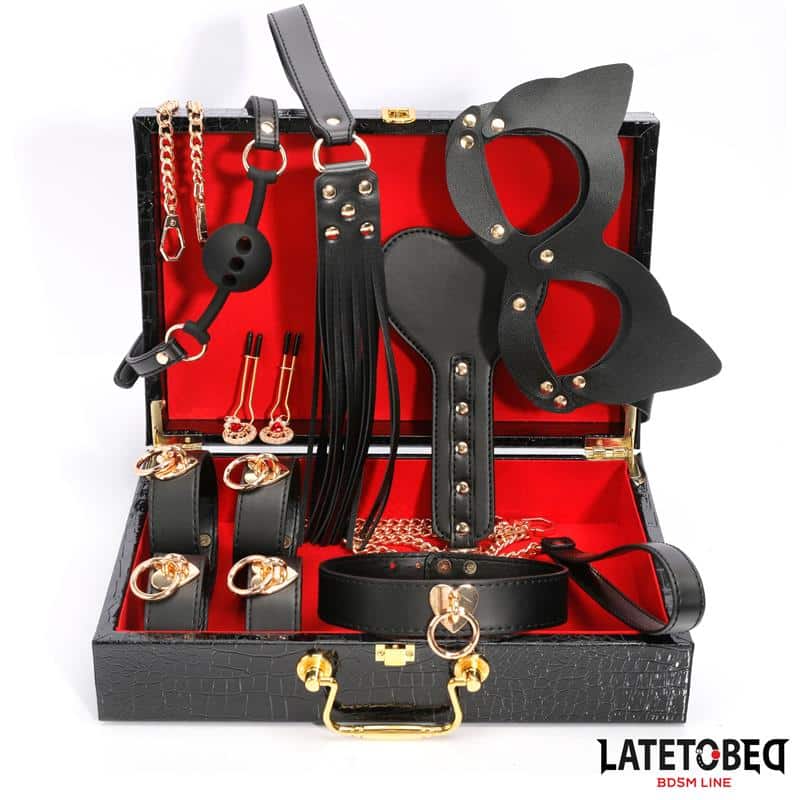
BDSM Kit 10 pcs
Secret Desires Black 8 Pieces BDSM
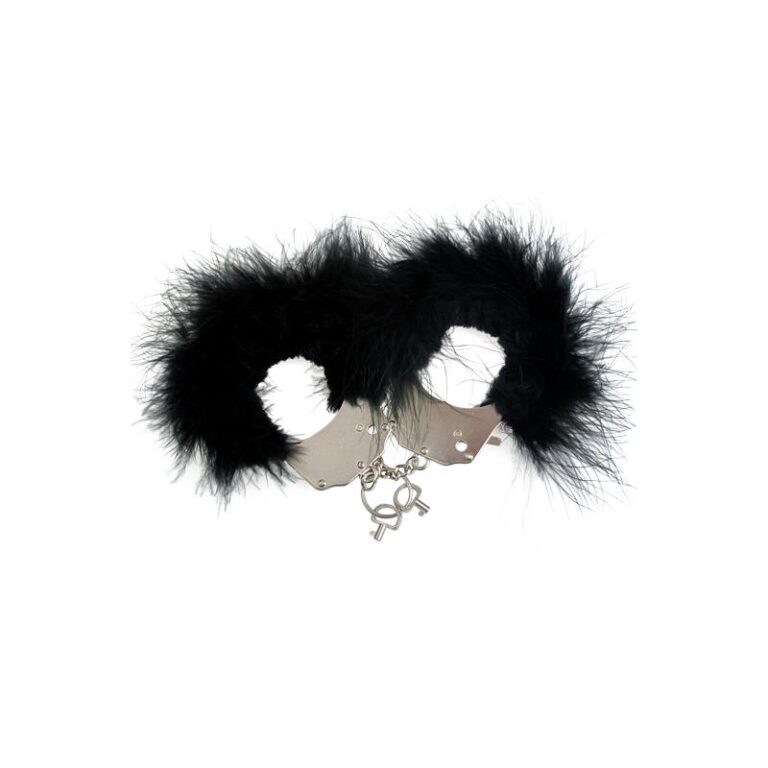
Cuffs Metal and Feathers Black
Restraint Set with Neck Suport
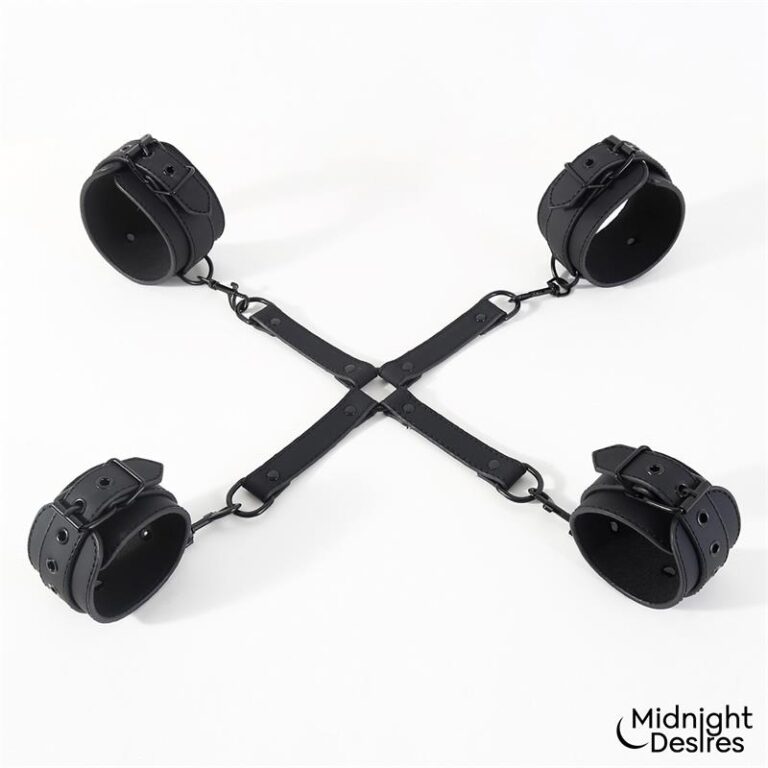
Rigid Crossed Bar with Cuffs
Bed Restraint Set
Restraint Set with Neck Support
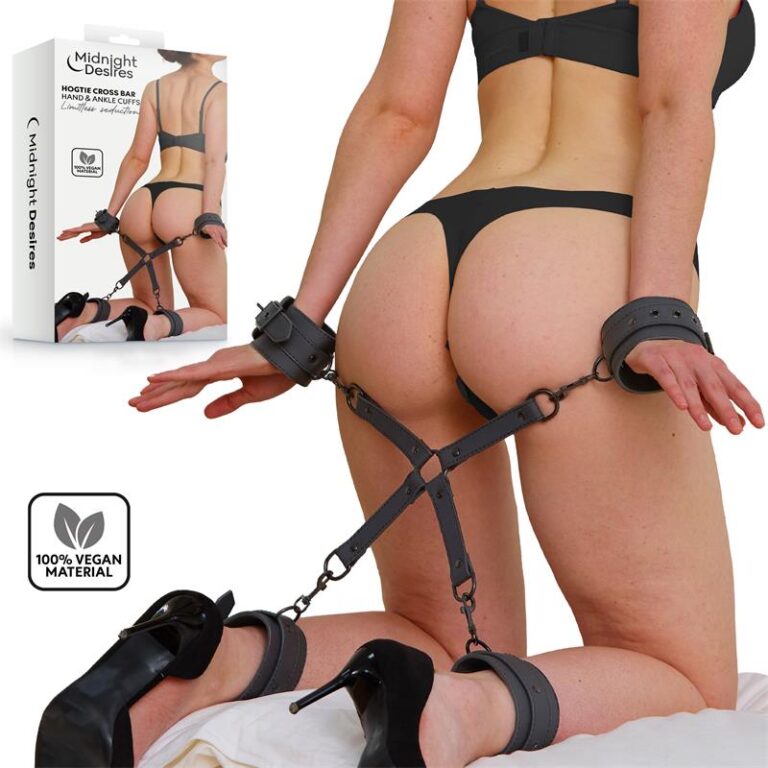
Hogtie Cross Bar Hand and Ankle Cuffs
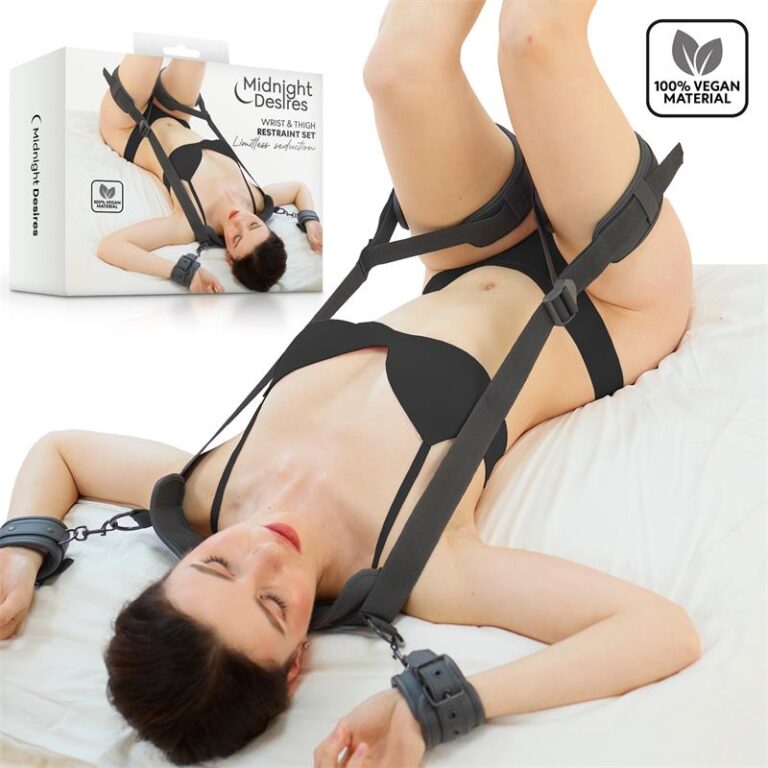
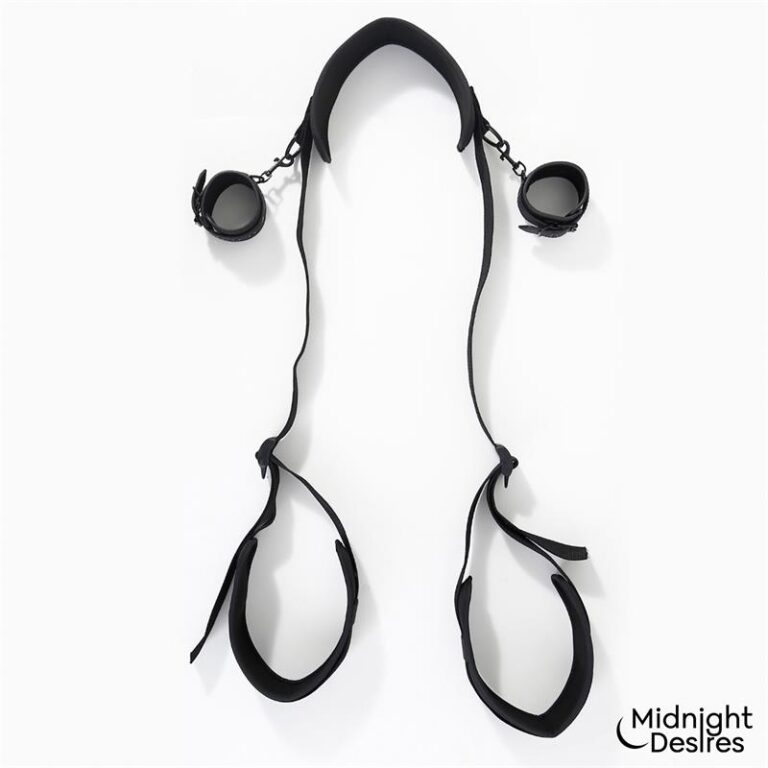
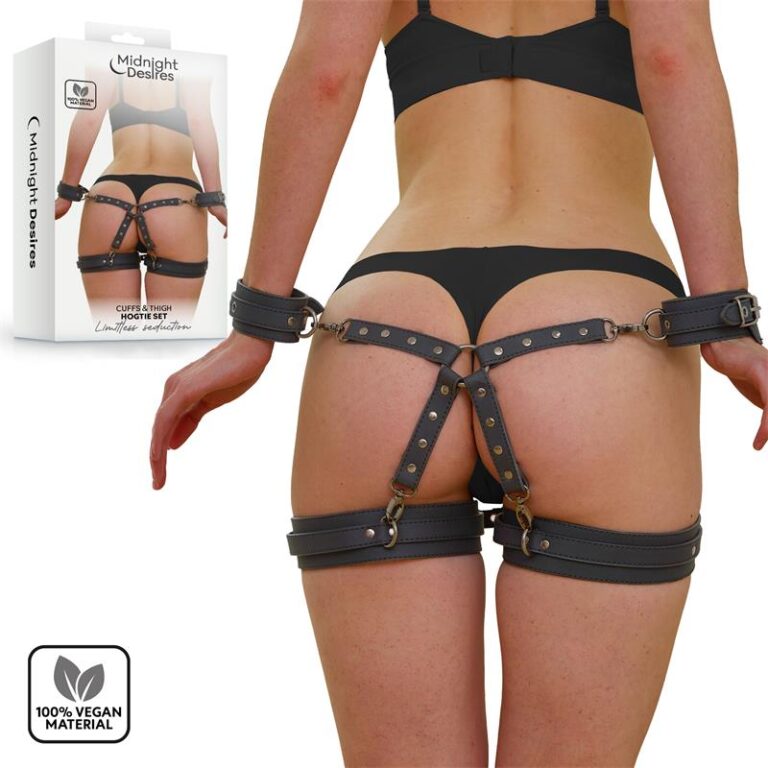
Cuffs and Thigh Hogtie Set
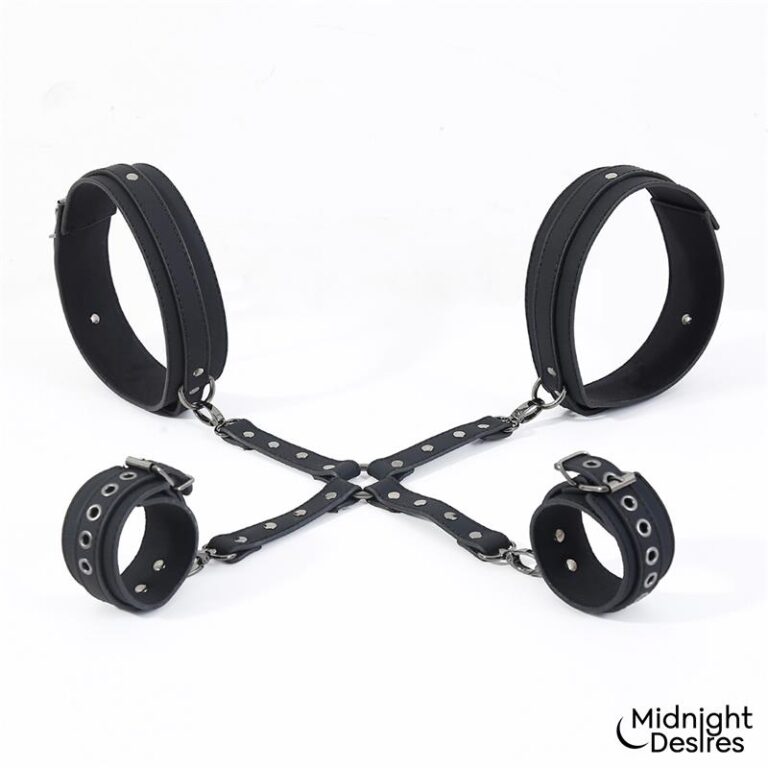
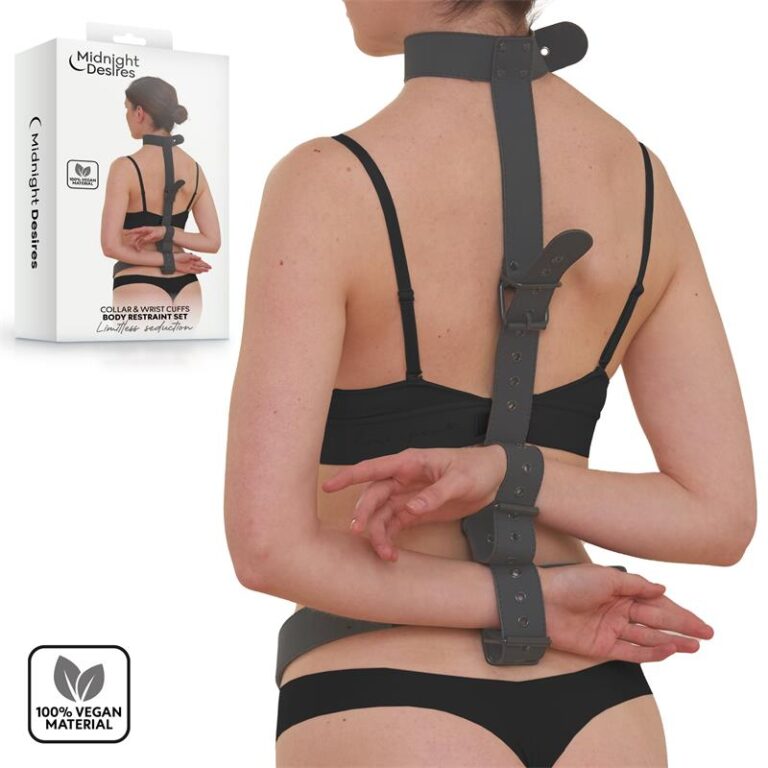
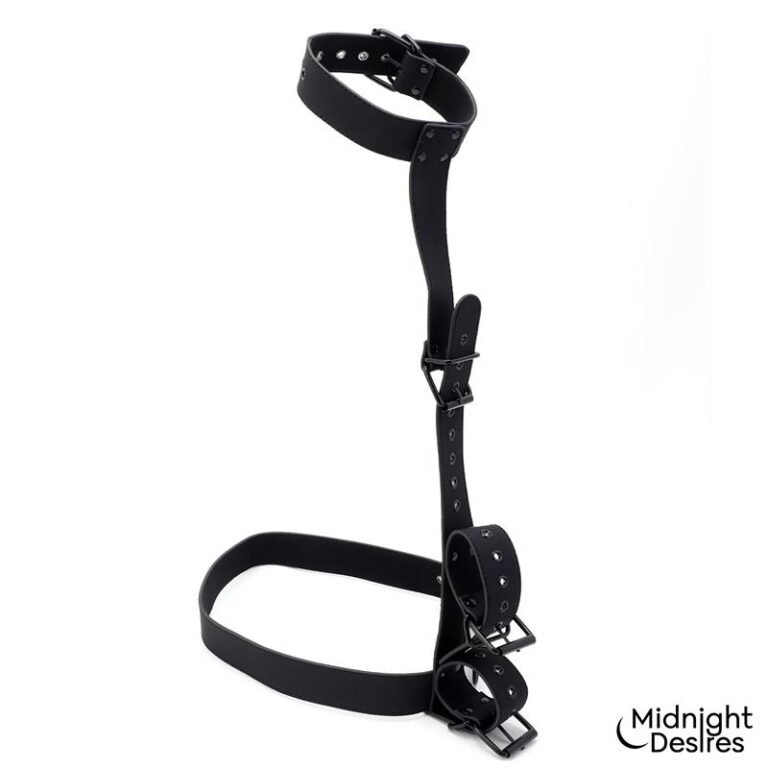
Collar and Wrist Cuffs Body Restraint Set
Leather Grades — Understanding The Hierarchy Of Durability
Not all leather is created equal. The quality and durability of BDSM gear are determined by which layer of the hide is used. Full-grain leather is the highest quality; it includes the entire thickness of the grain, including the natural surface marks of the animal. It is the strongest, most durable, and most resistant to stretching — making it the gold standard for suspension harnesses and heavy-duty restraints. Top-grain leather is the second-highest grade; the very top layer has been sanded to remove imperfections, resulting in a smoother, more uniform appearance. It is slightly thinner and more flexible than full-grain but still offers excellent strength and longevity for most BDSM applications.
Genuine leather (often a misleading term) and bonded leather are at the bottom of the hierarchy. Genuine leather is typically made from the lower layers of the hide (split leather) that have been heavily processed and embossed to look like higher-quality grain. It lacks the structural integrity of top-grain leather and is prone to stretching and cracking under load. Bonded leather is made from shredded leather scraps glued together and coated in polyurethane. It is unsuitable for BDSM restraints as it has almost no tensile strength and will fail unpredictably under tension. For safety-critical gear like handcuffs or harnesses, always verify that the product uses top-grain or full-grain leather to ensure the safety of the bound partner.
The Sensory Profile — Scent, Sound, and Temperature
Leather gear provides a multi-sensory experience that synthetic materials cannot replicate. Scent is perhaps the most immediate; the natural, earthy aroma of vegetable-tanned leather is a powerful psychological trigger for many practitioners, signaling the transition into a BDSM state of mind. Sound also plays a role; the specific "creak" of leather straps under tension provides auditory feedback to both partners about the intensity of the struggle and the security of the restraint. This auditory input can enhance the feeling of immersion in the scene, adding a layer of realism that silent synthetic materials lack.
Temperature conduction is another unique property of leather. When first applied, leather often feels cool against the skin, providing a brief moment of sensory contrast. However, as the session progresses, the leather absorbs and retains body heat, eventually reaching a temperature that matches the wearer's body. This transition from cool to warm is a subtle but significant part of the sensory journey. Furthermore, leather's natural breathability (compared to non-porous materials like latex or some plastics) allows for better moisture management during long sessions, reducing the risk of skin irritation from trapped sweat. These sensory details are why leather remains the preferred material for many experienced practitioners, despite the availability of modern, high-tech alternatives.
Frequently Asked Questions
1. How do I clean leather BDSM gear safely?
Leather is porous and should never be submerged in water or cleaned with harsh chemicals. After a session, wipe the gear down with a soft, slightly damp cloth to remove surface sweat and oils. For deeper cleaning, use a dedicated leather soap (saddle soap) applied with a damp sponge, then wipe away any residue with a clean cloth. If the gear has come into contact with body fluids, you can use a very mild antibacterial solution, but be sure to follow up immediately with a leather conditioner to restore the oils stripped by the cleaning agent. Always allow leather to air-dry completely in a cool, shaded area — never use a hair dryer or place it near a radiator, as extreme heat will cause the leather to shrink and crack.
2. Does leather gear require "breaking in"?
Yes, high-quality new leather can be quite stiff and may have sharp edges initially. "Breaking in" is the process of softening the leather through use and conditioning. You can speed this up by applying a leather conditioner and gently flexing the straps back and forth to loosen the fibres. Over time, the leather will naturally conform to your body's shape and become significantly more supple and comfortable. Many practitioners find that their oldest leather gear is their most comfortable, as it has been perfectly "moulded" by years of use. If a new piece of gear has a particularly sharp edge, you can gently rub it with a smooth object (like a wooden spoon) to burnish the edge and make it more comfortable against the skin.
3. Is leather gear safe for people with sensitive skin?
Generally yes, but with some precautions. Most leather is tanned using chromium salts, which can cause an allergic reaction in a small percentage of the population (contact dermatitis). If you have a known metal allergy, you may want to look for vegetable-tanned leather, which uses natural plant tannins instead of chrome. Additionally, the dyes used in leather can sometimes transfer to the skin when wet (crocking), which is harmless but can be irritating. For those with very sensitive skin, look for leather gear that is lined with a softer material like sheepskin, suede, or padded neoprene. This provides the aesthetic and strength of leather on the outside while maintaining a gentle, non-irritating surface against the skin.
4. How do I prevent my leather gear from smelling?
The natural scent of leather is often desirable, but it can develop an unpleasant odour if sweat and bacteria are allowed to build up in the pores. The key to prevention is proper ventilation and regular cleaning. Never store damp leather gear in a sealed plastic bag or a cramped drawer; instead, allow it to air-dry completely and store it in a breathable cotton bag or hang it in a well-ventilated area. If an odour does develop, you can use a leather-safe deodorizing spray or wipe the material with a very dilute solution of white vinegar and water (test on a small area first). Regular conditioning also helps by sealing the pores and preventing the absorption of excessive moisture.
5. Can leather restraints stretch over time?
Yes, all leather will stretch slightly under sustained tension — this is a natural property of the collagen fibres in the hide. However, the amount of stretch depends on the quality of the leather and the construction of the gear. Full-grain leather stretches very little, while lower-grade "genuine" leather can stretch significantly, potentially making the restraints loose enough for the bound partner to escape. Professional-grade gear often includes a non-stretch reinforcement layer (like nylon webbing) sandwiched between two layers of leather to eliminate this issue entirely. If you notice your leather gear is becoming loose, you may need to add additional holes to the straps or consider upgrading to reinforced gear if you practice high-intensity bondage.
6. What is the difference between leather and "vegan leather" in BDSM?
The primary differences are durability, sensory profile, and safety. "Vegan leather" is typically a plastic material (polyurethane or PVC) designed to look like leather. While it is easier to clean (it is non-porous and can be wiped with disinfectant) and more affordable, it lacks the tensile strength and longevity of real leather. Synthetic alternatives are prone to tearing under high load and do not "breathe," which can lead to more sweat and skin irritation during long sessions. Furthermore, synthetics do not have the natural scent or temperature-conducting properties of real leather. For decorative or light play, vegan leather is a perfectly functional choice — but for heavy-duty restraint or suspension, real high-quality leather is significantly safer and more durable.
7. How often should I condition my leather BDSM gear?
This depends on how often you use it and the environment in which it is stored. A general rule of thumb is to condition your leather gear every 3 to 6 months. If you use the gear frequently (weekly) or if you live in a very dry climate, you may need to condition it more often. You can tell if leather needs conditioning by its feel; if it starts to feel stiff, dry, or if you see fine cracks appearing on the surface, it is time for a treatment. Apply a small amount of leather conditioner to a clean cloth and rub it into the material in a circular motion, then allow it to absorb for several hours before wiping away any excess. Regular conditioning is the single most important factor in ensuring your gear lasts for a lifetime.
8. Is leather gear suitable for use in water?
No. Water is the enemy of leather. When leather gets wet, the water molecules bind to the natural oils in the fibres; as the water evaporates, it takes those oils with it, leaving the leather dry, brittle, and prone to cracking. If your leather gear does get wet, do not panic — wipe away the excess water immediately and allow it to air-dry slowly. Once dry, you MUST apply a generous amount of leather conditioner to replace the lost oils. For play involving water, lubricants, or other fluids, synthetic materials like silicone, neoprene, or Biothane (a coated webbing that looks like leather but is waterproof) are much better choices.
9. What is the difference between chrome-tanned and vegetable-tanned leather?
Chrome tanning is a modern industrial process that uses chromium salts to tan the hide in a matter of days. It results in leather that is soft, flexible, and available in a wide range of vibrant colours. Most fashion leather and many BDSM products are chrome-tanned. Vegetable tanning is a traditional process that uses natural plant tannins (from tree bark and leaves) and can take several months. It results in a firmer, thicker leather that is exceptionally durable and develops a beautiful patina over time. Vegetable-tanned leather is often preferred for heavy-duty restraints and harnesses due to its superior strength and non-stretch properties, though it is typically more expensive and requires more "breaking in" than chrome-tanned alternatives.
10. How do I store my leather gear to keep it in top condition?
Proper storage is essential for longevity. Never store leather in plastic bags or airtight containers, as this can trap moisture and lead to mould or mildew. Instead, store your gear in breathable cotton or muslin bags, or hang it on a padded hanger in a cool, dry closet. Avoid direct sunlight, as UV rays will fade the colour and dry out the fibres. If you are storing multiple pieces of leather together, ensure they are not pressed too tightly against each other, as the dyes can sometimes transfer between items. Finally, try to store restraints in a "relaxed" position (unbuckled and flat) to prevent permanent creases or stress points from forming in the material over time.
Our Product & Trust Standards
Products curated within this category are evaluated within erotica-shop.eu’s framework for material considerations, product integrity, editorial standards, and customer privacy.