Product categories
- Women
- Men
- Couples
- Fetish
- Lingerie
- Funny sextoys
- Offers
Filter by price
🛡️ BODY-SAFE PRODUCTS
🔒 SECURE PAYMENT
📦 DISCREET SHIPPING
Remote Control Vibrators For Couples – Transferring Stimulation Authority
The purpose of a remote control in a couples context is not distance. It is transfer of agency. When you control your own vibrator, your brain knows what is coming — it anticipates the next intensity change, the next pattern shift, the next escalation. This anticipation reduces the neurological surprise response that contributes to arousal intensity. When a partner controls the vibrator, the wearer cannot predict what happens next. Each intensity change arrives without warning. Each pattern shift is a surprise. This unpredictability engages the nervous system differently — many users report that identical vibration patterns feel more intense when controlled by someone else than when self-administered. The remote control transforms a vibrator from a self-stimulation tool into a shared experience where one partner gives and the other receives — a power dynamic (the consensual transfer of control from one person to another) that adds a psychological dimension to the physical stimulation.
Three wireless technologies serve this purpose, each with different characteristics. Dedicated RF remotes (Radio Frequency — typically operating on the 2.4GHz band) use a small physical remote control that communicates directly with the vibrator. Range is typically 5-15 metres depending on environment and obstacles. The remote is simple (usually a few buttons for intensity up/down and pattern selection), requires no phone, no app, no internet — it works immediately out of the box. This simplicity makes RF remotes ideal for in-person use: date nights, bedroom play, or any situation where pulling out a phone would break the mood. The controlling partner holds a small, discreet remote — often small enough to conceal in a closed hand — and operates it without the wearer seeing what they are doing.
Bluetooth Low Energy (BLE — a power-efficient wireless protocol designed for short-range device communication) connects the vibrator to a smartphone app. Range is typically 10-15 metres in open space, though walls and bodies can reduce this. The app provides significantly more control than a physical remote: precise intensity sliders, custom pattern creation, music synchronisation, and in some cases video chat integration. The trade-off is complexity — it requires a charged phone, an installed app, and a successful Bluetooth connection before play begins. For couples who value granular control and customisation: BLE app control offers the most sophisticated experience. For couples who prefer spontaneity without setup: the additional steps can feel like friction rather than enhancement.
Internet-connected (cloud relay) systems extend control to any distance — one partner can control the device from another city or country through the app’s cloud server. This is the primary technology for long-distance couples maintaining physical intimacy across separation. Latency (the delay between the controlling partner’s input and the device’s response) is typically 1-3 seconds depending on internet quality — noticeable but generally acceptable for most couples. For the full range of couples vibrator designs, Couples Vibrators provides the category overview. For the most established app ecosystem, We-Vibe covers the pioneering brand. For external-only wearable options, Wearable Vibrators For Couples covers non-insertable designs. The parent Couples section covers all shared-experience products.
Showing 1–36 of 130 resultsSorted by popularity
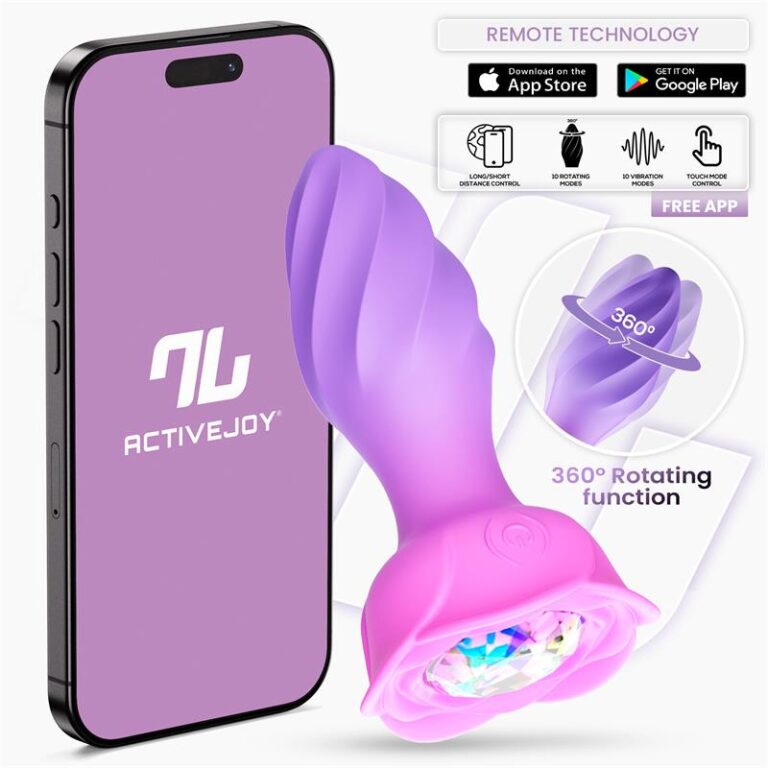
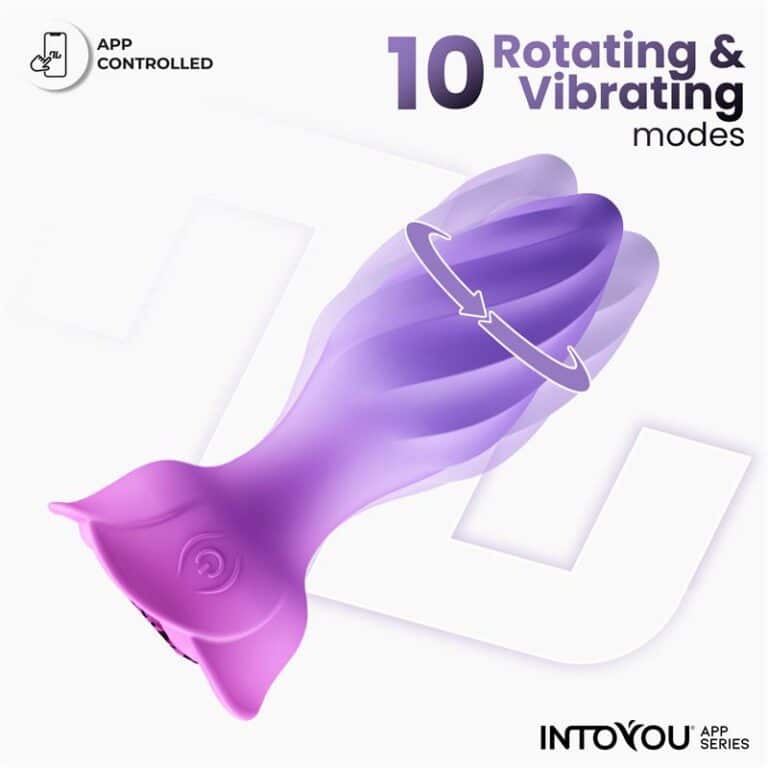
Moxy Butt Plug with Rotation 360º with App
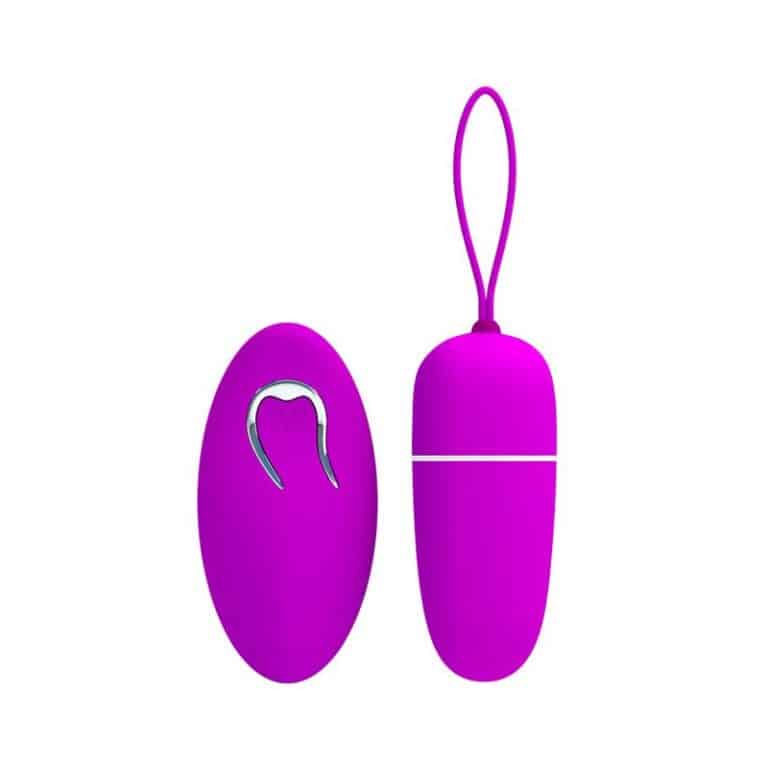
Pretty Love Vibrating Egg Bradley Purple
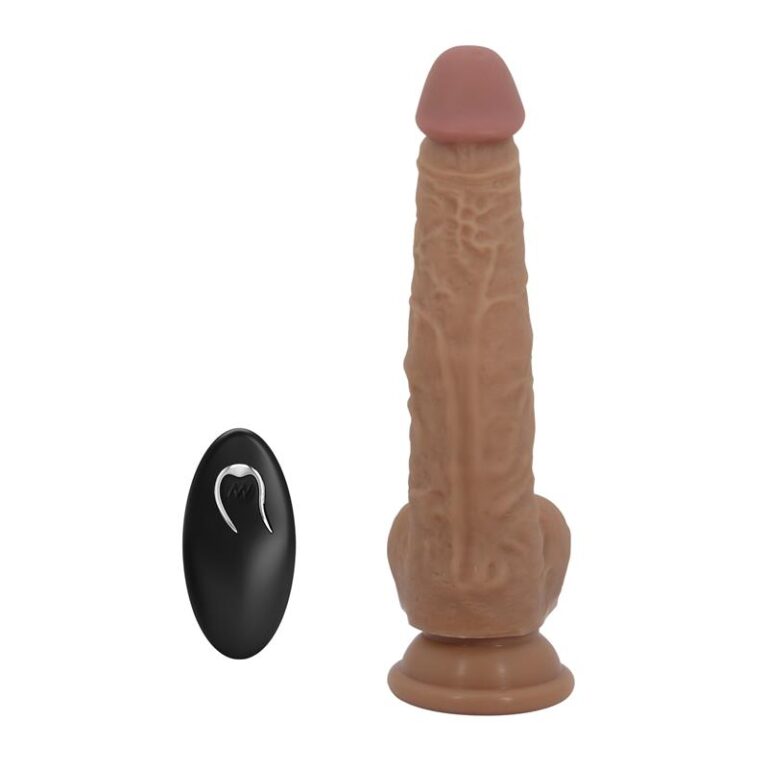
Cesur 3.0 Realistic Dildo Vibrating, Wavy, 360º and Up-and-Down Movement Remote Control USB
Anal Plug Black with Remote Control
Anal Plug Bubbles Vibrator Black withRemote Control
Licky Licking Tongue Vibrator with App
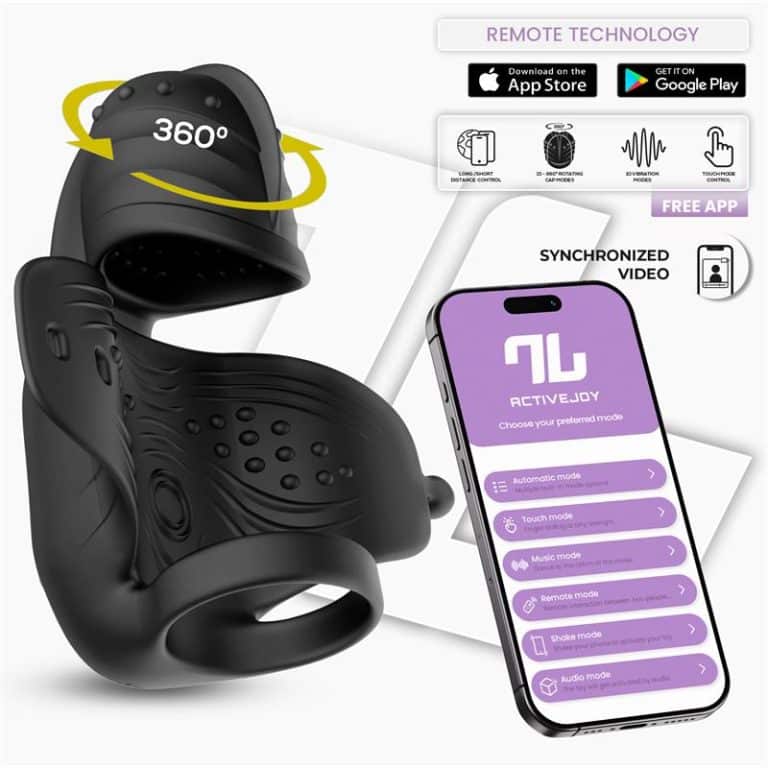
Zonte Rotating Cap Vibrating Masturbator with App
Franky Biting and Rotating Ball Vibrator with App
Ringo Vibrating Ring with App Unibody Black
Laia Heated Finger Vibrator and App Pink
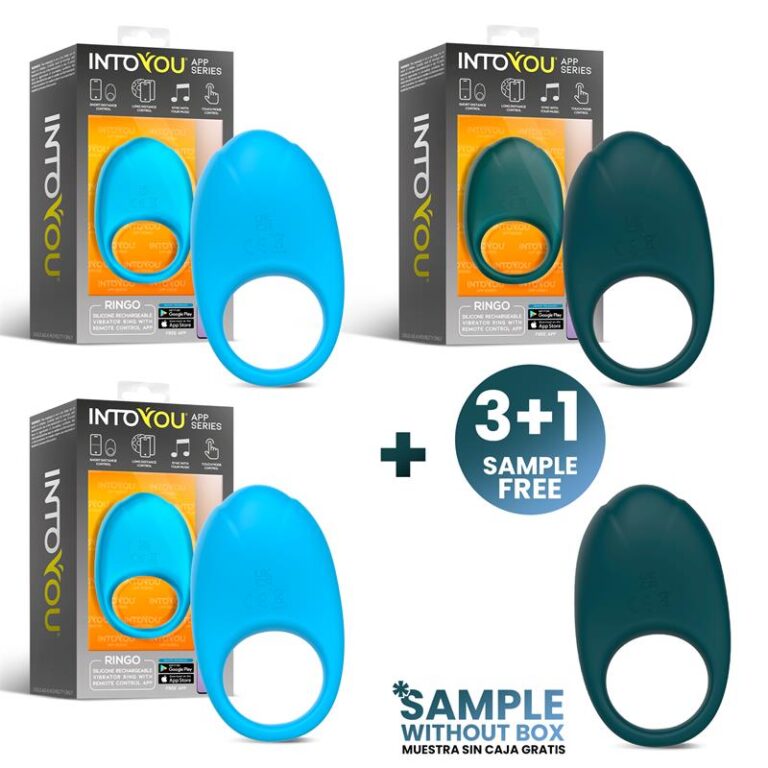
Pack Ringo Silicone Vibrating Ring with App
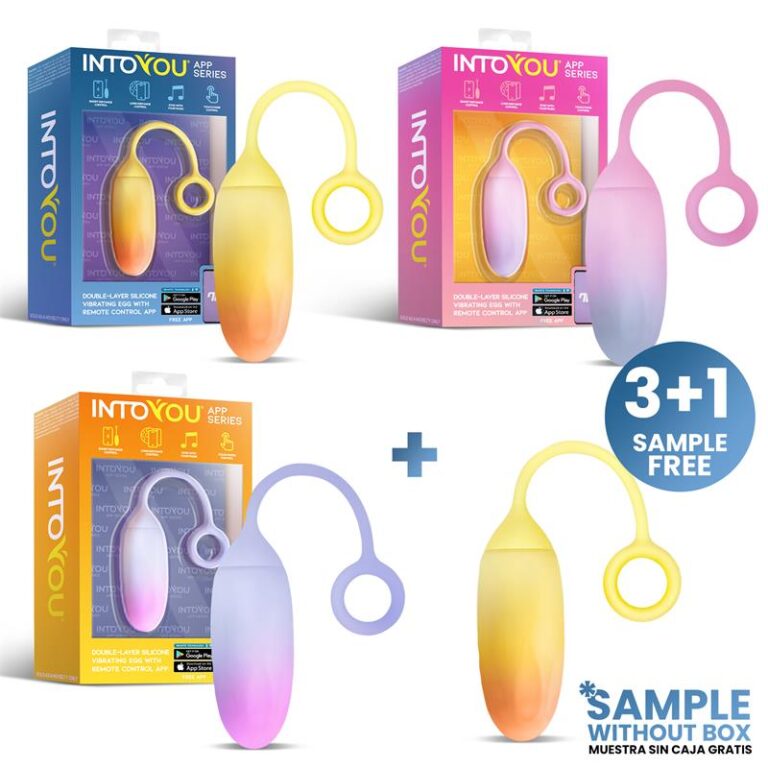
Pack Assorted 3 + Sample Double Layer Egg with APP
Kenny Penis Ring with Clitoris Stimulator and APP Night Blue
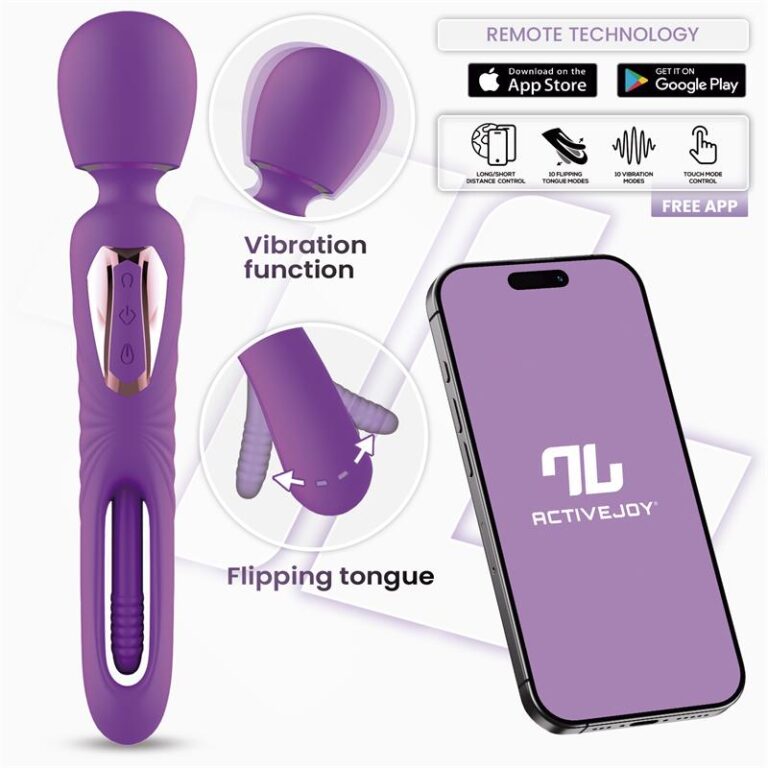
Salma Wand with Flipping Tongue and Vibration with App
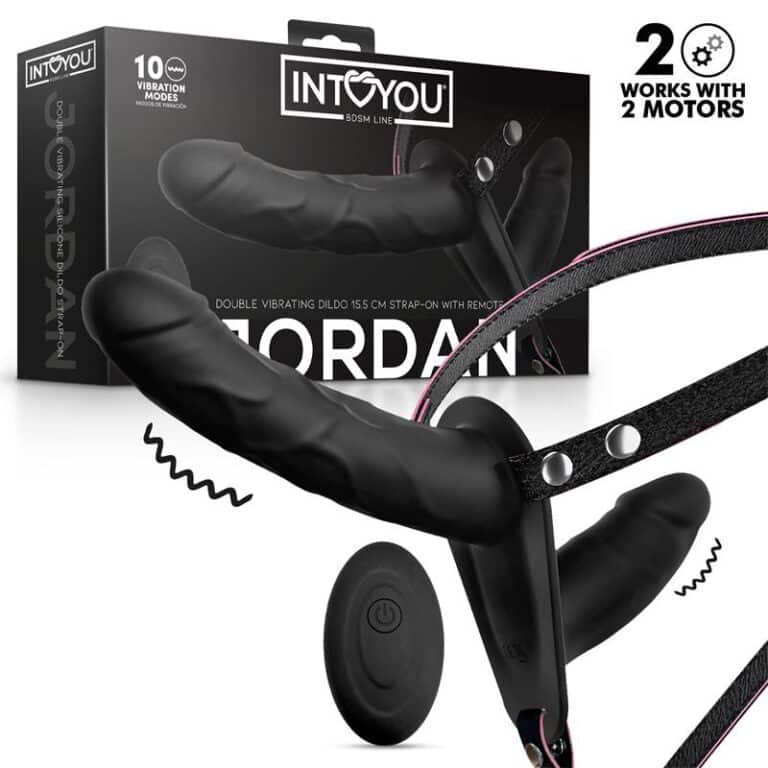
Jordan Strap-on with Double Vibrating Dildo and Remote
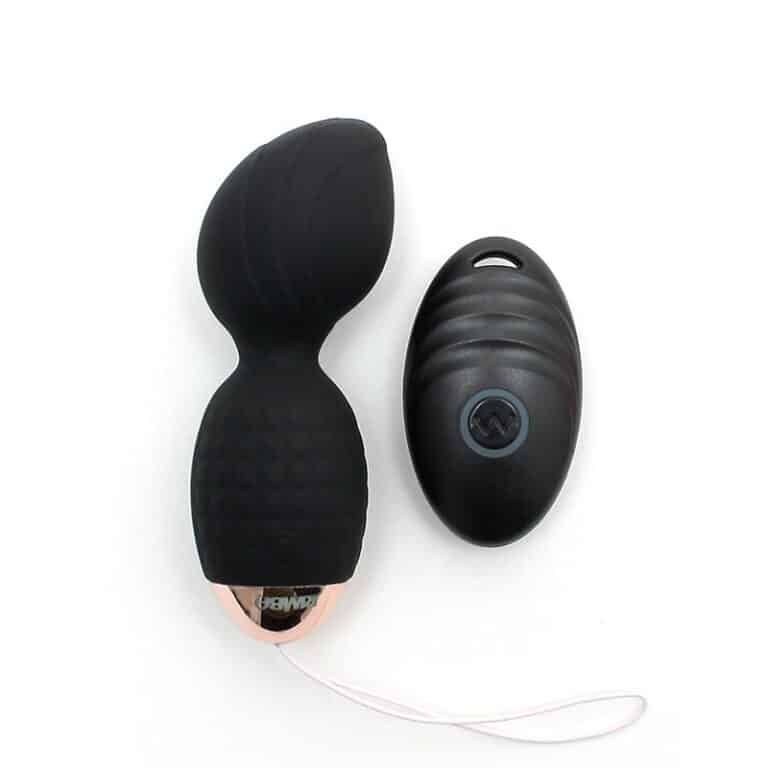
Vibrating Kegel Balls with Remote Control Athens Black
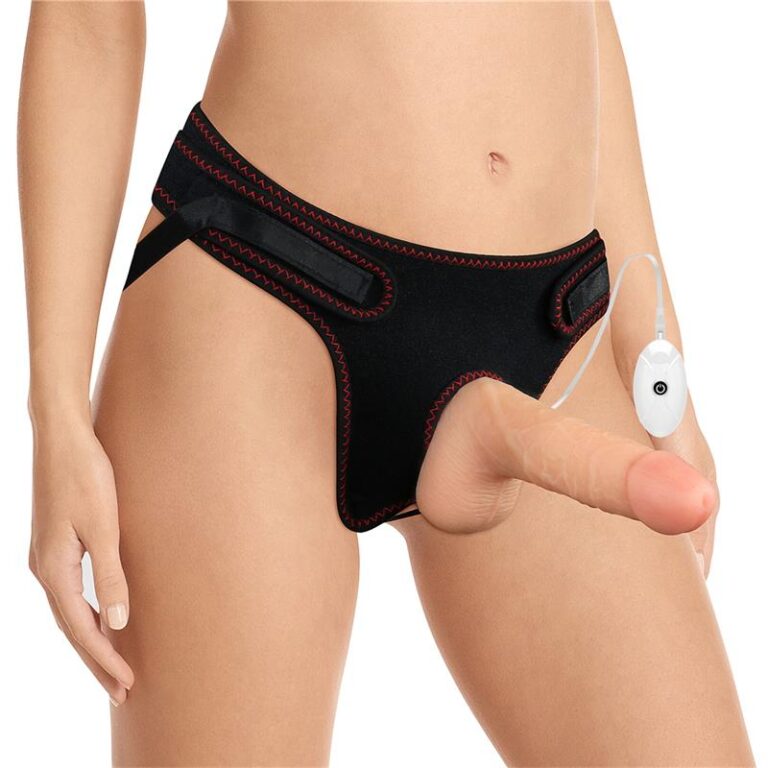
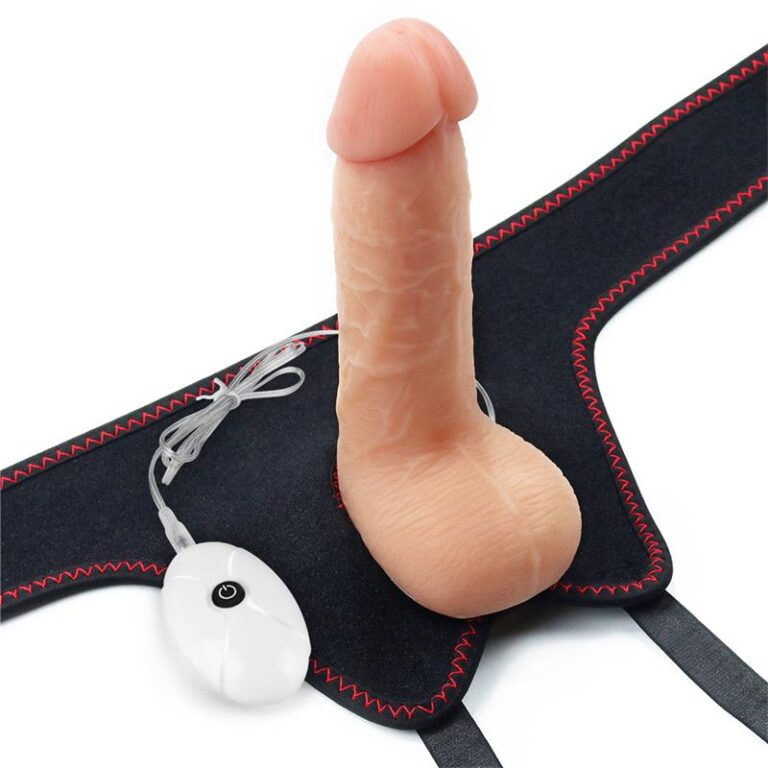
Strap-on with Vibrating Dildo and Remote Control 7.0
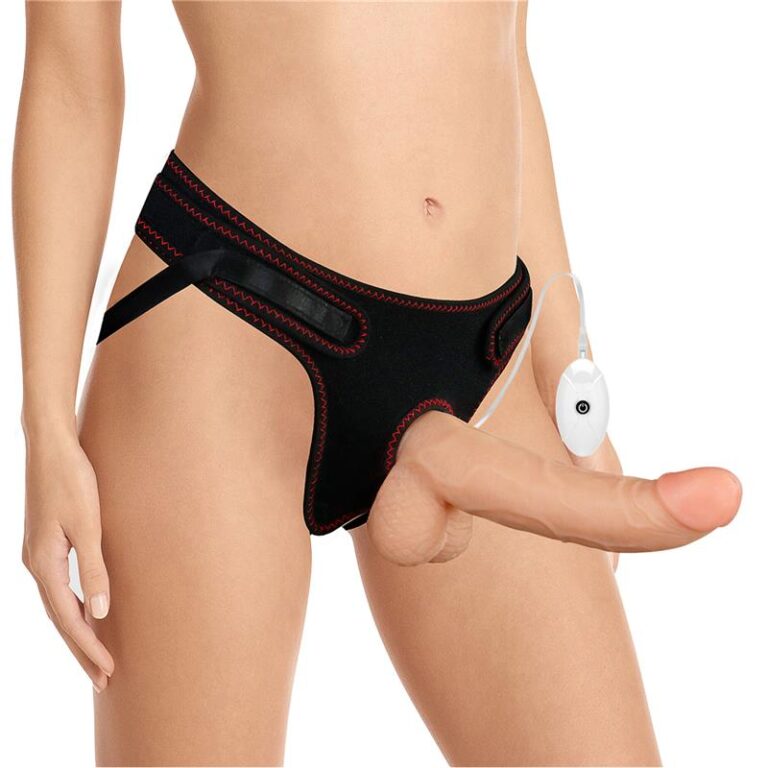
Strap-on with Vibrating Dildo and Remote Control 8.5
Catoblepas Vibrating Dildo with Remote 8.1
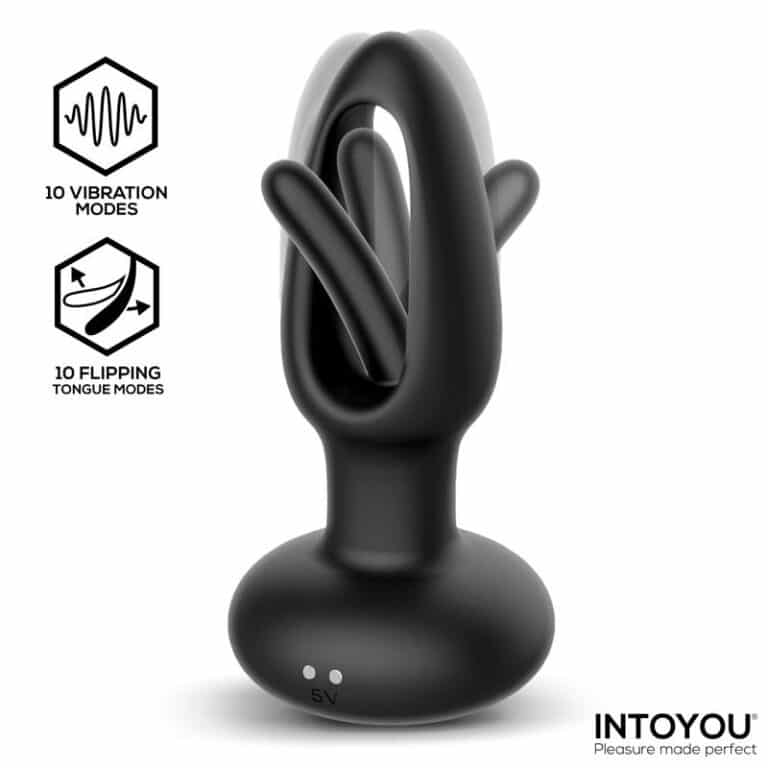
Sasha Vibrating Plug with Flipping Tongue and Remote Control
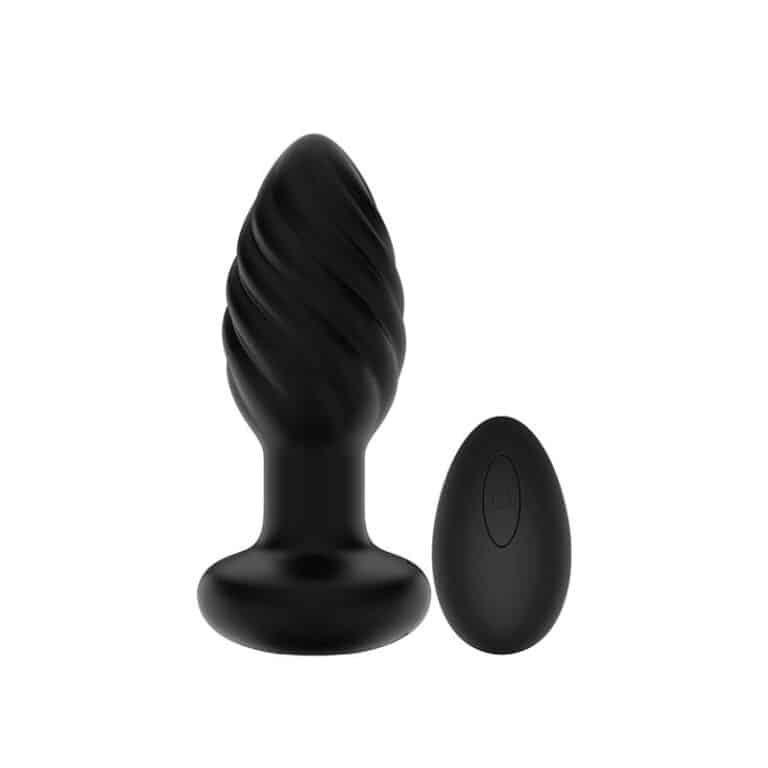
Spiral Mellow Butt Plug with Vibration and Remote
Spiral Butt Plug with Vibration and Remote
Wild Butterfly Panty Vibrator with Remote Control
Jonathan Dildo with Vibration and Thrusting with Remote Control
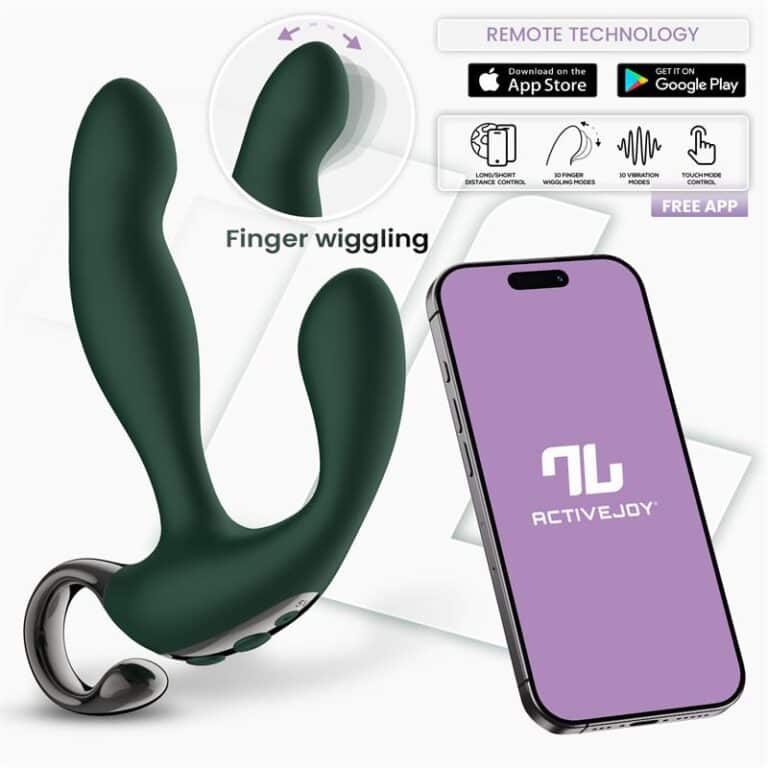
Greeny Prostate Massager with Finger Wiggling and App
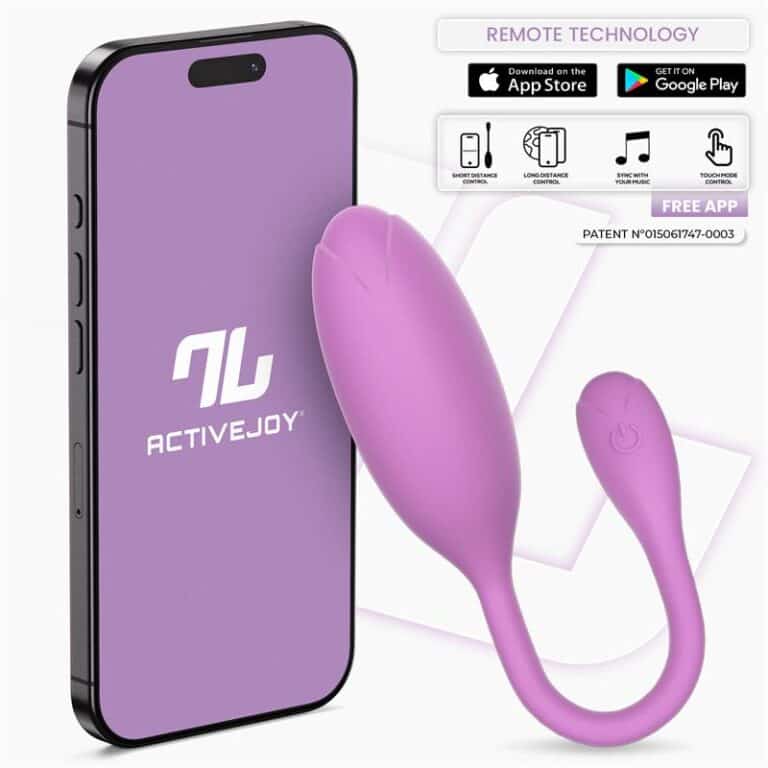
Logan Vibrating Egg with App Unibody Silicone Purple
Tayron Vibrating Prostate Massager with Remote Control
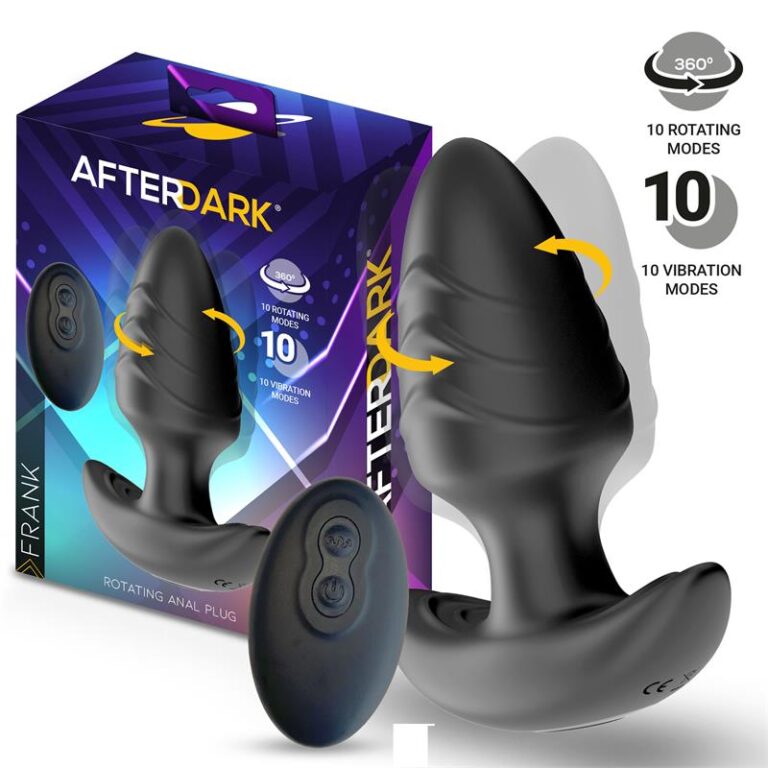
Frank 360º Rotating and vibrating Anal Plug with Remote Control
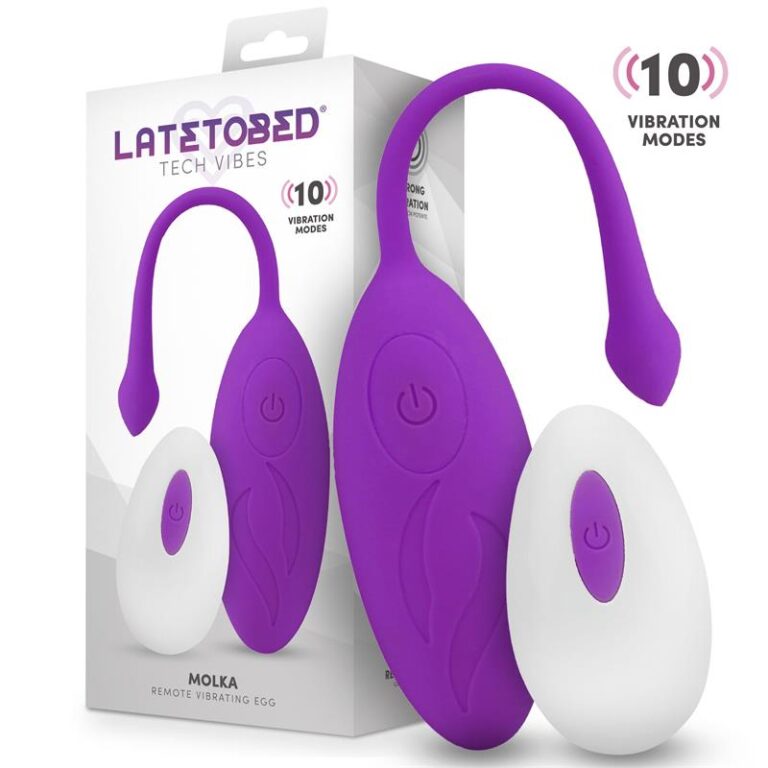
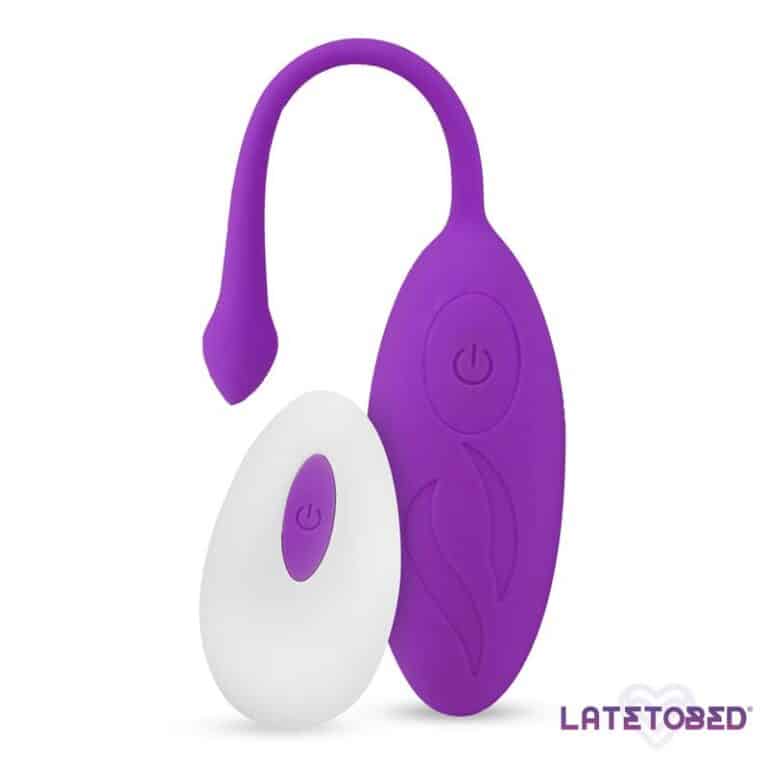
Molka Vibrating Egg with Remote Control
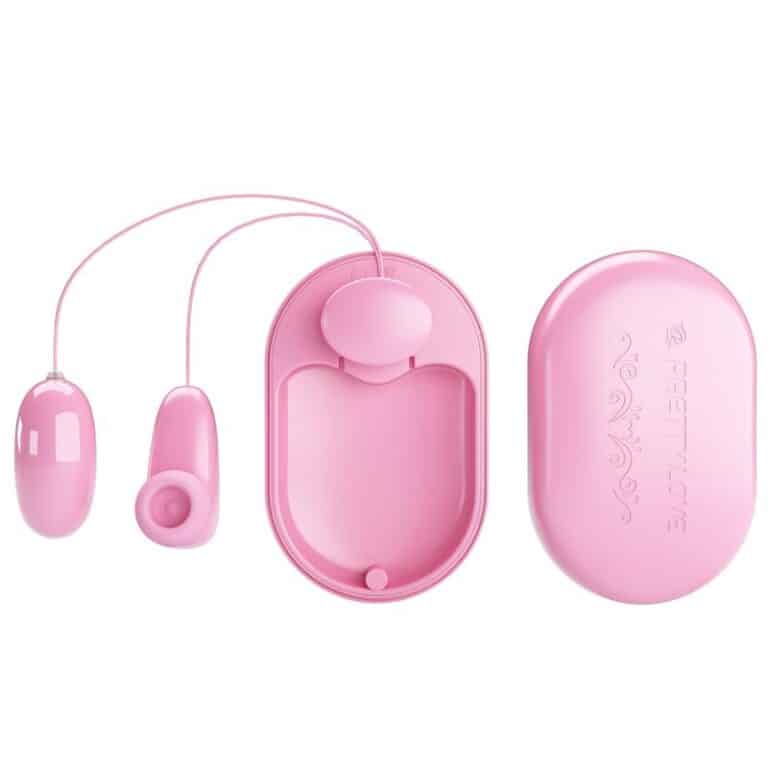
Pretty Love Remote Control Vibe Fancy Clamshell Pink
Sliding Skin Vibrating Dildo with Remote Control 24 cm
Magic Box Vibrating Egg and Tapping Stimulator
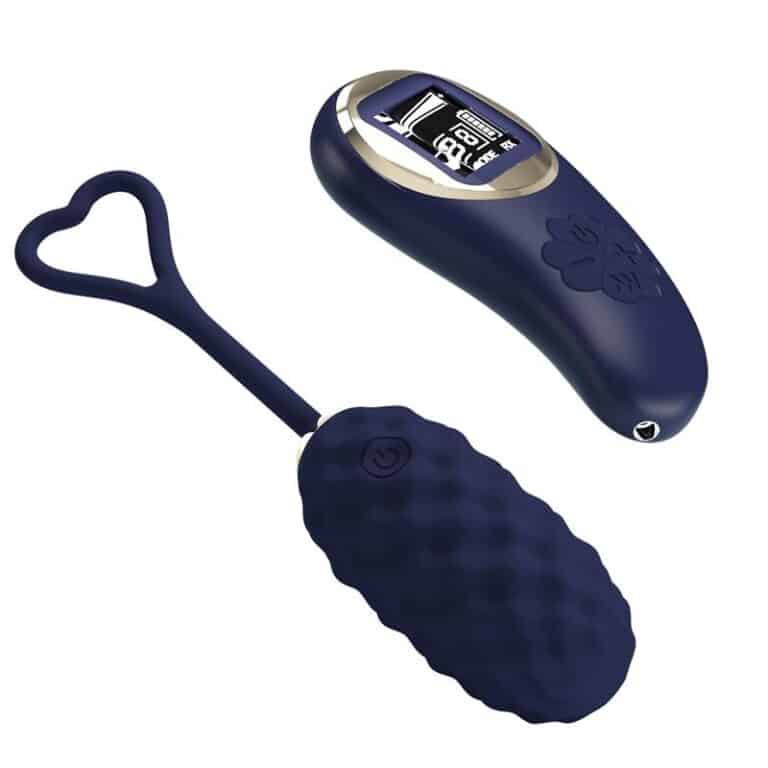
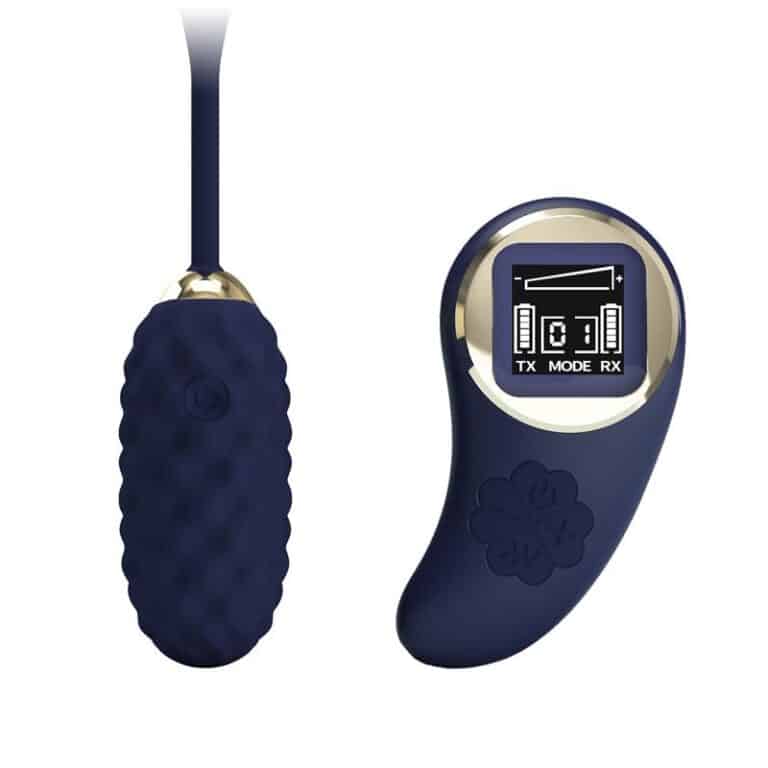
Vivian Vibrating Egg with Digital Screen Remote Control Blue
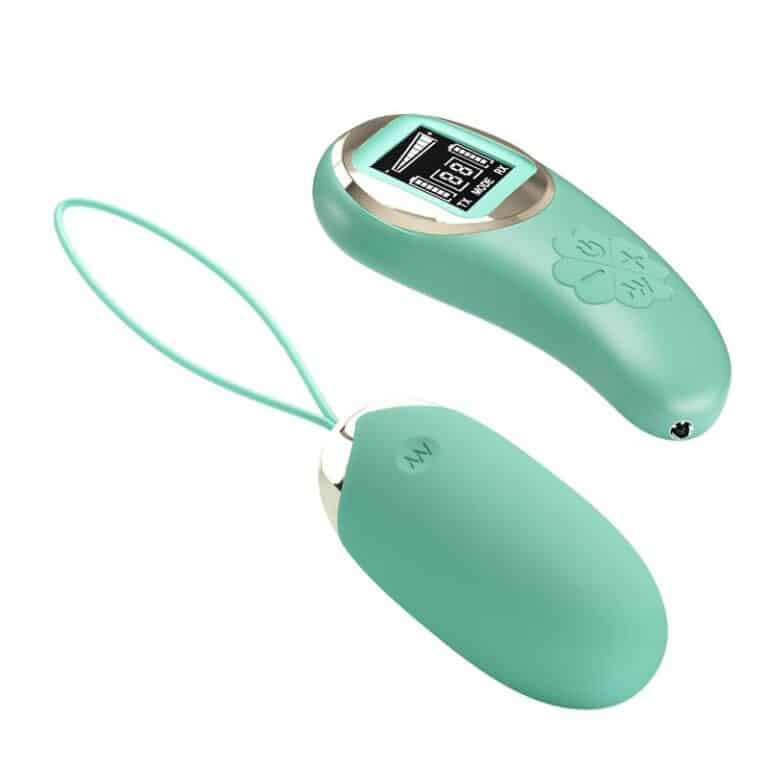
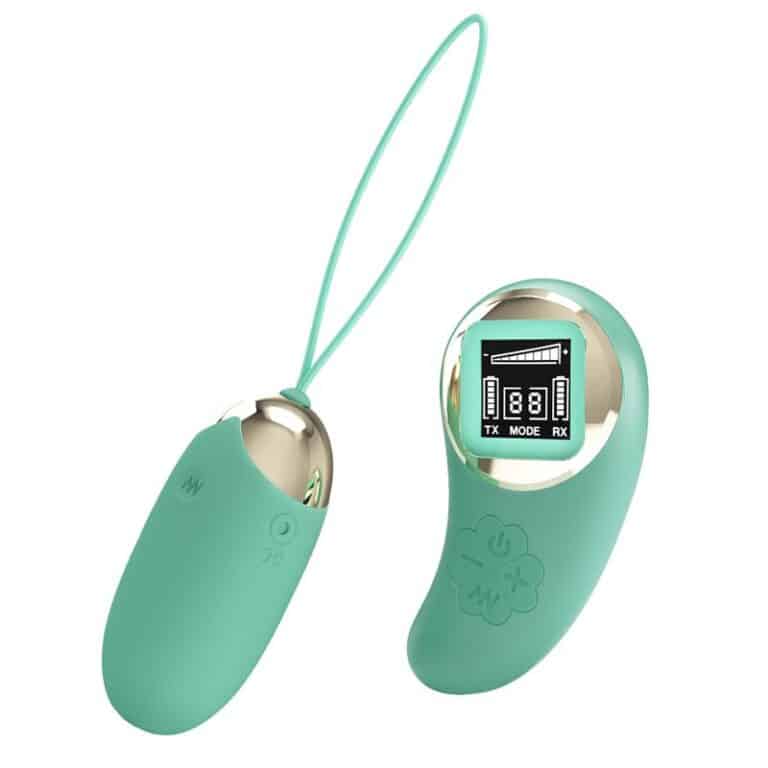
Mina Vibrating Egg with Digital Screen remote control green
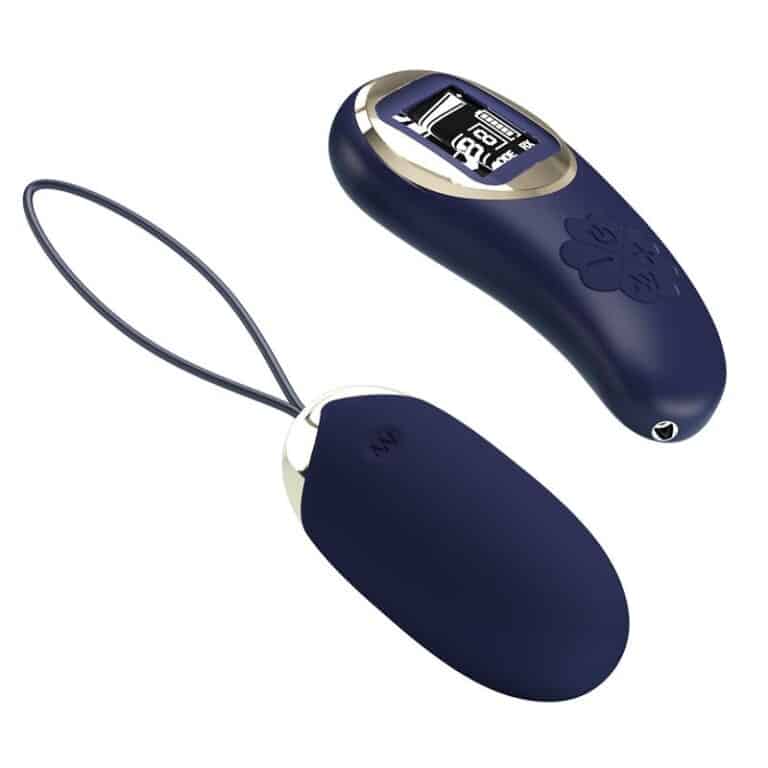
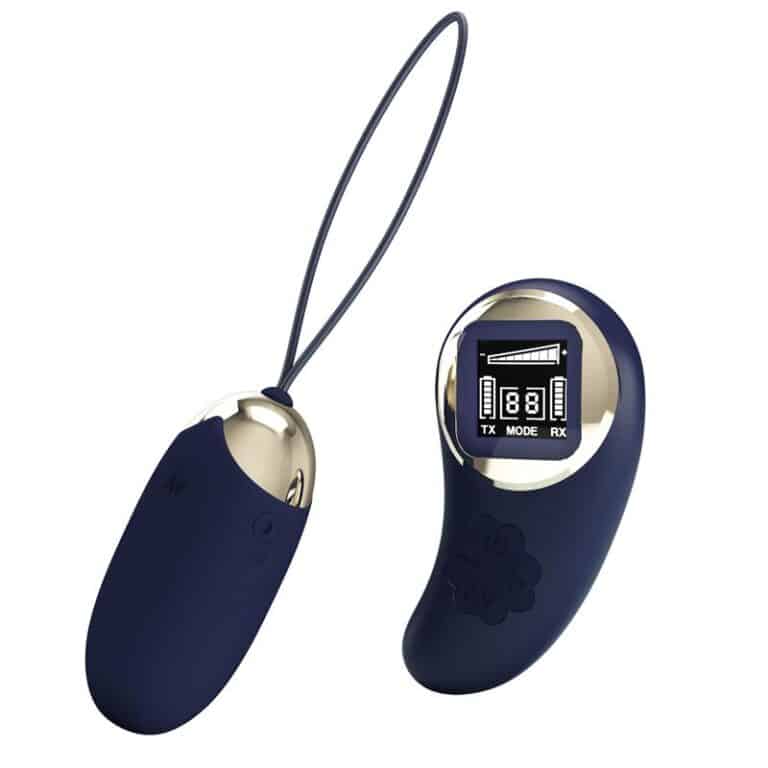
Mina Vibrating Egg with Digital Screem Remote control Blue
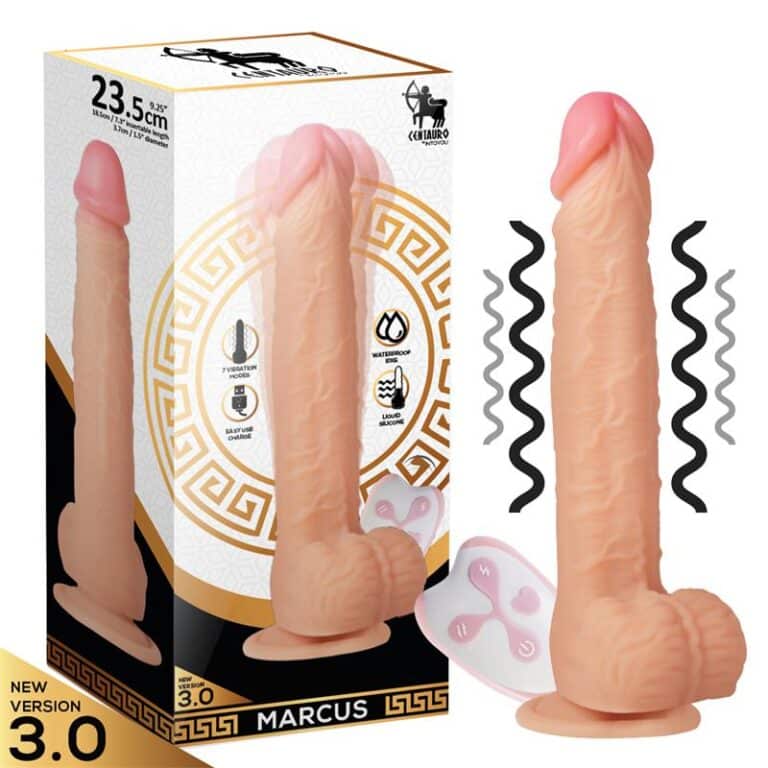
Marcus Realistic Vibrating Dildo with Remote
The Psychology Of Surrendered Control — Why Partner Operation Feels Different
When you control your own stimulation, your brain operates in a dual mode: simultaneously processing the sensation AND planning the next input. This divided attention reduces the cognitive resources available for pure sensation processing. When a partner controls the stimulation, the wearer's brain can dedicate its full processing capacity to receiving sensation — there is nothing to plan, nothing to decide, nothing to execute. Many users describe this as "being able to let go completely" — a state where the absence of decision-making responsibility allows deeper immersion in the physical experience. This is not a universal response (some people find surrendered control anxiety-inducing rather than relaxing), but for those who respond positively to it, partner-controlled vibration can feel subjectively more intense than identical self-controlled stimulation.
The element of surprise is neurologically significant. The brain's reward system responds more strongly to unpredictable positive stimuli than to predictable ones — a phenomenon well-documented in neuroscience research. When you control your own vibrator, every change is predicted (you decided to make it). When a partner controls it, every change is a surprise — and each surprise triggers a small dopamine response (the brain's reward chemical) that predicted stimulation does not. Over a session, these accumulated surprise responses can build arousal more effectively than steady, self-directed stimulation. This is why many couples report that remote-controlled sessions feel more exciting than solo sessions with the same device at the same settings — the device is identical, but the psychological context transforms the experience.
Use Scenarios — In-Person, Same-Room, And Long-Distance
In-person bedroom use represents the simplest scenario: both partners are together, one wears the device, the other holds the remote or phone. The controlling partner can read their partner's physical responses in real time — adjusting intensity based on breathing, movement, vocalisations, and body language. This real-time feedback loop allows the controlling partner to edge (bring close to orgasm then reduce intensity), tease (unpredictable low-intensity pulses), or build (gradually increasing intensity toward climax) — all guided by their partner's visible responses. The wearer communicates through their body rather than words — creating an intimate feedback system that many couples find deepens connection beyond what verbal communication alone provides.
Long-distance use transforms the dynamic entirely. Without visual or physical proximity: the controlling partner operates without real-time body language feedback (unless video chat is active). Communication becomes more explicit — the wearer may need to verbalise their responses ("more," "slower," "right there") rather than relying on the partner reading their body. Video chat restores some of the visual feedback — the controlling partner can see their partner's face and upper body, adjusting stimulation based on visible responses. Audio-only (phone call) provides vocal feedback without visual — the controlling partner listens to breathing patterns and vocalisations to guide their input. Each communication mode creates a different experience: video feels most intimate, audio feels most imaginative, and text-only (messaging while controlling) feels most teasing and suspenseful. Many long-distance couples experiment with all three to find their preferred mode.
Frequently Asked Questions
1. What is the range of a remote control vibrator?
Range depends on the wireless technology. Dedicated RF remotes: typically 5-15 metres in open space, reduced by walls, furniture, and bodies between the remote and device. Bluetooth (BLE): typically 10-15 metres in open space, similarly reduced by obstacles. Internet-connected (app with cloud relay): unlimited range — anywhere with internet access. For in-room use: both RF and Bluetooth provide adequate range for any normal room size. For use across rooms in a house: Bluetooth may struggle through multiple walls; RF typically performs slightly better through obstacles. For restaurant or public use: both RF and Bluetooth work within the same table or nearby seating. For different cities or countries: only internet-connected devices support this — RF and Bluetooth are limited to physical proximity.
2. Is there a delay between pressing the remote and feeling the vibration change?
For RF remotes and Bluetooth in-room: latency is typically imperceptible — under 100 milliseconds (faster than human reaction time). The change feels essentially instantaneous. For internet-connected long-distance control: latency is typically 1-3 seconds depending on both partners' internet quality and the app's server routing. This delay is noticeable but most couples adapt quickly — the controlling partner learns to "lead" slightly, and the wearer experiences each change as a pleasant surprise rather than an immediate response to a visible action. If latency exceeds 3-5 seconds consistently: check internet connection quality on both ends, close other bandwidth-heavy applications, or switch to a WiFi connection rather than mobile data.
3. Can the remote accidentally activate in public?
Physical RF remotes: possible if the buttons are pressed accidentally in a pocket or bag. Many remotes include a lock function (holding a button for several seconds) that prevents accidental activation. Choose remotes with recessed buttons or lock features for public carry. App-controlled devices: accidental activation is less likely because the app typically requires deliberate interaction (opening the app, connecting to the device, then adjusting controls) — a sequence unlikely to happen accidentally. However: if the app is already open and connected, an accidental screen touch could change settings. Most apps include a "lock" or "pause" function for situations where the phone might be touched accidentally. The device itself often has a physical button that can turn it off immediately regardless of remote/app status — providing a fail-safe for the wearer.
4. What happens if the connection drops during use?
Most devices are designed to continue at their last setting if the wireless connection drops — they do not stop abruptly. The vibrator maintains whatever intensity and pattern it was running when the connection was lost. The wearer can then: use the device's physical button to adjust or stop manually, wait for the connection to re-establish (often automatic within seconds for Bluetooth), or manually reconnect through the app. This fail-safe design prevents the frustrating scenario of stimulation cutting out at a critical moment. Some devices default to off when connection drops (a safety-first approach) — check the specific product's behaviour in its documentation if this matters to your use case.
5. Can someone else intercept or hack the remote signal?
The risk is extremely low for modern devices. Bluetooth connections are encrypted and paired to specific devices — a random person cannot connect to your vibrator without the pairing code. App-based connections use end-to-end encryption through the manufacturer's servers. Dedicated RF remotes use factory-paired frequencies — each remote communicates only with its matched device. The theoretical risk of interception exists (as with any wireless technology) but requires deliberate, targeted effort with specialised equipment — not something that occurs accidentally or casually. For maximum security: use Bluetooth-only mode (no cloud connection) when both partners are in the same room, keep device firmware updated, and use apps from established brands with documented security practices.
6. Should I choose an RF remote or an app-controlled device?
Choose RF remote if: you value simplicity (no phone needed, no app, no Bluetooth pairing), you want instant operation without setup, you prefer a discreet physical remote that fits in a hand or pocket, or you use the device primarily for in-person play within the same room. Choose app control if: you want granular intensity adjustment (sliders rather than preset levels), custom pattern creation, music synchronisation, long-distance capability, or integration with other smart devices. Some devices offer both — a physical button on the device plus app connectivity — providing flexibility to use whichever control method suits the moment. For couples who use the device in multiple contexts (bedroom, public, long-distance): app control provides the most versatility across all scenarios.
7. How discreet are remote control vibrators for public wear?
Discretion depends on three factors: noise level, physical visibility, and the wearer's ability to maintain composure. Noise: quality devices at low-to-medium settings typically operate below 40 dB — inaudible in environments with normal ambient noise (restaurants, bars, outdoor settings). In very quiet environments (libraries, waiting rooms): even quiet devices may be faintly audible to someone sitting very close. Physical visibility: wearable designs (panty vibrators, contoured external devices) are invisible under clothing. Composure: this is the variable the device cannot control — the wearer's physical responses to stimulation (flushing, breathing changes, involuntary movement) may be noticeable to observant people nearby. Many couples start with very low intensity in public settings and increase gradually as the wearer becomes more practised at maintaining composure.
8. Can I use a remote control vibrator during penetrative sex?
Yes — many remote control vibrators are specifically designed for wear during penetration. Wearable couples vibrators (C-shaped, external panty-style, or contoured designs) maintain clitoral stimulation while the partner penetrates. The remote allows the penetrating partner to adjust vibration intensity without stopping or reaching for the device — they can increase intensity as arousal builds, reduce it to edge, or change patterns to prevent adaptation. This hands-free control during sex is one of the primary use cases: the penetrating partner focuses on their own movement and rhythm while simultaneously controlling their partner's clitoral stimulation through the remote — coordinating both partners' experience without either needing to multitask manually.
9. Do I need WiFi for remote control to work?
For in-room use: no. RF remotes use their own radio signal — no WiFi, no internet, no phone required. Bluetooth connections communicate directly between the phone and device — no internet needed. For long-distance control: yes — both partners need internet access (WiFi or mobile data) because the control signal routes through the manufacturer's cloud server to bridge the distance. The quality of the internet connection affects latency: stable WiFi typically provides lower latency than mobile data. If internet drops during a long-distance session: the device continues at its last setting until connection re-establishes. For travel or locations with unreliable internet: RF remotes and Bluetooth provide reliable in-person control regardless of internet availability.
10. What if my partner is too rough or intense with the remote control?
Communication is essential — and should be established before play begins. Agree on a system: a safe word or signal that means "reduce intensity immediately" or "stop." Many couples use a traffic light system: green (more/continue), amber (hold this level/slow down), red (stop immediately). The wearer should always have access to the device's physical button as a fail-safe — allowing them to turn it off instantly regardless of what the controlling partner does with the remote. If overstimulation is a recurring issue: set a maximum intensity limit before the session (many apps allow this), start sessions at low intensity and build gradually, and discuss afterwards what felt good versus overwhelming. The controlling partner is responsible for reading their partner's responses — but the wearer is responsible for communicating clearly when limits are approached.
Our Product & Trust Standards
Products curated within this category are evaluated within erotica-shop.eu’s framework for material considerations, product integrity, editorial standards, and customer privacy.