🚚 FAST EU DELIVERY
🛡️ BODY-SAFE PRODUCTS
🔒 SECURE PAYMENT
📦 DISCREET SHIPPING

Anal Lubricants – Compensating For A Canal That Produces No Moisture

The rectum produces no natural lubrication. None. The vaginal canal generates transudate during arousal; the mouth produces saliva continuously; the rectum produces nothing that reduces friction between its inner lining and a penetrating object. This is not a variable — it is a biological constant. Anal lubricant is therefore not a comfort enhancement (as it often is for vaginal sex, where the body provides some baseline moisture). It is a physiological necessity — the only barrier between delicate rectal mucosa (a tissue layer significantly thinner and more fragile than vaginal epithelium) and direct mechanical friction that can cause micro-tears, irritation, and potential infection pathways. Every anal lubricant formulation must solve a problem that vaginal lubricants do not face: it must provide ALL friction reduction for the entire session without any biological supplementation.

This zero-supplementation requirement drives three formulation differences between anal lubricants and general-purpose products. First: higher viscosity. Anal lubricants are typically thicker (gel consistency rather than liquid) because they must stay in place on vertical and inverted surfaces rather than dripping away from the application site — and because thicker formulations provide more cushioning between the penetrating object and the rectal wall. Second: longer lasting. Because there is no natural moisture to supplement the lubricant, it must maintain its friction-reducing properties for the entire duration of activity — any period where the lubricant fails means direct tissue-on-tissue contact. Third: positional stability. The lubricant must remain at the point of contact (the anal opening and the first 10-15cm of the rectal canal) rather than migrating deeper into the rectum where it provides no benefit to the area experiencing friction.

The rectal mucosa’s vulnerability adds a safety dimension that vaginal lubricant selection does not require. Rectal tissue is: thinner (fewer cell layers between the surface and the blood vessels beneath), more permeable (substances can pass through it more readily into the bloodstream), and less resilient to mechanical stress (more susceptible to micro-tears from friction or pressure). These properties mean that ingredient safety is even more critical for anal lubricants than for vaginal products — any irritating ingredient has greater potential to cause harm because the tissue barrier is thinner and more absorptive. Hyperosmolar formulations (those with very high concentrations of dissolved ingredients) are particularly problematic for anal use — they can draw moisture from the already-dry rectal cells through osmosis, further compromising an already fragile tissue barrier.

For lubricants with mild desensitising properties that reduce initial sphincter discomfort, Anal Ease Lubricants covers numbing-agent formulations (with important safety considerations). For silicone-based options that never dry out (ideal for extended anal sessions), Silicone-Based Lubricants provides the longest-lasting base. For hybrid options combining water-based cleanup with improved longevity, Hybrid Lubricants offers a middle ground. The parent Lubricants section provides the complete base-system comparison.

Showing all 13 resultsSorted by popularity

-37%

Spray Anal Comfort Backdoor 20 ml

Original price was: EUR19,95.Current price is: EUR12,50.
-34%

Anal Concentrated Protective Serum Backdoor 20 ml

Original price was: EUR24,95.Current price is: EUR16,48.
-34%

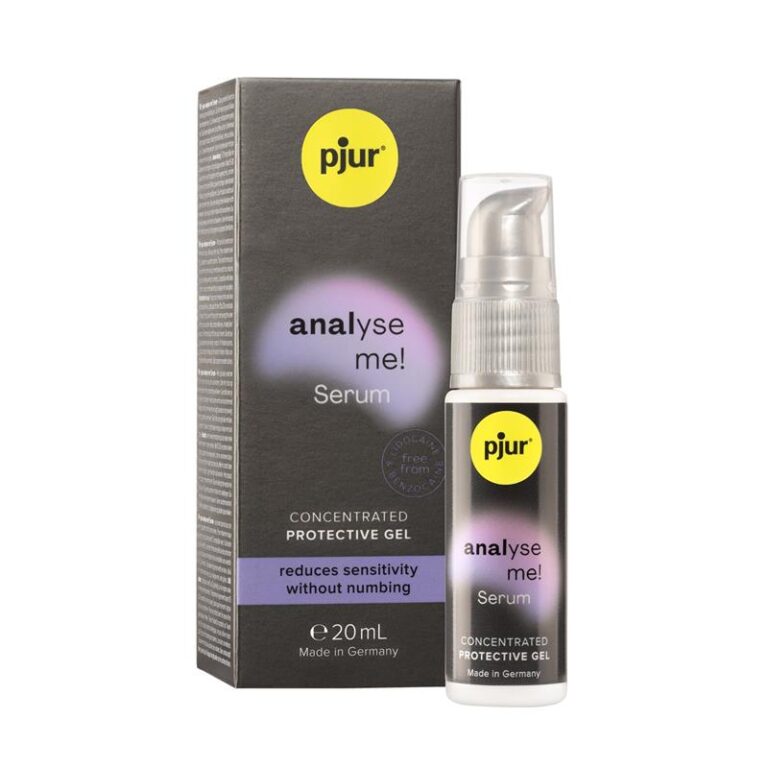
Concentrated Protective Gel Analyse me! 20 ml

Original price was: EUR24,95.Current price is: EUR16,48.
-25%

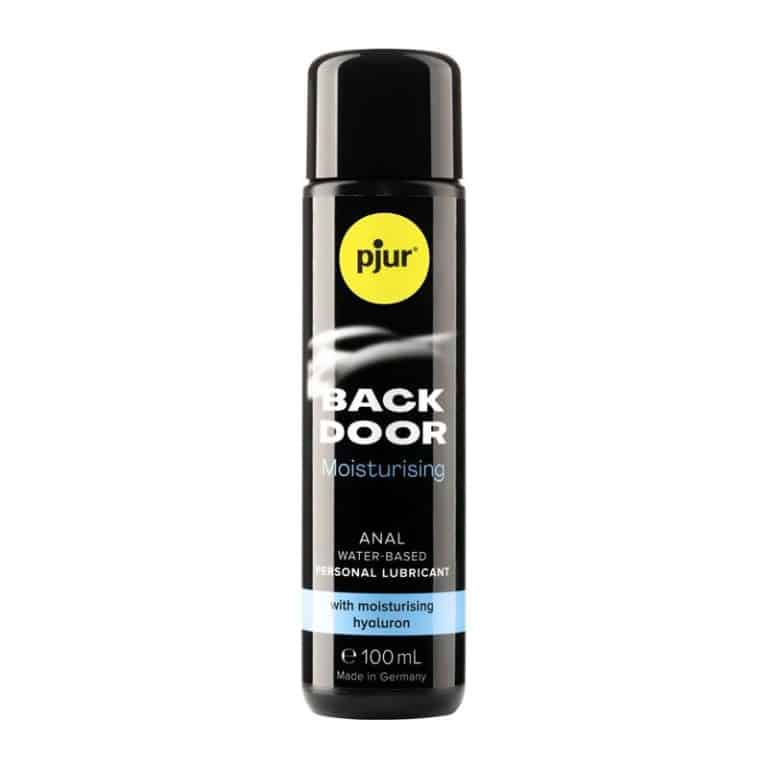
Anal Glide With panthenol and chamomile 100ml

Original price was: EUR18,35.Current price is: EUR13,80.
-32%

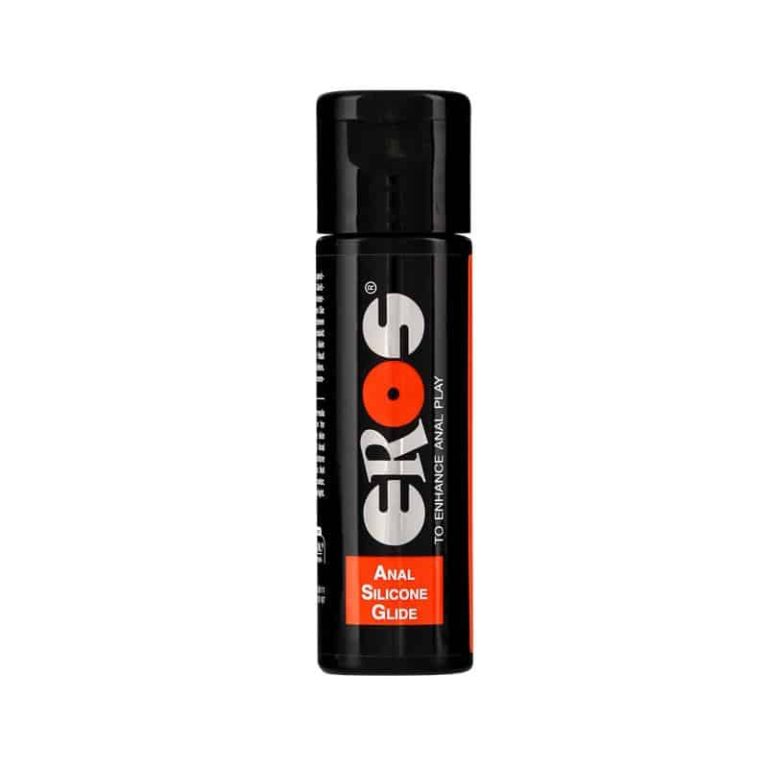
Anal Silicone Glide 30 ml

Original price was: EUR8,49.Current price is: EUR5,74.
-33%

Mega Power Anal 125 ml

Original price was: EUR18,99.Current price is: EUR12,66.
-25%

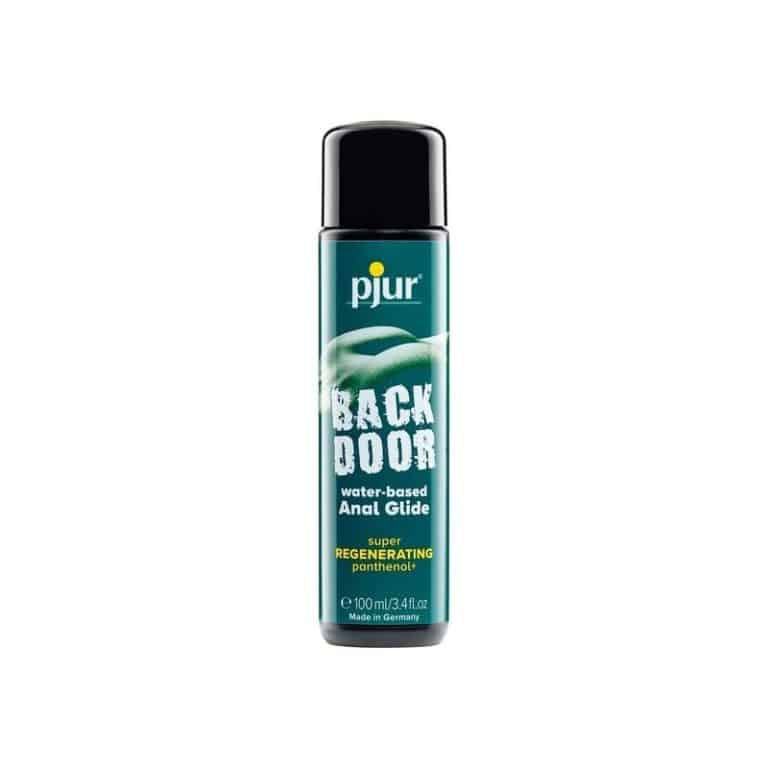
Pjur Backdoor Anal Comfort Glide 100 ml

Original price was: EUR18,35.Current price is: EUR13,80.
-25% Sold out

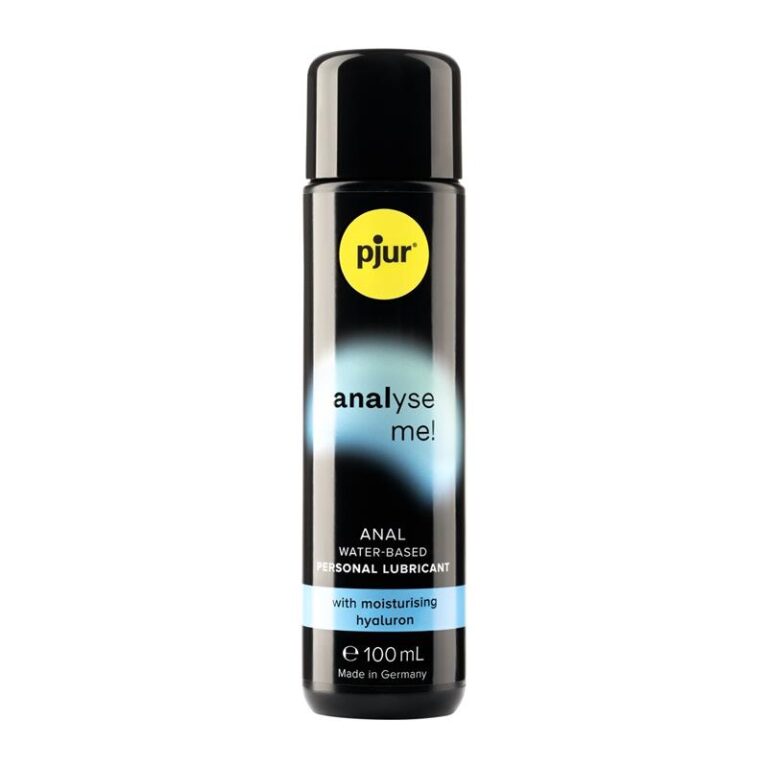
Analyse Me! Anal Lubricant Comfort Glide 100 ml

Original price was: EUR18,35.Current price is: EUR13,80.
-25% Sold out

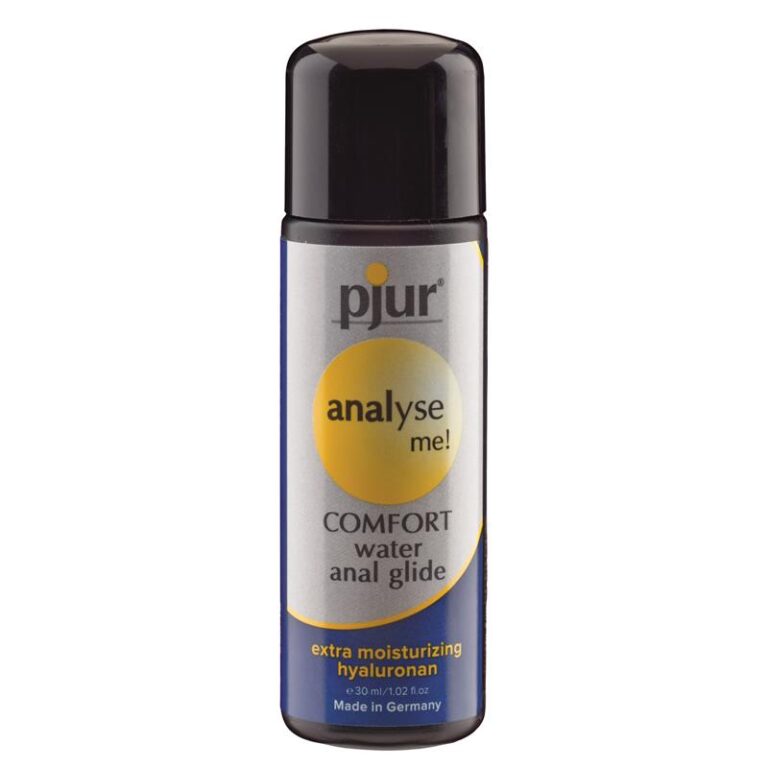
Pjur Analyse Me! Comfort Glide 30 ml

Original price was: EUR9,18.Current price is: EUR6,92.
-51% Sold out

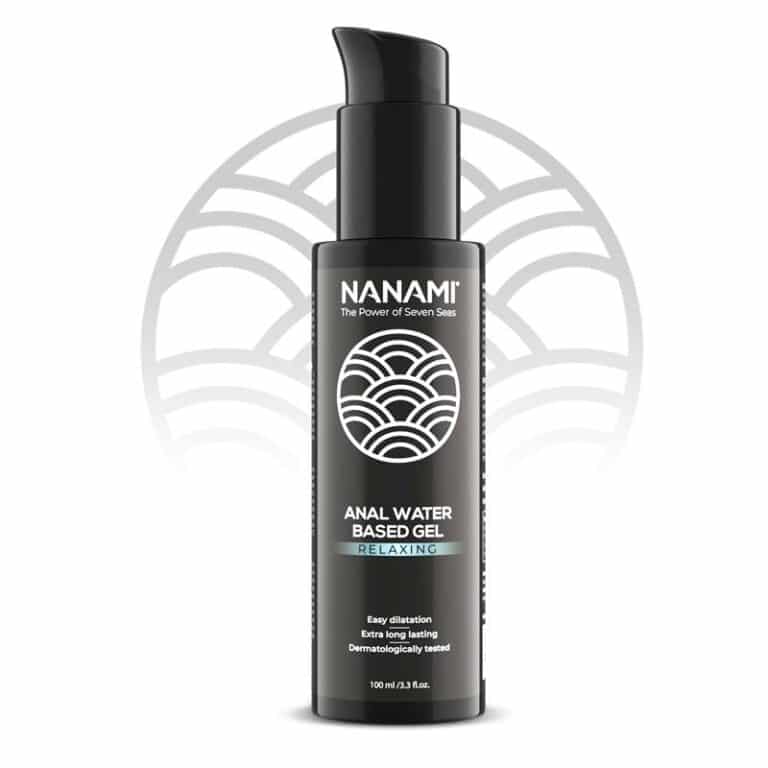
Anal Sliding Gel Water Based Relaxing 100 ml

Original price was: EUR12,95.Current price is: EUR6,40.
-48% Sold out

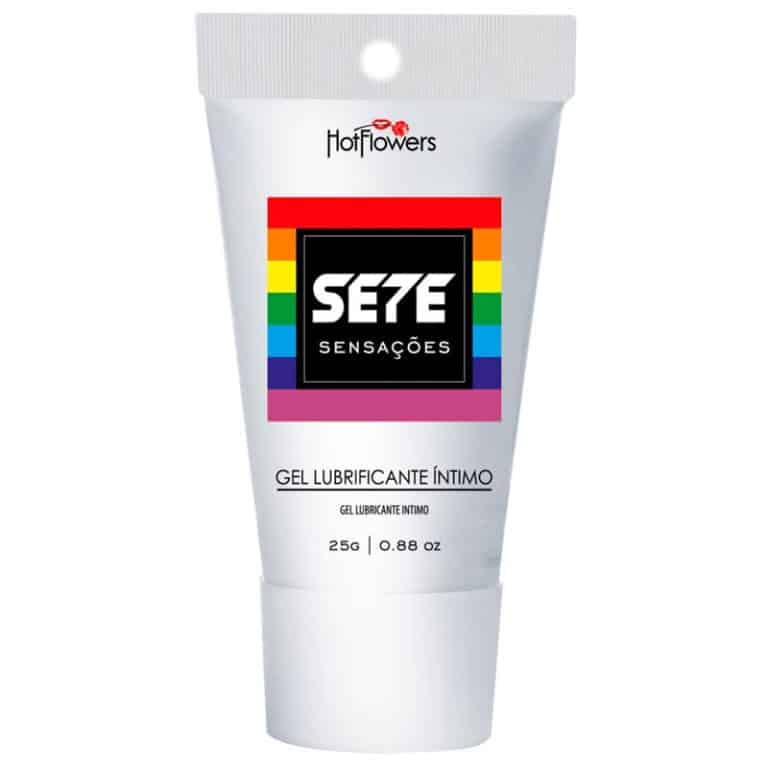
Lubricant Gel Sensation Set 25 gr

Original price was: EUR20,95.Current price is: EUR10,82.
-25% Sold out

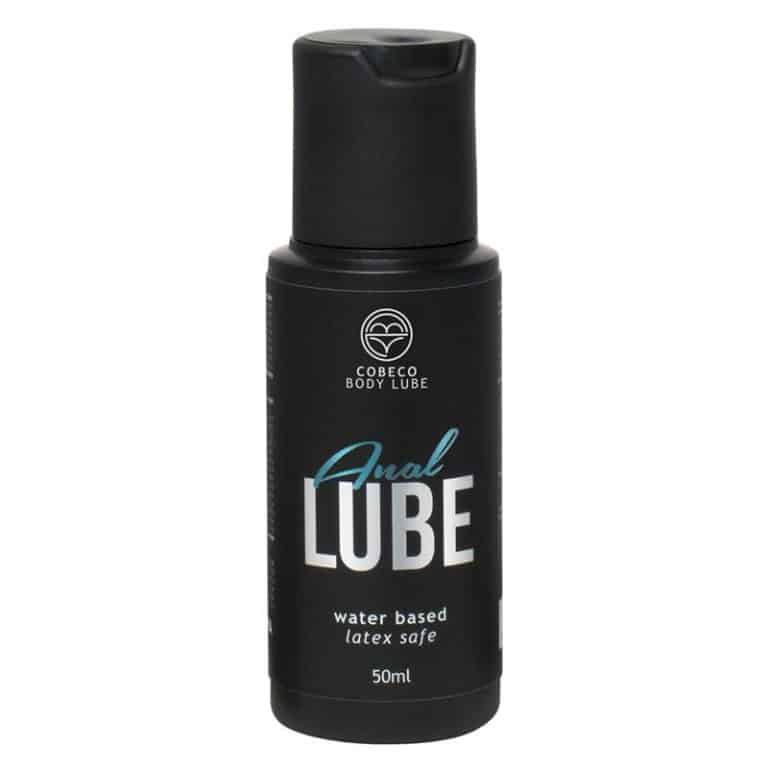
CBL Waterbased Anal Lube 50 ml

Original price was: EUR8,14.Current price is: EUR6,10.
-25% Sold out

Pjur Backdoor Anal Comfort Glide 250 ml

Original price was: EUR41,70.Current price is: EUR31,34.

Base System Selection For Anal Use

Water-based anal lubricants are the most common and most versatile option — compatible with all condoms and all toy materials. Their limitation for anal use is the same as for any water-based product: they eventually dry out and require reapplication. For anal activity, this limitation is more significant than for vaginal use because there is no natural moisture to slow the drying process. Thick water-based gels partially compensate — their higher viscosity means more product stays at the contact point for longer — but extended sessions (beyond 20-30 minutes of active penetration) typically require at least one reapplication. The reactivation-with-water technique works for anal use as well: adding moisture to the area re-dissolves the thickening agents and restores slipperiness without new product application.

Silicone-based lubricants are often considered the ideal base for anal use because they never dry out — the silicone molecules do not evaporate, do not absorb into tissue, and maintain their friction-reducing properties indefinitely until physically washed off with soap. A single application of silicone-based lubricant can last an entire anal session regardless of duration — eliminating the interruption of reapplication entirely. The trade-off: silicone-based lubricants can degrade silicone toys (a significant consideration given that many anal toys are silicone), require soap for cleanup (water alone does not remove them), and have a distinctly different feel (silkier, less "wet") that some users find less natural. For anal sex with a partner's penis or with non-silicone toys: silicone-based lubricant provides the most reliable, longest-lasting lubrication available.

Application Technique — Quantity, Placement, And Reapplication

The most common mistake with anal lubricant is using too little. Because the rectum provides no natural supplementation: the applied lubricant is the ONLY friction reduction available. Apply generously to both surfaces — the penetrating object (penis, toy, finger) AND the anal opening itself. For the anal opening: apply externally first, then use a lubricated finger to distribute lubricant just inside the entrance (the first 2-3cm where the sphincter muscles create the tightest contact and therefore the most friction). This internal application ensures lubrication is present at the point of highest friction from the first moment of penetration — rather than relying on the penetrating object to push external lubricant inward.

Reapplication timing depends on the base type and activity intensity. For water-based: check every 10-15 minutes during active penetration — if friction increases or the sensation shifts from smooth to dragging, reapply immediately rather than continuing with insufficient lubrication. For silicone-based: reapplication is rarely needed during a single session, but check if the penetrating object is withdrawn and reinserted (withdrawal can displace lubricant from the shaft). For any base type: if penetration is paused and resumed after several minutes, reapply — lubricant can migrate away from the contact area during breaks. The general principle: more lubricant is always safer than less for anal use. There is no practical upper limit — excess lubricant simply makes things more slippery, which reduces friction further. Insufficient lubricant risks tissue damage.


Frequently Asked Questions

1. Why can't I just use regular lubricant for anal sex?

You can — any body-safe lubricant is technically usable for anal sex. However: regular (vaginal-intended) lubricants are typically thinner, dry out faster, and provide less cushioning than anal-specific formulations. They are designed for an environment where the body contributes its own moisture — supplementing rather than replacing natural lubrication. For anal use: you would need to apply more product more frequently to achieve the same level of protection that an anal-specific formulation provides with a single application. Anal lubricants are not a different category of chemistry — they are the same base systems (water, silicone, hybrid) formulated with higher viscosity, better staying power, and more cushioning specifically for an environment with zero natural moisture.

2. How much anal lubricant should I use?

More than you think. A general starting point: approximately a tablespoon (15ml) for initial application — split between the penetrating object and the anal opening. This is significantly more than most people use for vaginal sex. Apply externally around the anus, then use a lubricated finger to distribute some inside the entrance. Coat the penetrating object generously along its full insertable length. If at any point during activity the sensation shifts from smooth to friction: stop and reapply immediately. The cost of using "too much" lubricant is zero (slightly messier cleanup). The cost of using too little is tissue damage. When in doubt: add more.

3. Is silicone or water-based better for anal sex?

Both work — the choice depends on your priorities. Silicone advantages for anal: never dries out (no reapplication needed), provides consistent friction reduction for the entire session, and creates a thicker cushioning layer. Silicone disadvantages: incompatible with silicone toys, requires soap for cleanup, and some people dislike the persistent slippery feeling that remains after sex until washed off. Water-based advantages for anal: compatible with all toys, easy cleanup with water, and available in thick gel formulations designed specifically for anal use. Water-based disadvantages: eventually dries out and requires reapplication, which can interrupt the flow of activity. For most couples: silicone is the superior choice for anal sex with a partner (no toy compatibility concern, no reapplication needed). For anal toy use: water-based is safer for the toy's surface.

4. Can anal lubricant cause digestive issues?

Quality anal lubricants from reputable brands do not cause digestive issues. The lubricant remains in the lower rectum and anal canal — it does not travel deeper into the digestive system in meaningful quantities. The body eventually expels it naturally during normal bowel movements. Silicone-based lubricants pass through the digestive system without being absorbed (silicone is biologically inert). Water-based lubricants are absorbed by the rectal mucosa or expelled naturally. Neither type causes diarrhoea, cramping, or digestive disruption in normal use. If you experience unusual digestive symptoms after anal play: the cause is more likely related to the physical activity itself (stimulation of the rectum can trigger bowel movement urges) rather than the lubricant.

5. Should anal lubricant contain numbing agents?

This is debated among sexual health professionals. Numbing agents (lidocaine, benzocaine) reduce pain sensation — which can make initial anal penetration more comfortable for beginners. However: pain exists as a protective signal. It tells you when tissue is being damaged, when you are going too fast, or when the sphincter has not relaxed sufficiently. Numbing that signal means you may not notice micro-tears, excessive force, or insufficient relaxation until after the numbing wears off — when the damage has already occurred. The alternative approach: use adequate lubricant, proceed slowly, allow the sphincter time to relax naturally, and interpret any pain as a signal to slow down or add more lubricant — rather than numbing the warning system. For dedicated desensitising options, see Anal Ease Lubricants.

6. Can I use coconut oil as anal lubricant?

Coconut oil provides excellent, long-lasting lubrication and is used by some people for anal sex. Advantages: natural, widely available, does not dry out, provides good cushioning, and is generally well-tolerated by rectal tissue. Disadvantages: degrades latex and polyisoprene condoms (making it unsafe for protected anal sex with standard condoms), can be difficult to clean from fabric, and — while generally safe — has not been specifically formulated or tested for internal anal use in the way that dedicated anal lubricants have. For unprotected anal sex (monogamous couples with known STI status): coconut oil is a functional option that many people use without issues. For protected anal sex with condoms: coconut oil is not safe — use a water-based or silicone-based lubricant instead.

7. How do I apply anal lubricant internally?

The most common method: apply lubricant to a finger, then gently insert the lubricated finger 2-3cm into the anus to distribute lubricant inside the entrance where the sphincter muscles create the most friction. This ensures lubrication is present at the tightest point from the first moment of penetration. Alternative: some anal lubricants come with applicator tips (thin nozzles that insert into the anus and deposit lubricant directly inside). These provide more precise internal placement without requiring finger insertion — useful for beginners who find finger insertion uncomfortable or for applying lubricant deeper than a finger easily reaches. Whichever method: ensure the external area is also lubricated — the initial contact between the penetrating object and the outer sphincter ring needs lubrication before any internal insertion occurs.

8. Does anal lubricant have a different pH than vaginal lubricant?

Ideally: yes. The vaginal environment is acidic (pH 3.8-4.5) — vaginal lubricants are formulated to match this acidity. The rectal environment is closer to neutral (pH 6.5-7.2) — anal lubricants are ideally formulated closer to this neutral range. Using a strongly acidic vaginal lubricant for anal sex is not dangerous, but it does not match the rectal environment's natural pH — which may cause mild irritation in some individuals. In practice: many lubricants marketed for anal use are formulated at a near-neutral pH appropriate for rectal tissue. If a product does not specify its pH: water-based lubricants without strong pH-adjusting ingredients tend to be close to neutral by default. For sensitive individuals: look for anal lubricants that explicitly state their pH is formulated for rectal use.

9. Can I switch from anal to vaginal penetration using the same lubricant?

The lubricant itself is not the concern — the concern is bacterial transfer. Rectal bacteria (including E. coli and other organisms) can cause vaginal infections (bacterial vaginosis, urinary tract infections) if transferred from the anus to the vagina. Before switching from anal to vaginal penetration: change condoms (if using them), wash the penetrating object thoroughly with soap and water, or use a fresh toy. The lubricant on the vaginal area can be the same product — but the object that was inside the rectum must be cleaned or covered before vaginal contact. This is a hygiene rule, not a lubricant compatibility issue. Some couples keep separate toys for anal and vaginal use to eliminate any cross-contamination risk entirely.

10. How do I know if I'm using enough anal lubricant?

The sensation should be smooth and gliding throughout — if at any point you feel friction, dragging, or a "catching" sensation: you need more lubricant immediately. Adequate lubrication feels effortless — penetration slides smoothly without resistance beyond the sphincter's natural muscular tension. Insufficient lubrication feels like friction or pulling — as though the tissue is being dragged along with the penetrating object rather than the object sliding past the tissue. If you are unsure: you almost certainly need more. The consequences of over-lubrication (slightly messier) are trivial compared to the consequences of under-lubrication (tissue damage, pain, potential infection risk from micro-tears). Develop the habit of reapplying proactively (before friction becomes noticeable) rather than reactively (after discomfort has already begun).

Our Product & Trust Standards

Products curated within this category are evaluated within erotica-shop.eu’s framework for material considerations, product integrity, editorial standards, and customer privacy.

Material Standards: Learn about our material selection criteria, chemical compliance considerations, and product-safety standards. Read Material Safety Standards →

Explore our complete Trust & Standards Hub →