🚚 FAST EU DELIVERY
🛡️ BODY-SAFE PRODUCTS
🔒 SECURE PAYMENT
📦 DISCREET SHIPPING

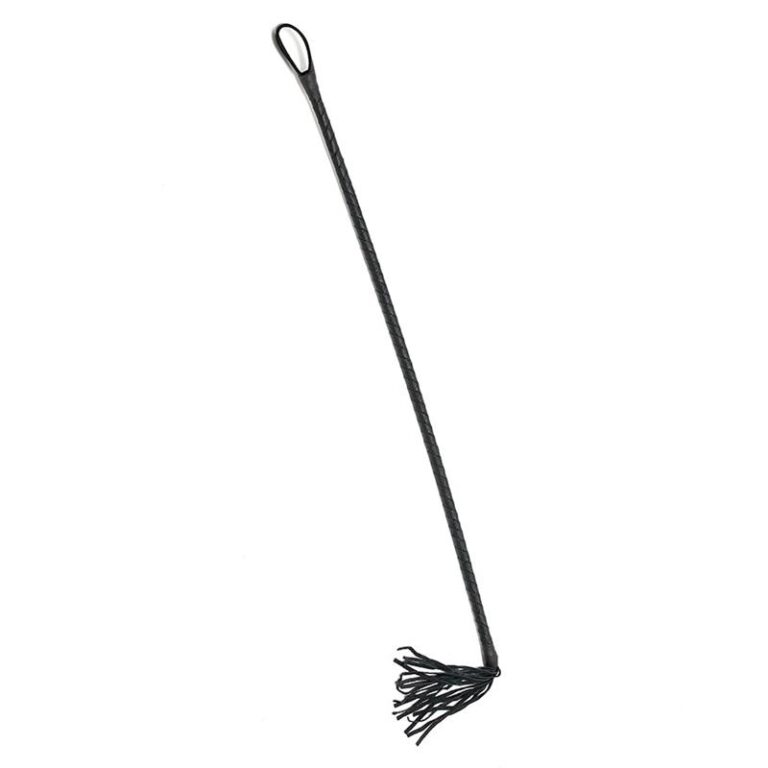
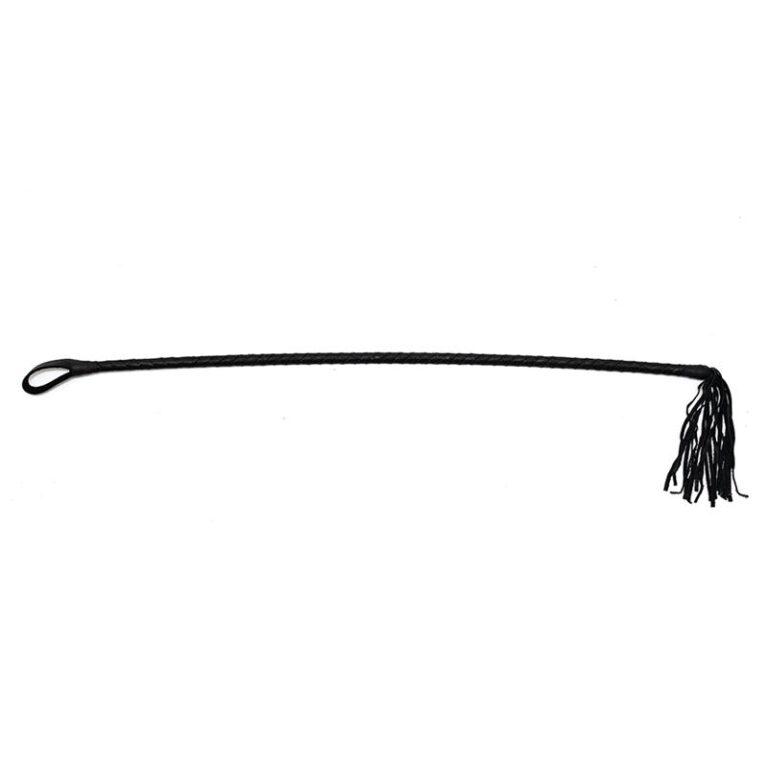
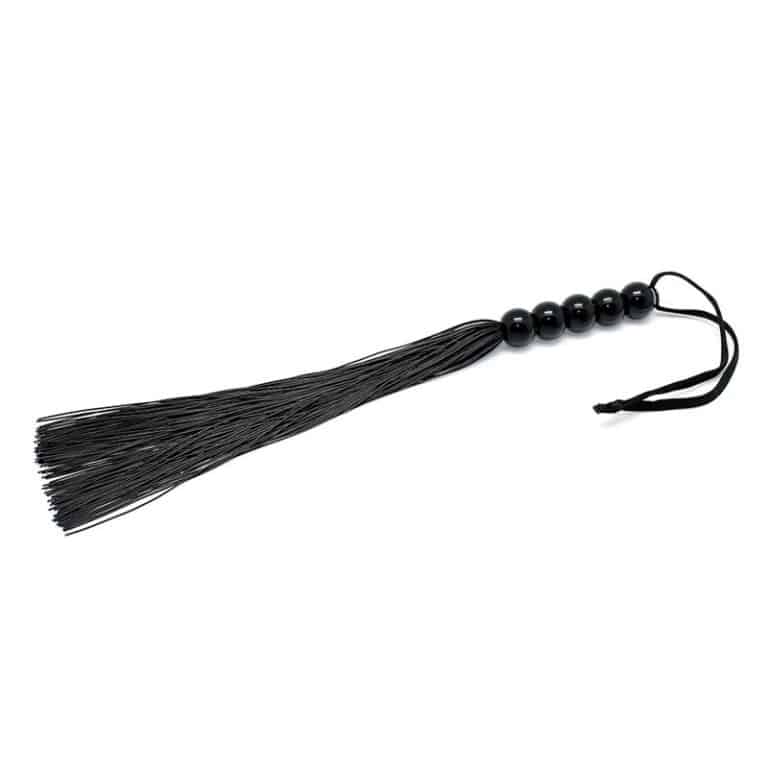
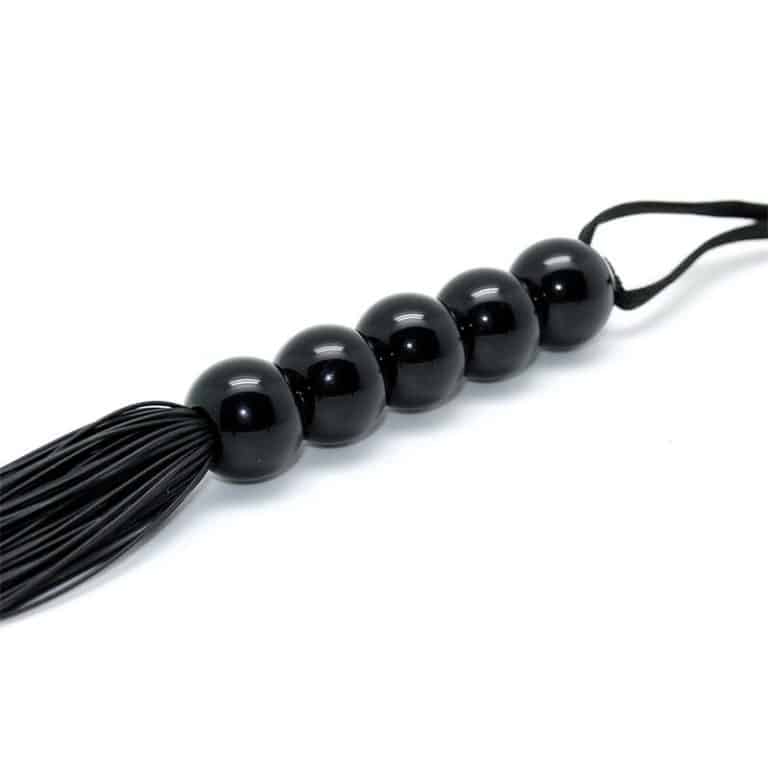
Whips, Floggers & Spanking Paddles – Impact Play, Controlled Tension & Sensory Escalation

Controlled rhythm, escalating anticipation and impact-focused sensory immersion

Explore whips, floggers and spanking paddles designed to create escalating anticipation, focused impact and deeper psychological immersion through rhythm instead of repetition. Inside advanced fetish environments, impact play becomes a controlled sensory structure where pauses, movement and timing affect the nervous system long before physical contact even happens. The body reacts to expectation continuously once rhythm becomes unpredictable and escalation starts building through anticipation instead of force alone.

Different restraint dynamics dramatically change how impact is experienced. Pairing rhythmic impact with structured restraint cuffs limits subconscious movement and keeps muscular tension fixed during escalation, while body posture harness systems intensify positional awareness and emotional vulnerability simultaneously. Once the body loses its ability to reposition naturally, every strike feels psychologically heavier because anticipation remains centered without release.

Sensory uncertainty amplifies impact immersion even further. Combining impact-focused setups with bondage rope restraint creates slower controlled positioning where tension builds continuously through stillness, posture and delayed rhythm variation. Adding blindfold-based sensory restriction removes timing certainty completely, forcing the nervous system to depend entirely on sound, muscular anticipation and expectation instead of sight.

Advanced impact play depends on psychological pacing precise enough to keep the nervous system emotionally engaged between every movement and strike. The strongest experiences are built through rhythm variation, restraint positioning and sensory layering that continuously reshape anticipation throughout escalation. Once uncertainty, posture control and controlled impact begin reinforcing one another together, impact play evolves into a fully connected sensory environment instead of isolated reactions separated by recovery.

Showing 1–36 of 239 resultsSorted by popularity

-32%

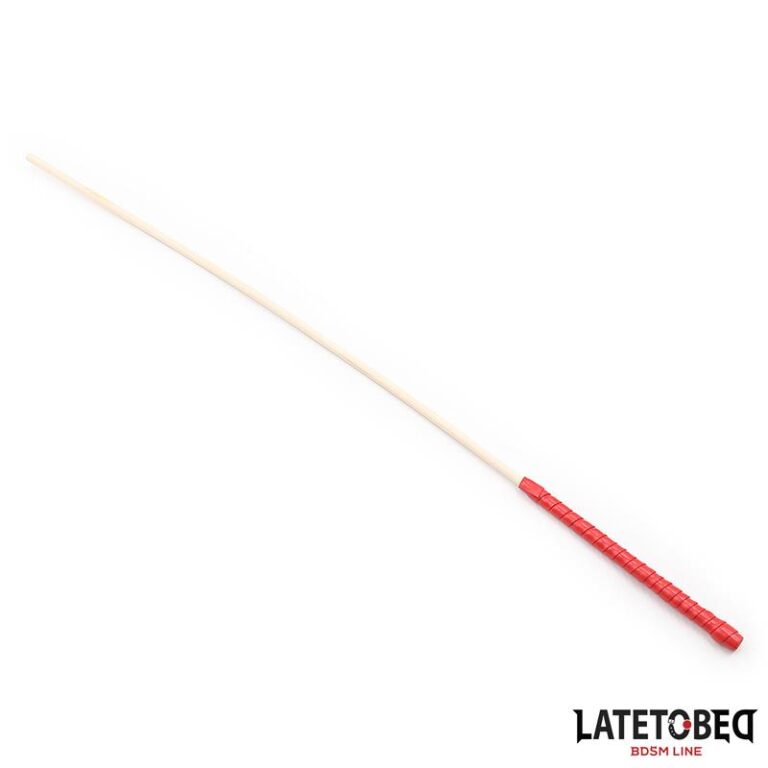
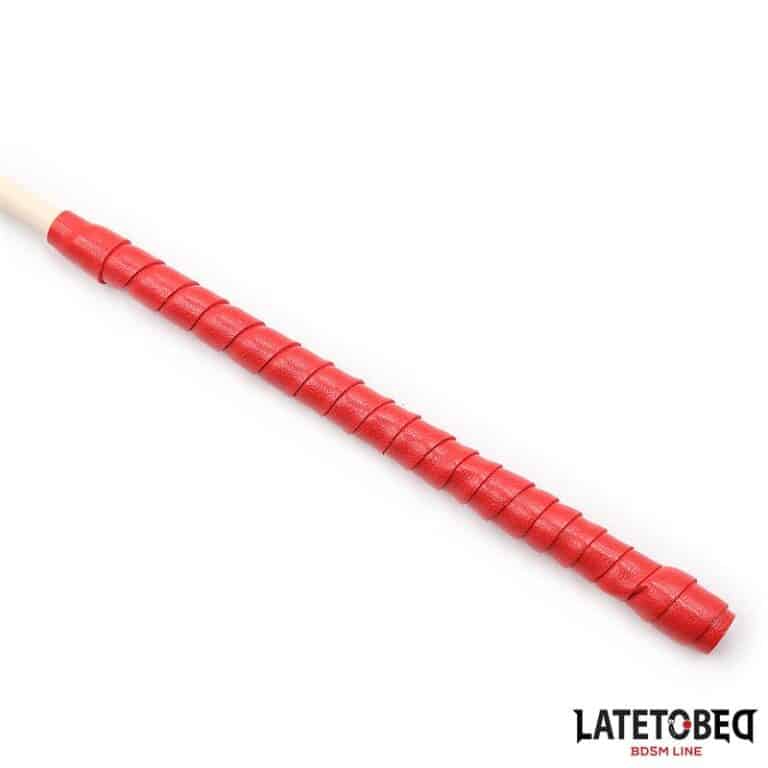
Rattan Cane 60cm

Original price was: EUR3,71.Current price is: EUR2,52.
-53%

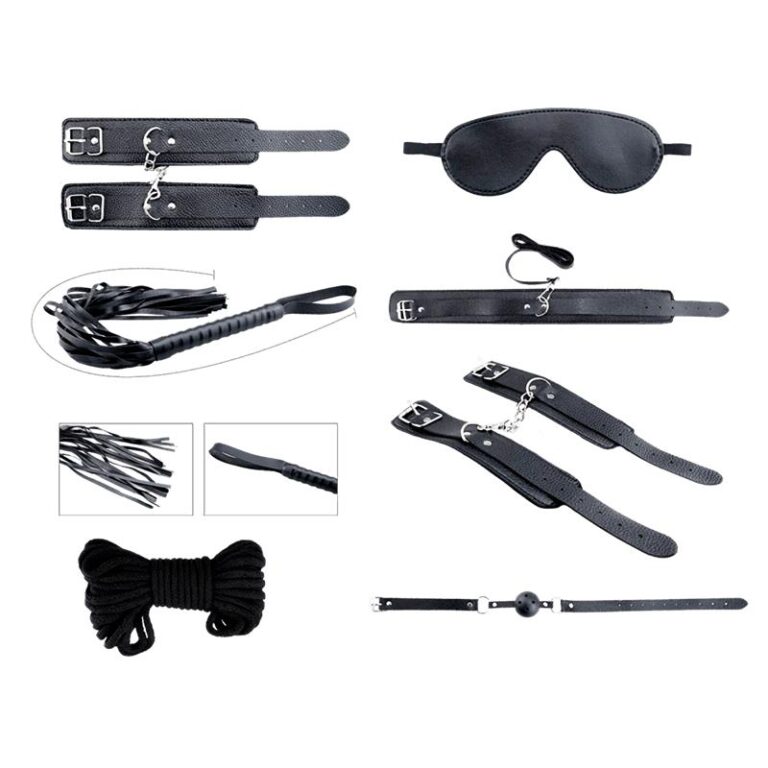
7 Pcs Bondage Set Furry Kit

Original price was: EUR29,95.Current price is: EUR14,14.
-32%

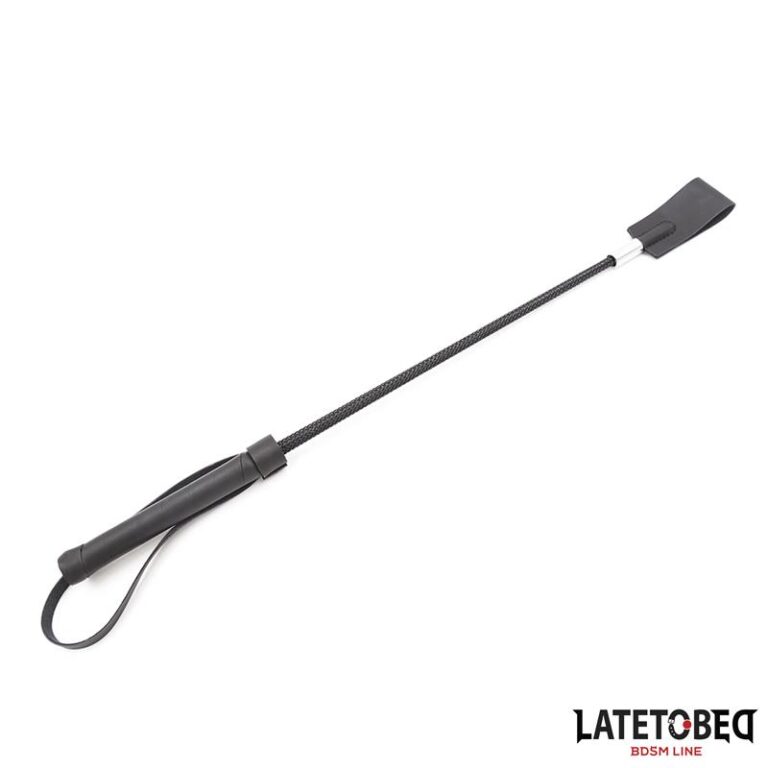
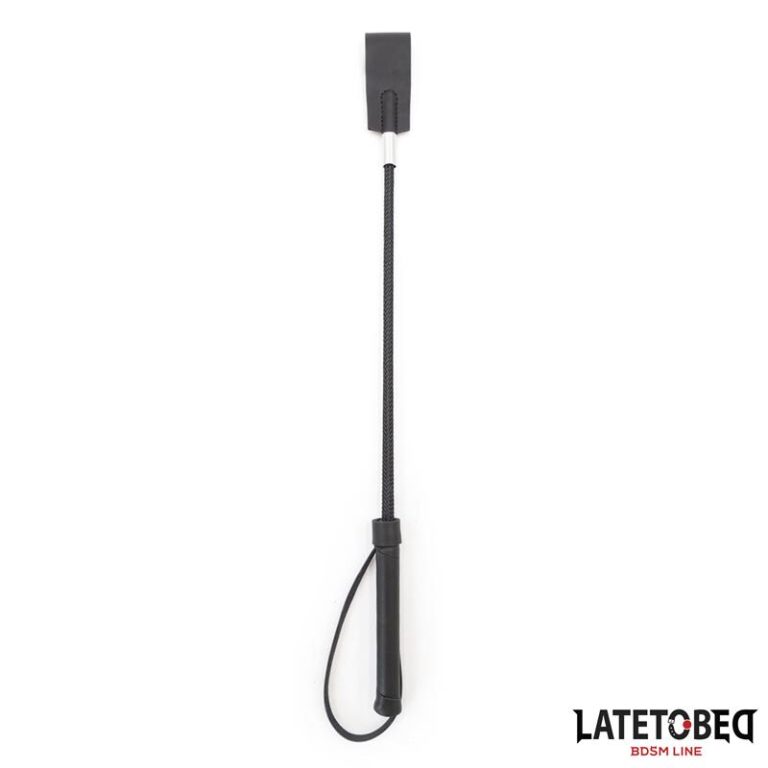
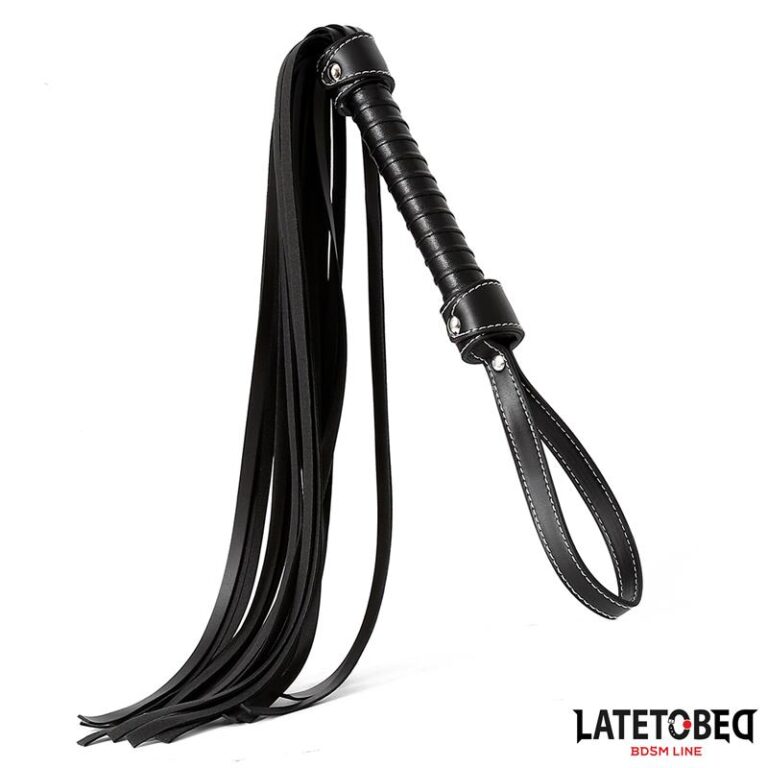
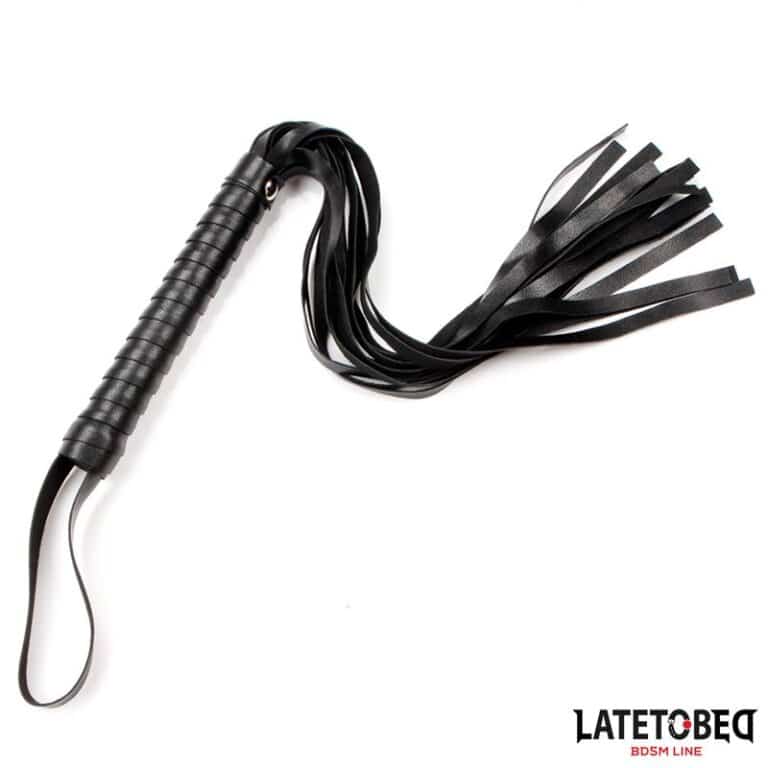
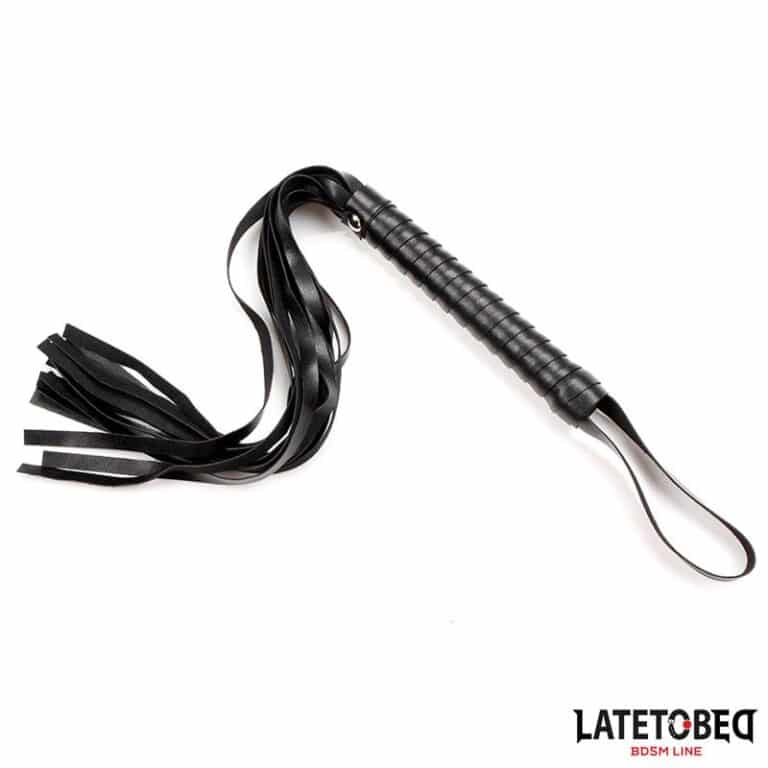
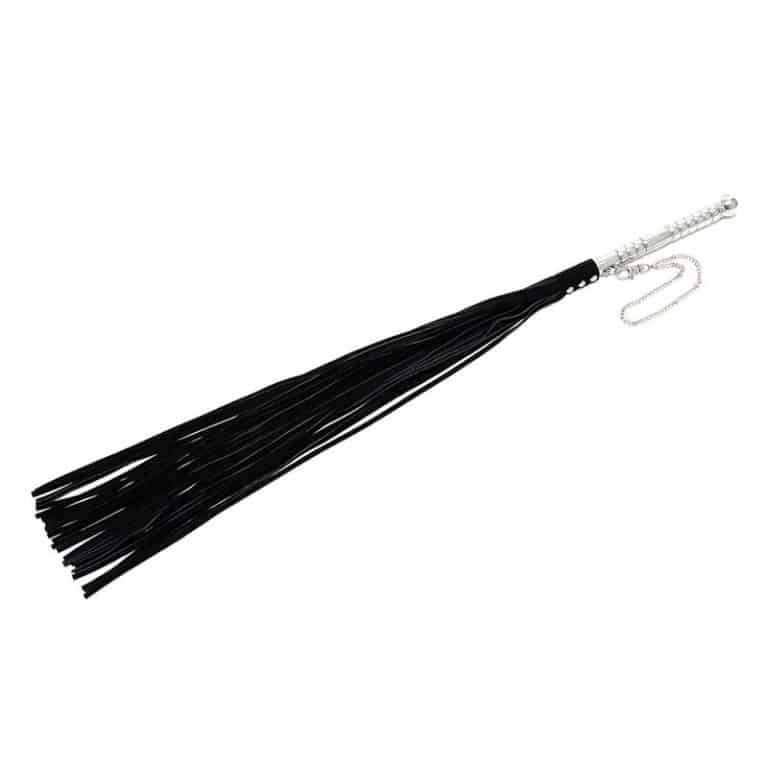
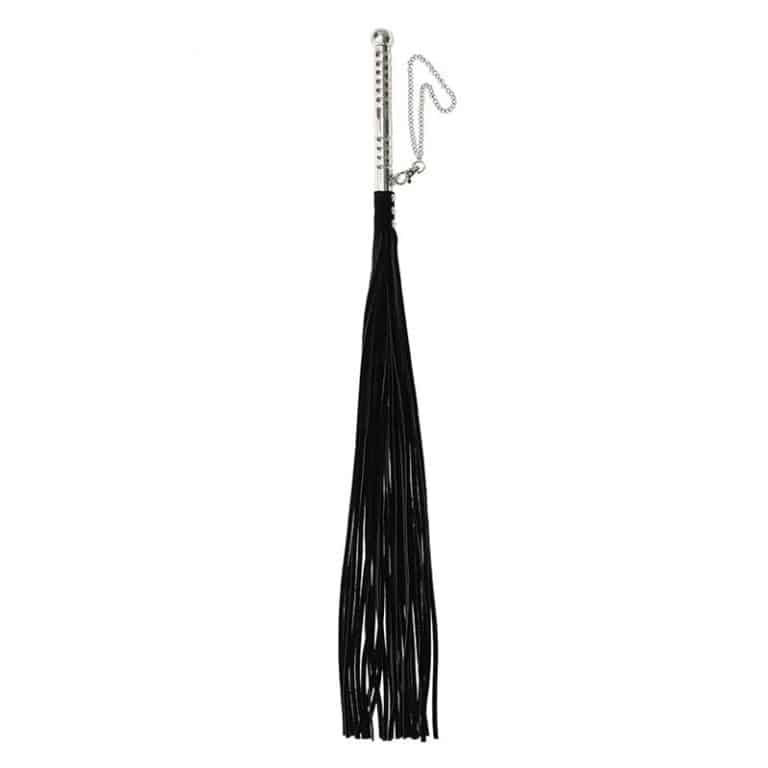
Classic Whip Black 45cm

Original price was: EUR9,93.Current price is: EUR6,74.
-32%

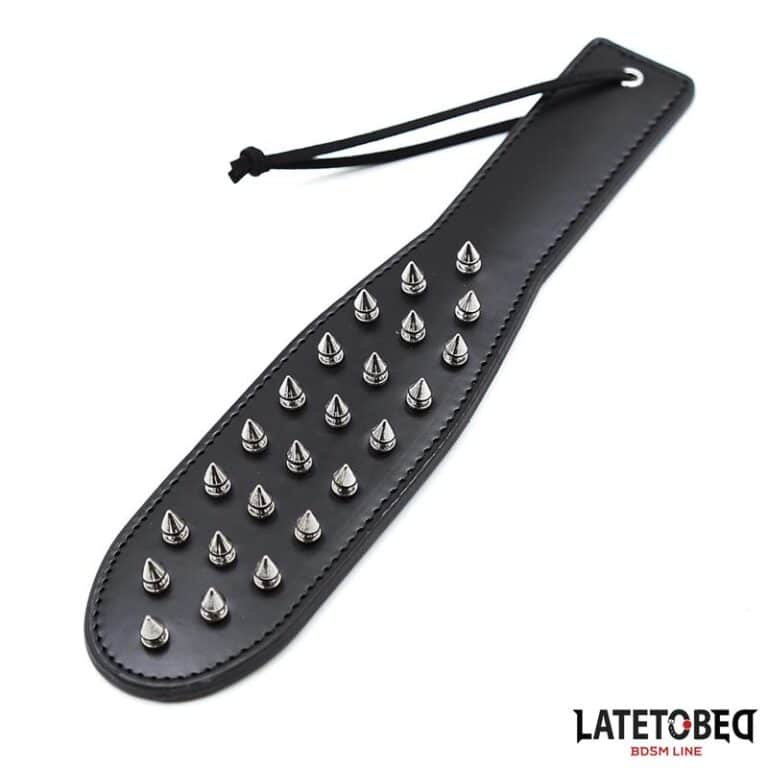
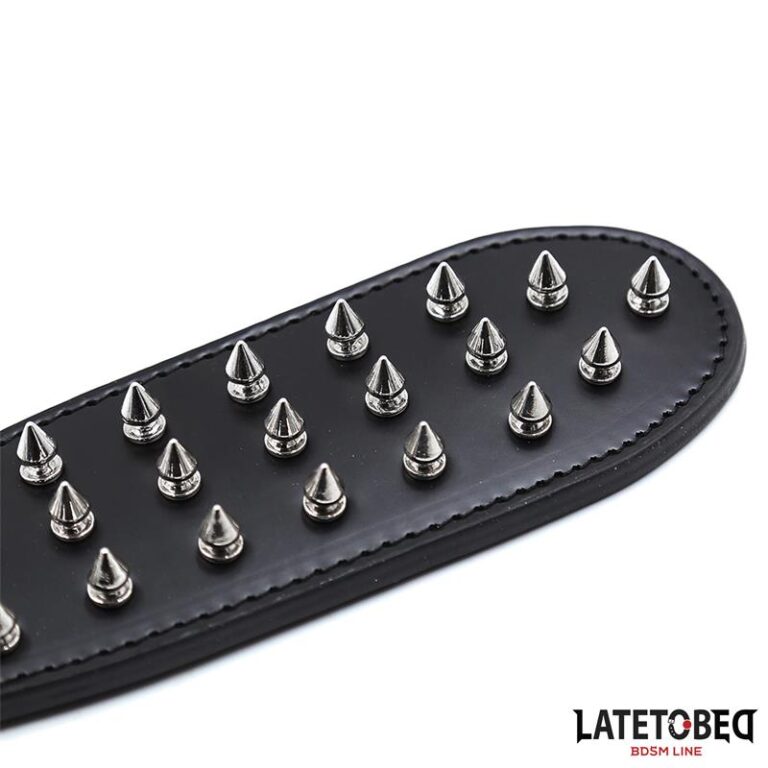
Spike Paddle 30cm

Original price was: EUR13,72.Current price is: EUR9,28.
-17%

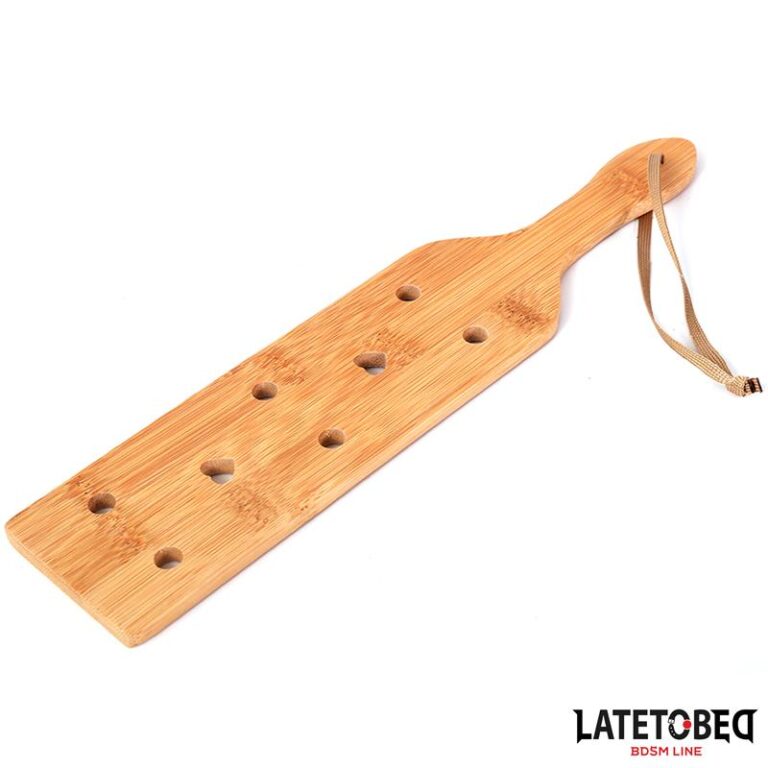
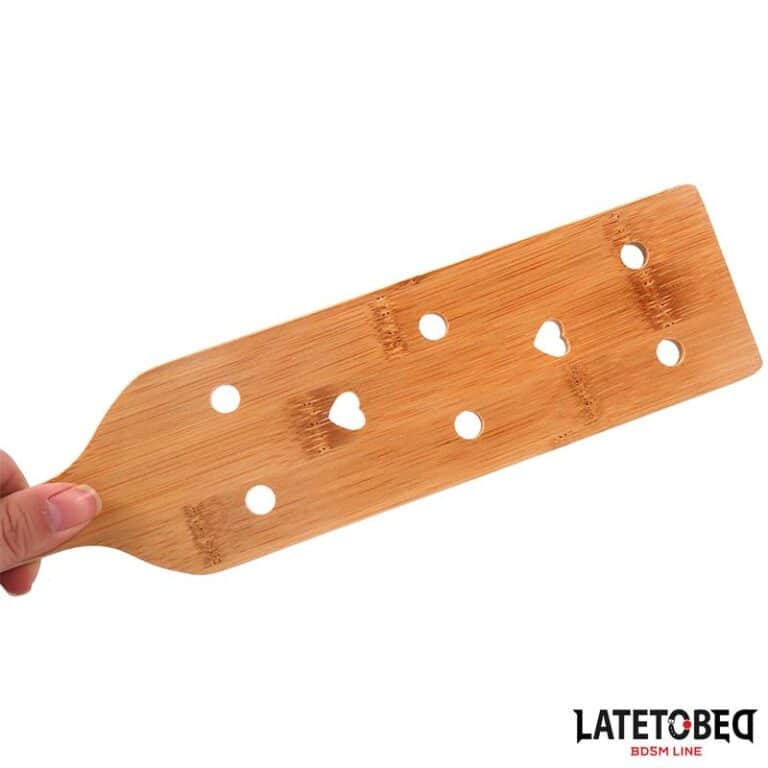
Wooden Paddle

Original price was: EUR25,95.Current price is: EUR21,50.
-42%

Secret Desires Black 8 Pieces BDSM

Original price was: EUR34,90.Current price is: EUR20,24.
-42%

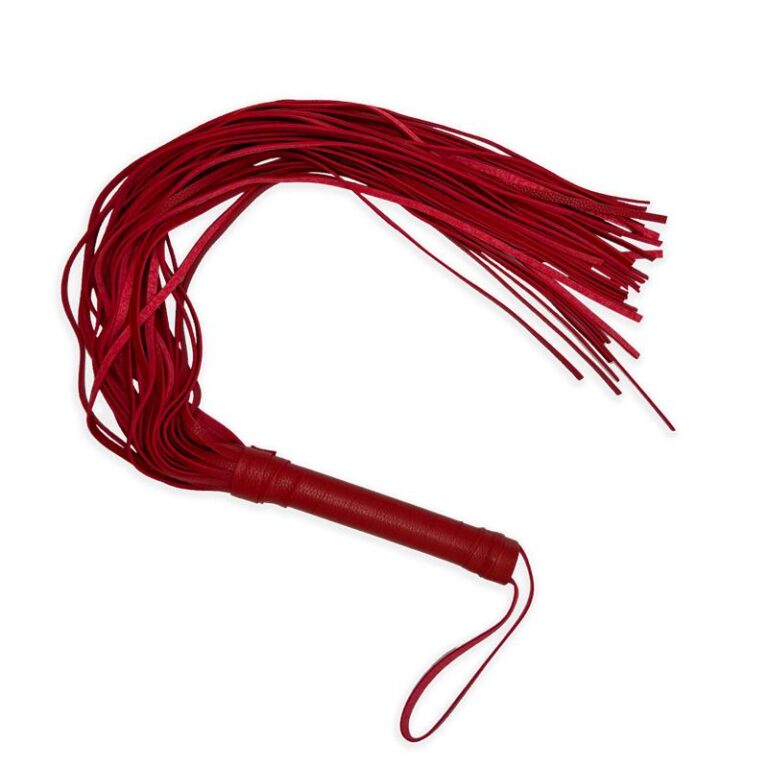
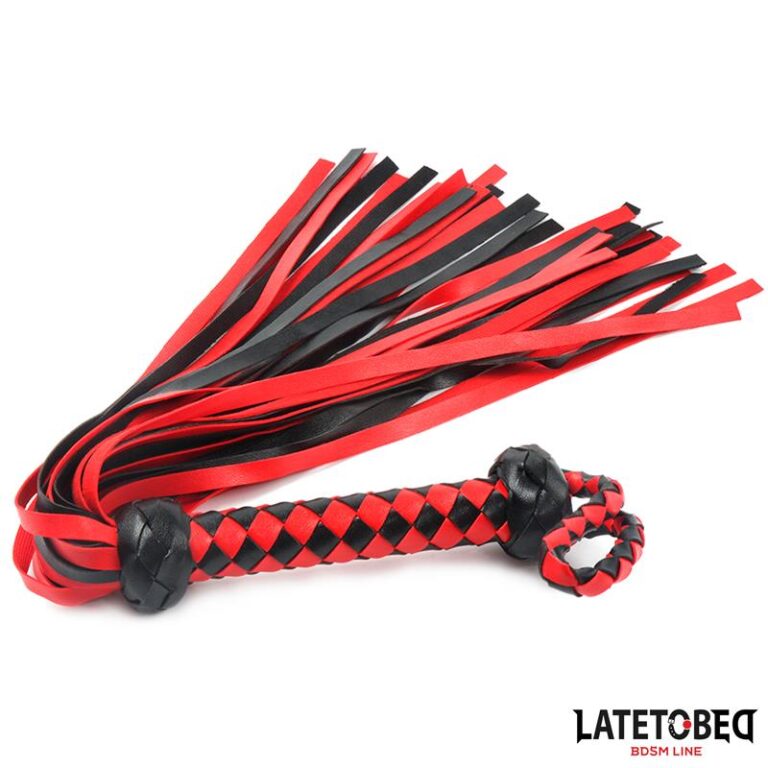
Fantasy Flogger 69 cm Red

Original price was: EUR16,90.Current price is: EUR9,80.
-32%

Mini Simply Flogger 28cm

Original price was: EUR3,50.Current price is: EUR2,38.
-32%

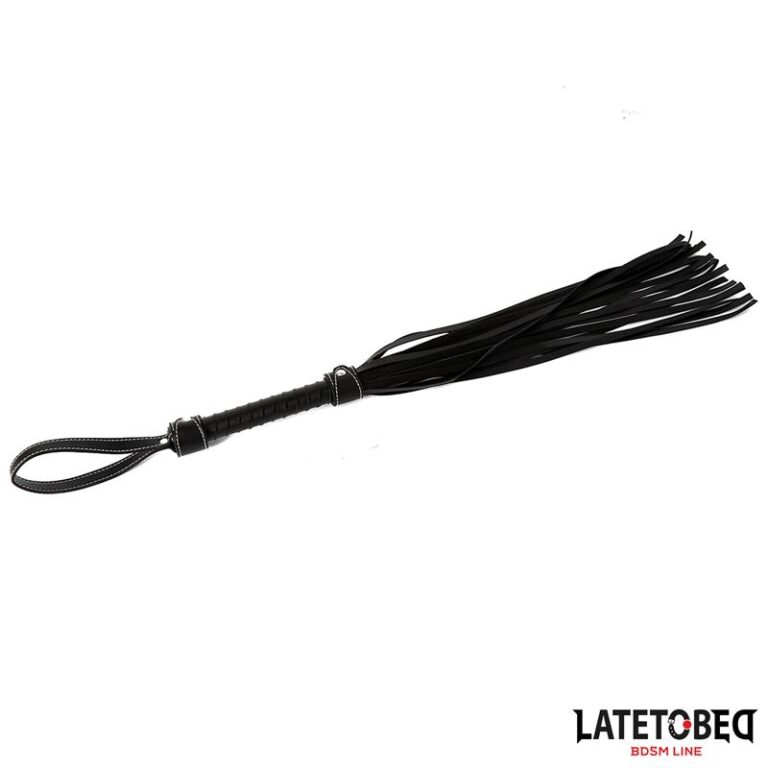
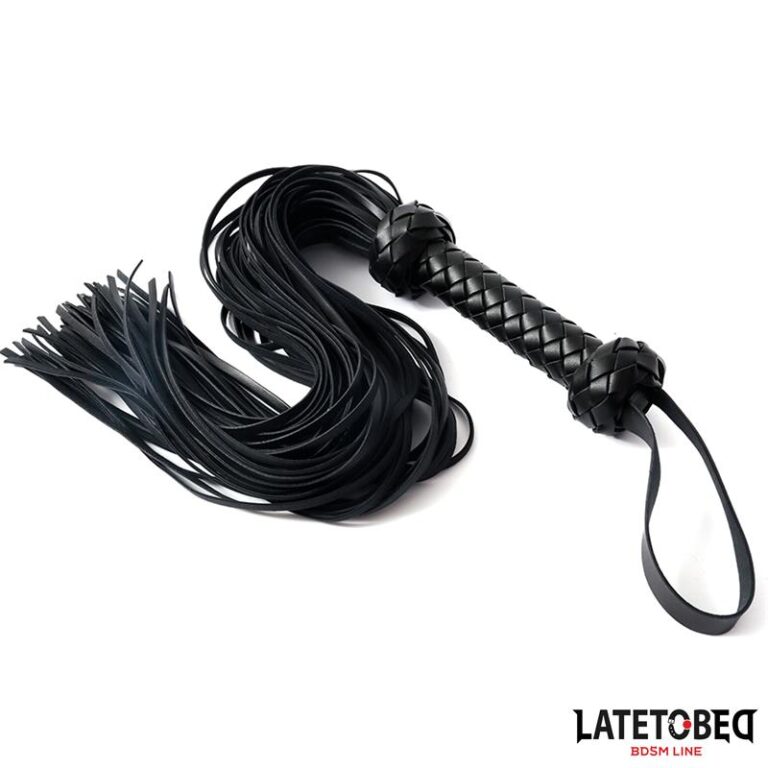
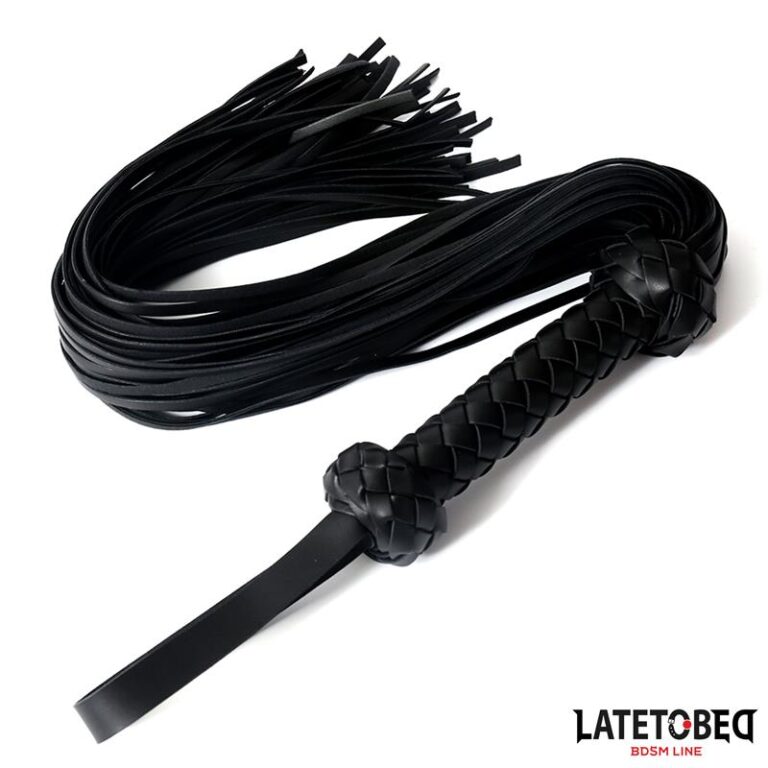
Premium Flogger 77cm

Original price was: EUR11,39.Current price is: EUR7,72.
-32%

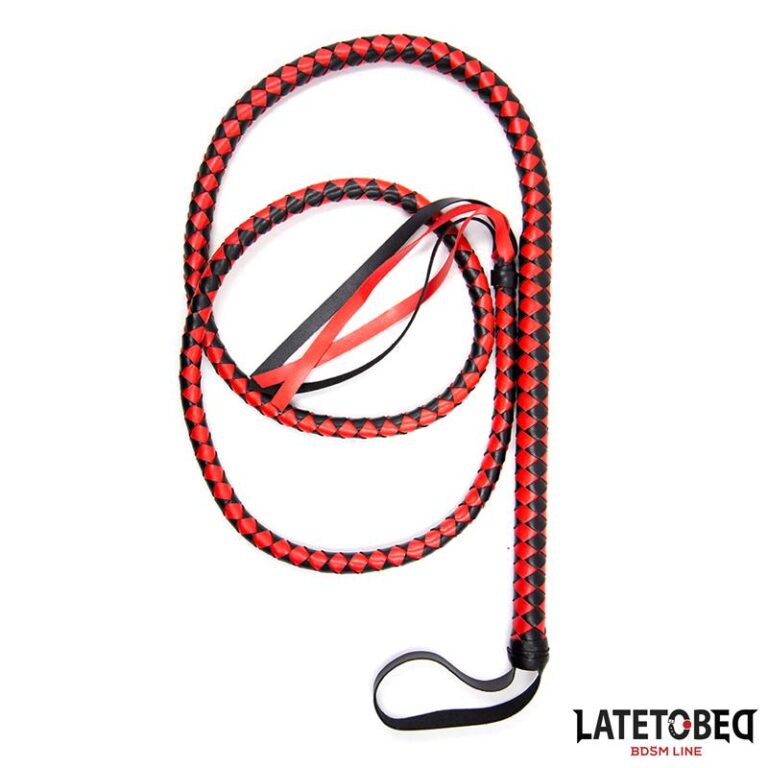
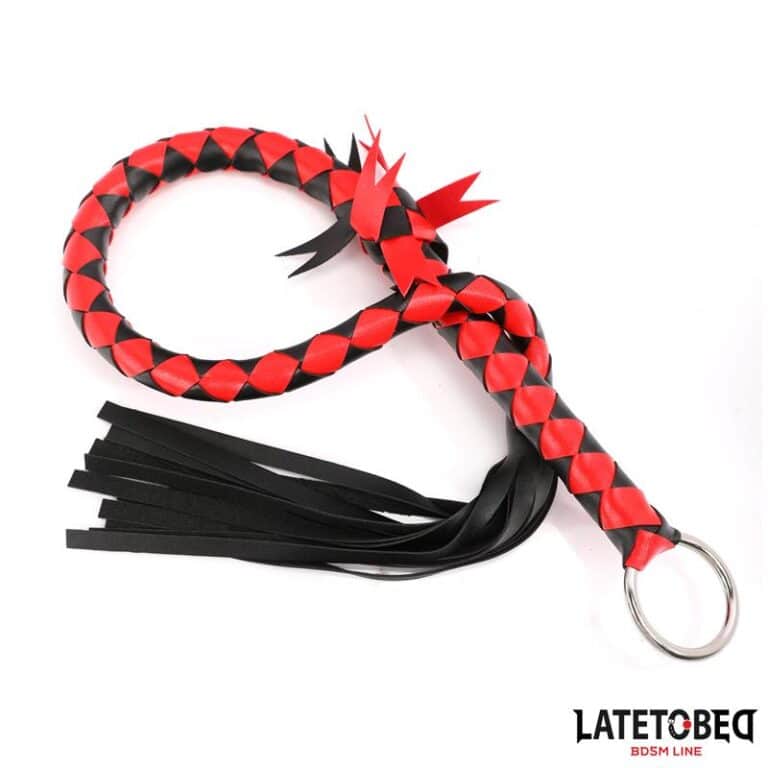
Long Whip Blacl and Red 210cm

Original price was: EUR10,67.Current price is: EUR7,24.
-19%

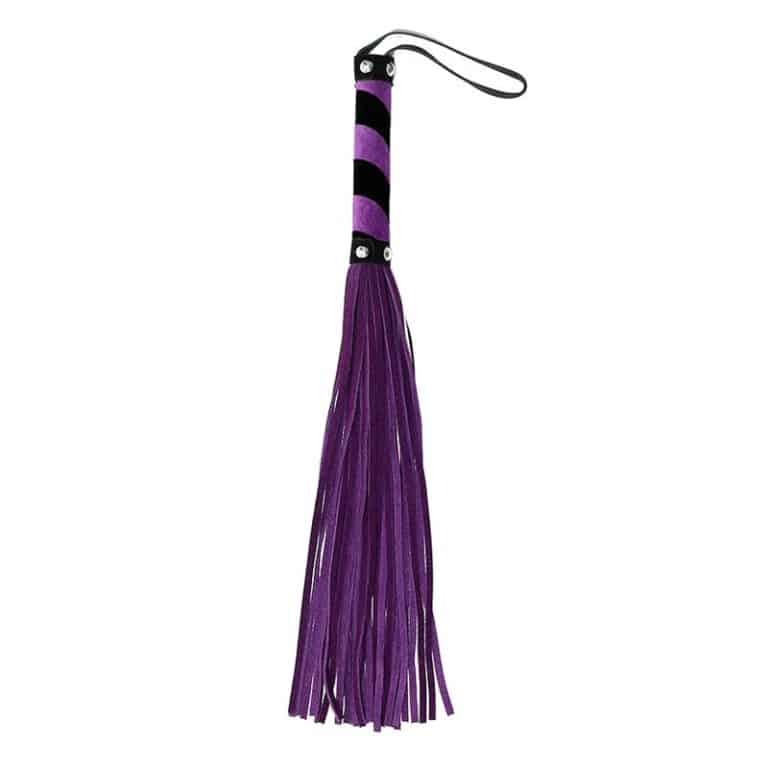
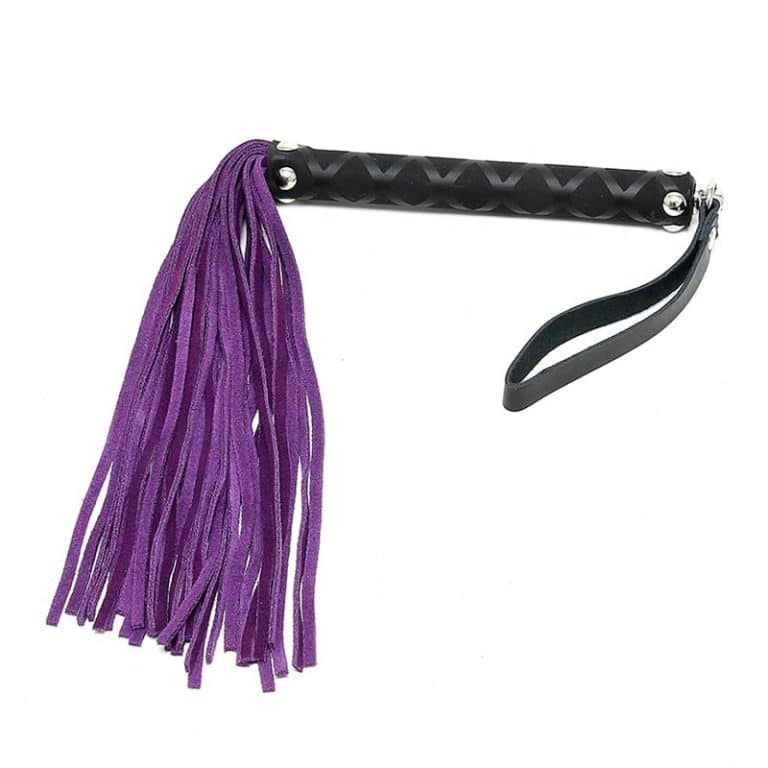
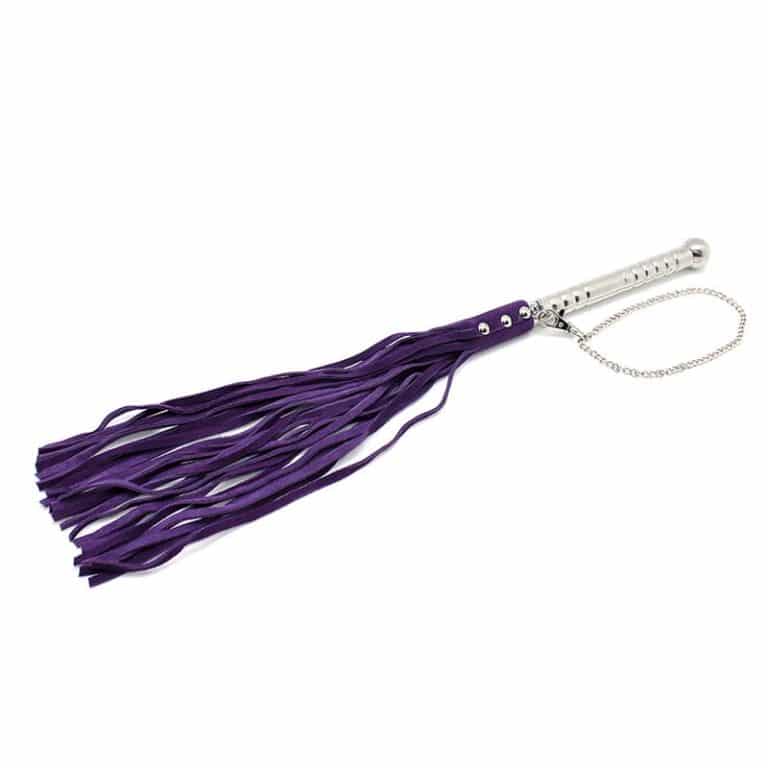
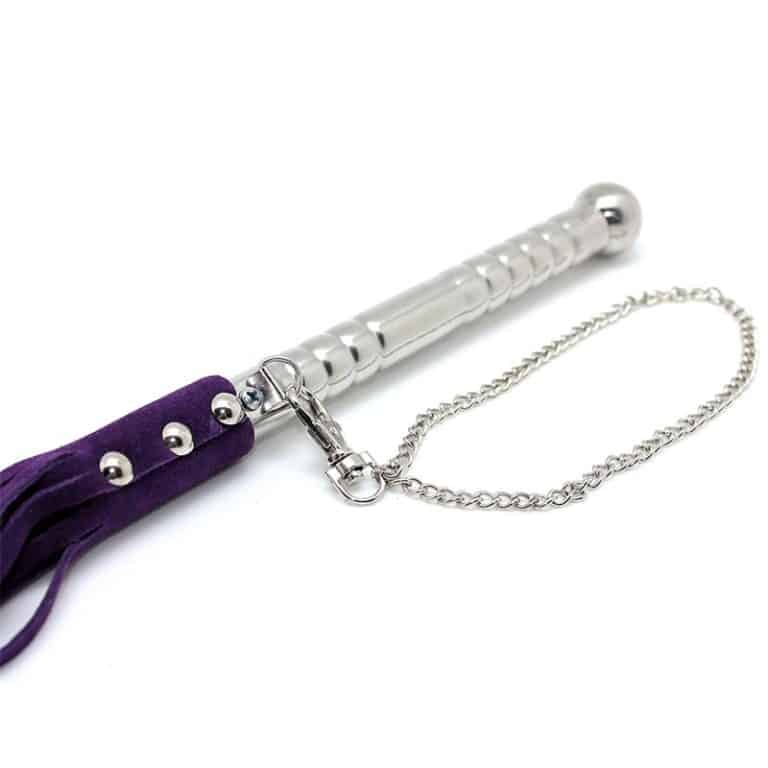
Flogger Purple 44 cm

Original price was: EUR43,50.Current price is: EUR35,32.
-17%

Flogger Purple 35 cm

Original price was: EUR24,50.Current price is: EUR20,34.
-17%

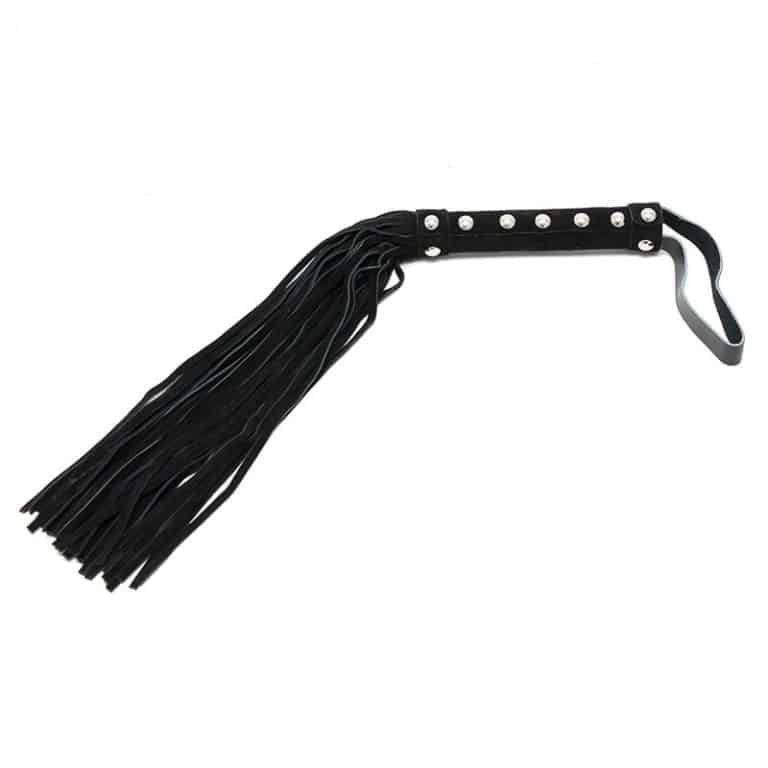
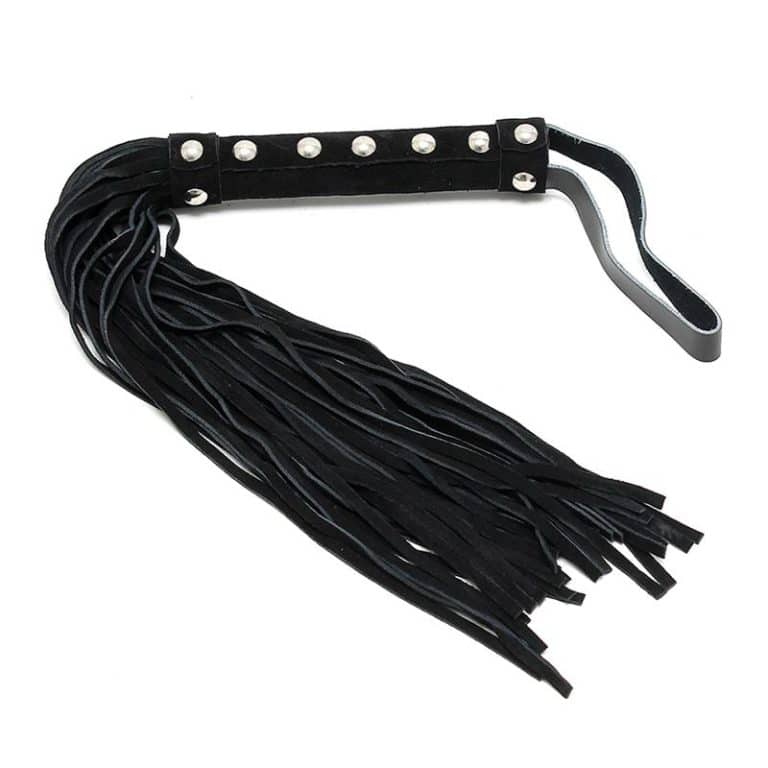
Flogger Leather 44 cm

Original price was: EUR42,50.Current price is: EUR35,32.
-18%

Cane 70 cm

Original price was: EUR25,95.Current price is: EUR21,30.
-5%

Flogger 38 cm

Original price was: EUR12,50.Current price is: EUR11,90.
-17%

Flogger Purple 52 cm

Original price was: EUR30,95.Current price is: EUR25,58.
-17%

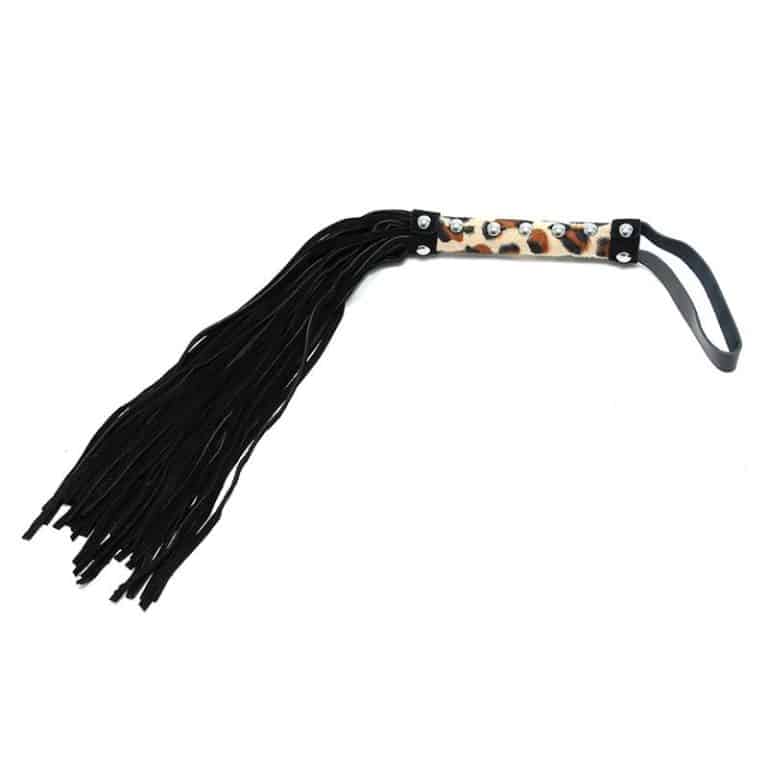
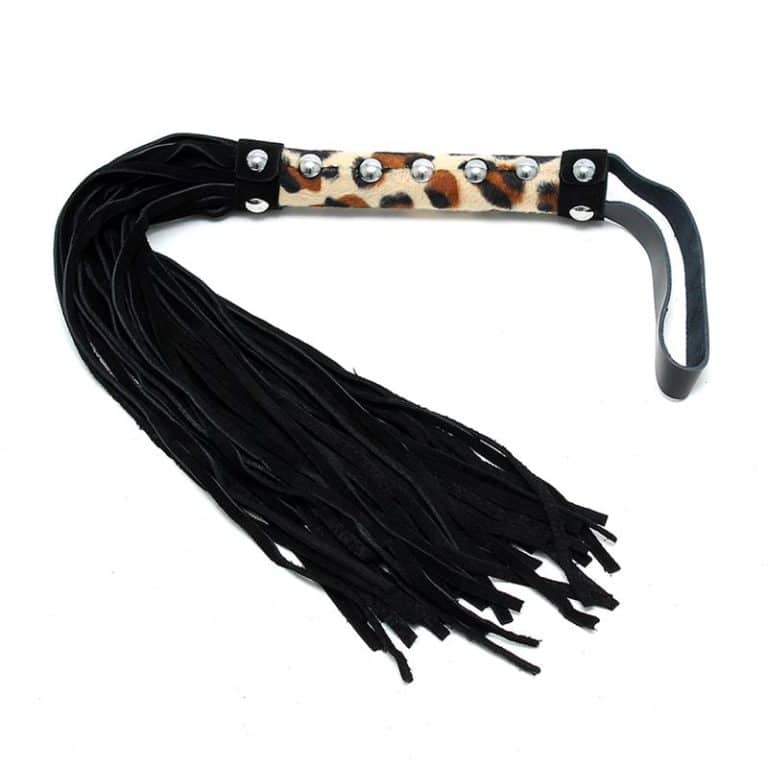
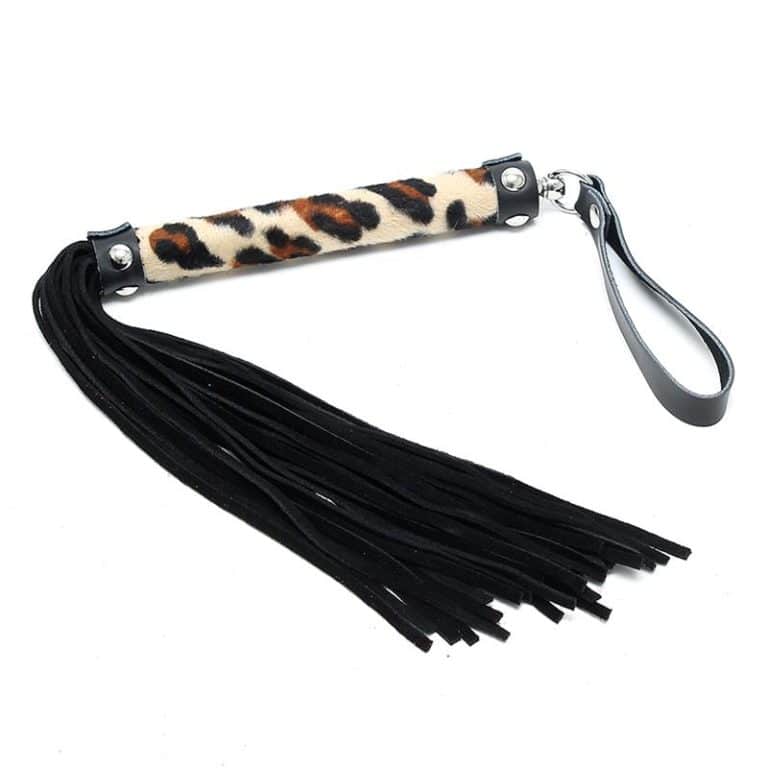
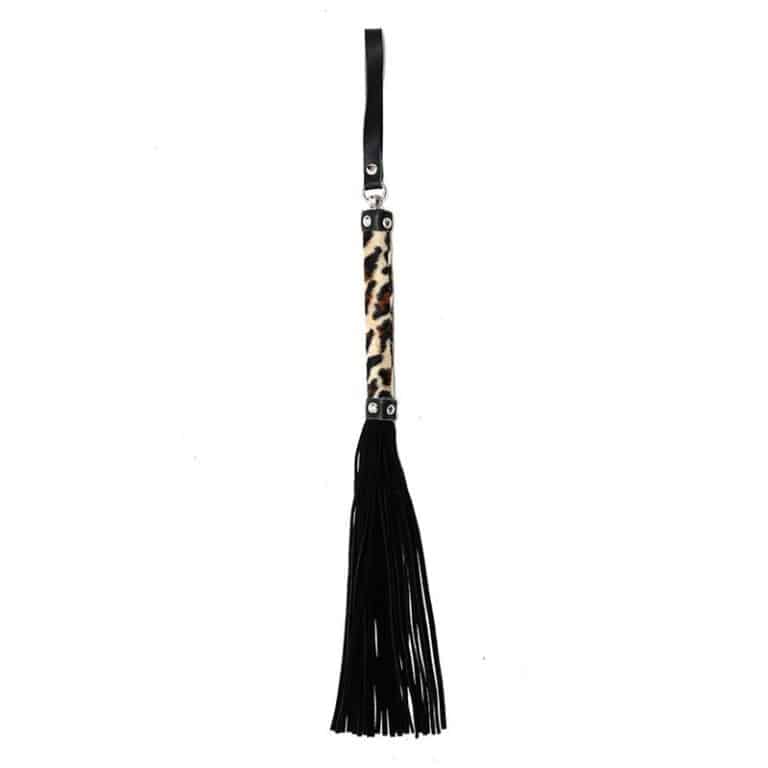
Flogger Leopard 44 cm

Original price was: EUR42,50.Current price is: EUR35,32.
-17%

Flogger Leopard 35 cm

Original price was: EUR24,50.Current price is: EUR20,34.
-18%

Whip 70 cm

Original price was: EUR25,95.Current price is: EUR21,30.
-17%

Flogger Leather 52 cm

Original price was: EUR30,95.Current price is: EUR25,58.
-40%

Bondage Kit with 8 Pcs with Storage Bag

Original price was: EUR87,75.Current price is: EUR52,66.
-40%

8 Piece Leather Bondage Kit with Storage Case

Original price was: EUR105,00.Current price is: EUR63,00.
-40%

Bondage Kit 8 pcs with Case

Original price was: EUR97,50.Current price is: EUR58,50.
-40%

7 pcs Bondage Set with Carry bag Red

Original price was: EUR40,50.Current price is: EUR24,30.
-40%

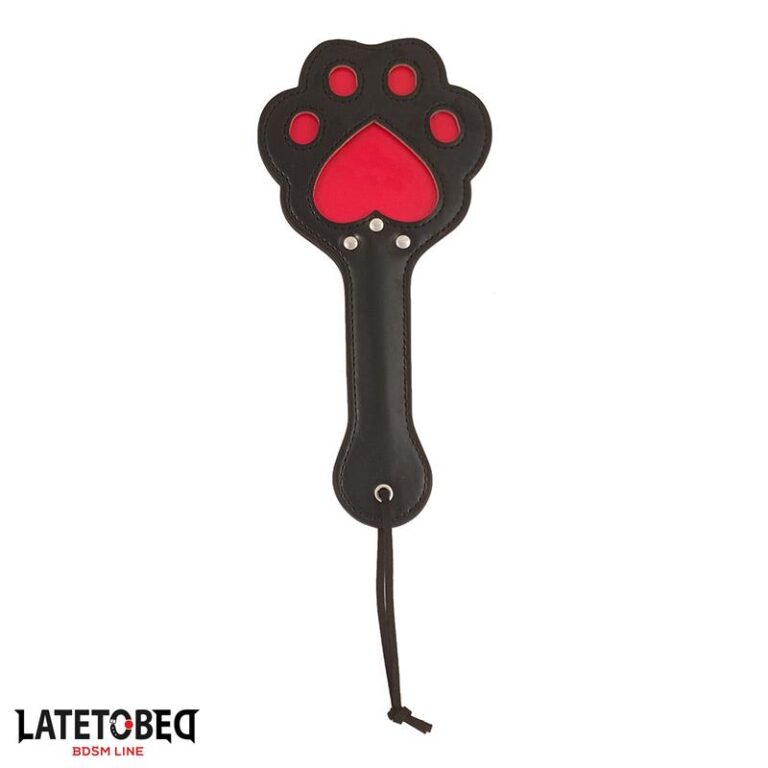
Cats paw paddle 39 cm

Original price was: EUR7,35.Current price is: EUR4,42.
-40%

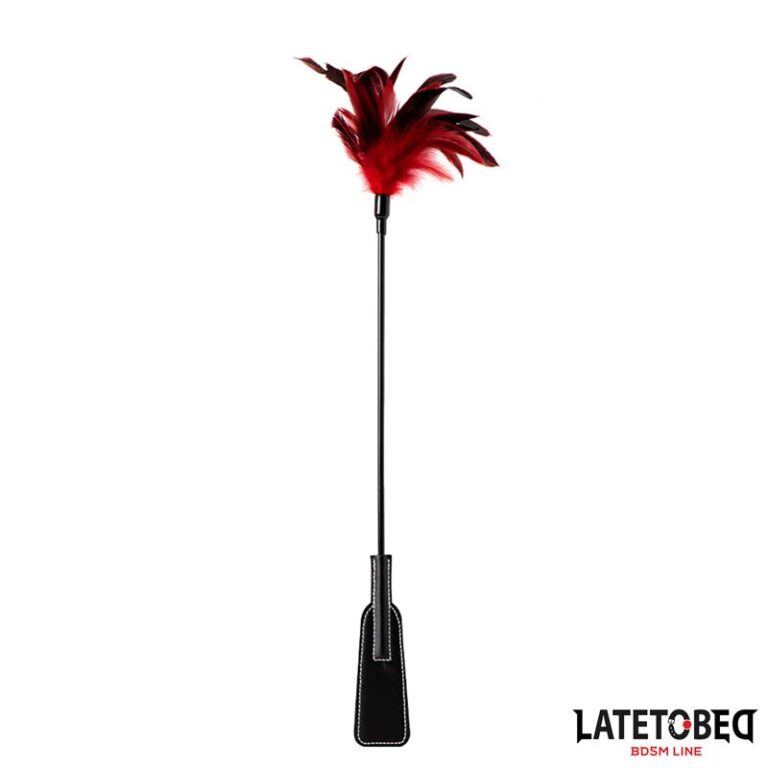
2-in-1 Paddle with feather

Original price was: EUR7,13.Current price is: EUR4,28.
-40%

Spanking Paddle 25.2 cm

Original price was: EUR17,25.Current price is: EUR10,36.
-40%

Bamboo paddle 34 cm

Original price was: EUR9,75.Current price is: EUR5,86.
-40%

Flogger 49 cm

Original price was: EUR4,58.Current price is: EUR2,76.
-40%

Gold Metal crop 30 cm

Original price was: EUR13,13.Current price is: EUR7,88.
-40%

Gold Metal crop 45 cm

Original price was: EUR14,25.Current price is: EUR8,56.
-40%

Gold Metal crop 60 cm

Original price was: EUR15,00.Current price is: EUR9,00.
-40%

Braided Flogger 85 cm

Original price was: EUR11,63.Current price is: EUR6,98.
-40%

Braided Flogger 64.5 cm

Original price was: EUR25,58.Current price is: EUR15,36.
-40%

Braided Flogger 49 cm

Original price was: EUR16,20.Current price is: EUR9,72.

Impact Play Builds Psychological Tension Through Rhythm, Anticipation & Controlled Release

Impact play changes the nervous system differently than continuous stimulation because tension builds through interruption instead of constant contact. Every pause matters. Every movement creates anticipation before sensation even arrives. The body stays mentally engaged because rhythm never fully stabilizes long enough for emotional certainty to take over. A slower buildup suddenly breaks with sharp focused impact. Silence stretches. Breathing changes automatically. The nervous system remains suspended between expectation and release throughout the entire experience.

This is what separates immersive impact play from repetitive striking without emotional pacing. Controlled rhythm creates escalating psychological pressure because the body starts reacting to anticipation itself instead of only physical contact. Sound becomes part of the tension. Movement becomes part of the tension. Even the delay before impact begins carrying emotional weight once the nervous system realizes timing may change at any moment.

Inside advanced fetish environments, broader impact patterns create layered rolling tension that spreads sensation gradually across larger muscular areas instead of concentrating everything into one immediate reaction point. The nervous system absorbs repeated rhythm differently because sensation lingers beneath the surface between strikes instead of disappearing instantly after contact.

More focused impact creates sharper emotional interruption because concentrated contact produces immediate muscular response and faster anticipation spikes. The body reacts instantly once rhythm becomes inconsistent and pacing shifts between slower buildup and sudden release. Even lighter controlled impact can feel psychologically intense once the nervous system loses complete timing certainty.

Precision rhythm intensifies anticipation even further because movement and sound begin affecting the nervous system before physical sensation arrives. The body reacts to the approach itself. Small pauses suddenly feel dramatically longer because the exact timing of contact remains uncertain until the final moment. That uncertainty creates escalation long before direct impact even happens.

Restriction amplifies impact immersion dramatically because movement normally gives the body subconscious ways to reduce incoming tension. Pairing impact play with structured restraint cuffs removes those adjustments and keeps muscular engagement fixed during escalation. The nervous system absorbs rhythm more directly because repositioning and physical release mechanisms become increasingly limited once restraint becomes part of the experience itself.

Sensory restriction intensifies this effect even more aggressively. Combining impact-focused setups with blindfold-based visual restriction removes timing certainty completely and forces the body to depend only on sound, muscular anticipation and expectation instead of sight. Every movement feels heavier. Every pause stretches emotionally. The nervous system remains mentally suspended because the next impact never feels fully predictable.

At advanced levels, impact play stops functioning as isolated sensation and evolves into a complete anticipation system where rhythm, sound, restraint and body awareness continuously reinforce one another. The strongest experiences rarely come from uncontrolled force alone. They come from psychological pacing precise enough to keep the nervous system emotionally engaged long before the next strike ever lands.

Different Impact Dynamics Create Completely Different Tension Patterns, Emotional Reactions & Sensory Escalation

Impact play becomes deeply immersive because the nervous system reacts differently to every shift in rhythm, surface area, movement and anticipation. Broad layered sensation creates one emotional response. Focused concentrated impact creates another entirely. The body keeps recalibrating because no single tension pattern remains stable long enough for emotional certainty to fully return. That constant variation keeps anticipation alive underneath every movement and pause.

This is what separates advanced impact play from repetitive striking without escalation. Broader impact sequences spread muscular engagement gradually across larger body areas and create rolling tension that lingers beneath the surface after contact. Focused impact interrupts that slower pacing instantly by creating sharper muscular response and faster anticipation spikes. The nervous system stays mentally engaged because rhythm continuously changes how the body processes incoming sensation.

Inside immersive fetish environments, restraint and positioning dramatically influence how impact tension develops. Pairing controlled rhythm with structured restraint cuffs keeps muscular engagement fixed during escalation and prevents subconscious repositioning from diffusing incoming sensation away from highly responsive areas.

Body positioning intensifies anticipation even further because posture directly affects muscular awareness and emotional vulnerability throughout impact sequences. Using body control harness systems creates controlled positioning where slower rhythm variation suddenly feels dramatically heavier once movement becomes restricted and tension remains centered across the same areas continuously.

Precision timing creates another entirely different psychological effect because the nervous system reacts to uncertainty before physical sensation even arrives. Small pauses stretch emotionally. Movement itself becomes part of the anticipation cycle. The body begins reacting to delayed timing, sound and expectation continuously because the exact moment of release never feels fully predictable during escalation.

Restriction amplifies this dramatically because movement normally allows the body subconscious ways to reduce incoming tension. Combining impact-focused setups with bondage rope restraint creates slower controlled positioning where anticipation keeps building through stillness, posture awareness and delayed rhythm variation instead of constant movement and release.

Sensory restriction intensifies psychological immersion even further. Pairing impact play with blindfold-driven visual limitation removes timing certainty completely and forces the body to depend only on sound, muscular anticipation and expectation instead of sight. Silence suddenly becomes emotionally loaded because the nervous system can no longer visually prepare for incoming rhythm changes.

At advanced levels, impact play evolves into a complete sensory pacing system where restraint, anticipation, posture and rhythm continuously reinforce one another. The strongest experiences rarely depend on overwhelming force. They depend on tension variation, controlled escalation and psychological timing precise enough to keep the nervous system mentally engaged between every movement and strike.

Restriction, Sensory Uncertainty & Rhythm Control Transform Impact Play Into Full Psychological Immersion

Impact play becomes psychologically consuming once anticipation starts affecting the body before contact even happens. The nervous system reacts continuously to movement, posture, delayed timing and uncertainty, which means tension keeps building underneath every pause instead of disappearing between strikes. A slower approach suddenly feels heavier emotionally. Small sounds change breathing instantly. Even restrained stillness begins carrying pressure once rhythm becomes unpredictable and the body loses complete timing certainty.

This changes the entire emotional structure of impact play. Instead of isolated reactions appearing independently, anticipation itself becomes part of the sensation. Silence creates tension. Delayed movement creates tension. Controlled pacing creates tension because the nervous system starts reacting to expectation as strongly as direct physical impact. The body remains mentally engaged continuously because rhythm never stabilizes long enough for emotional certainty to fully return.

Inside immersive fetish environments, broader rhythmic impact creates rolling layered tension that spreads gradually across larger muscular areas and builds immersive anticipation over time. The nervous system processes repeated rhythm differently because sensation lingers beneath the surface between strikes instead of disappearing immediately after contact.

More concentrated impact creates sharper emotional interruption because focused contact produces immediate muscular response and faster anticipation spikes. The body reacts aggressively once rhythm shifts between slower buildup and sudden release because pacing never settles into fully predictable repetition. Even lighter controlled sequences can feel psychologically overwhelming once uncertainty becomes part of the escalation itself.

Precision movement intensifies anticipation even further because sound and motion affect the nervous system before physical sensation even arrives. Small pauses suddenly stretch emotionally because the exact moment of impact remains unresolved until the final instant. That uncertainty creates layered psychological escalation where expectation itself becomes a constant source of tension.

Restriction amplifies this dramatically because movement normally allows the body subconscious ways to soften incoming sensation. Pairing impact-focused setups with structured restraint cuffs removes those physical adjustments entirely and keeps muscular engagement fixed throughout escalation. The nervous system absorbs rhythm and anticipation more directly because repositioning and physical release mechanisms become increasingly limited.

Controlled positioning intensifies immersion even further because posture directly shapes muscular awareness and emotional vulnerability during impact sequences. Using body posture restraint systems or bondage rope positioning creates slower escalating tension where anticipation builds through stillness, restricted movement and delayed rhythm variation simultaneously.

Sensory restriction amplifies psychological immersion even more aggressively once visual orientation disappears. Combining impact play with blindfold-based sensory restriction removes timing certainty completely and forces the body to depend only on sound, muscular anticipation and expectation instead of sight. Every movement suddenly feels loaded. Silence becomes emotionally active. The nervous system remains mentally suspended because incoming impact never feels fully predictable once visual preparation disappears.

Advanced Impact Play Depends on Escalation, Timing Precision & Continuous Psychological Control

The strongest impact experiences are rarely built through force alone. They are built through escalation. Controlled rhythm changes how the nervous system processes anticipation because tension keeps building underneath every pause, delayed movement and restrained moment of silence. The body stops reacting only to physical contact and begins responding to expectation itself. A slower approach suddenly feels emotionally heavy. Small movements change breathing instantly. Even complete stillness becomes psychologically loaded once timing uncertainty takes control of the pacing structure.

That continuous anticipation transforms impact play into a connected sensory environment instead of isolated reactions separated by recovery. The nervous system never fully resets because emotional tension remains active between every sequence. Rhythm variation prevents psychological adaptation from stabilizing while escalation gradually increases muscular awareness and emotional vulnerability throughout the experience. The body stays mentally engaged because pacing never remains predictable long enough for certainty to fully return.
Inside immersive fetish environments, broader rhythmic impact creates layered muscular engagement that spreads gradually across larger body areas and builds rolling tension beneath the surface over time. The nervous system processes repeated pacing differently because sensation lingers between sequences instead of disappearing instantly after contact. Slower escalation often feels psychologically heavier because anticipation remains active continuously underneath every delayed rhythm change.

More concentrated impact creates sharper emotional interruption because focused contact produces faster muscular response and immediate anticipation spikes. The body reacts aggressively once pacing shifts between slower buildup and sudden release because rhythm never stabilizes into completely predictable repetition. Even lighter controlled sequences can feel psychologically consuming once escalation depends on uncertainty instead of force alone.

Precision movement intensifies anticipation even further because sound and motion affect the nervous system before physical sensation even arrives. Small pauses stretch emotionally because the exact timing of release remains unresolved until the final moment. That psychological suspension creates escalation long before direct impact actually occurs and keeps the body mentally engaged throughout every phase of anticipation.

Restriction amplifies this dramatically because movement normally allows the body subconscious ways to diffuse incoming tension. Pairing impact-focused setups with structured restraint cuffs removes those physical adjustments and keeps muscular engagement fixed during escalation. Controlled positioning through body posture harness systems or bondage rope restraint intensifies anticipation further because posture itself becomes part of the sensory structure.

Sensory uncertainty amplifies immersion even more aggressively once visual orientation disappears. Combining impact-focused setups with blindfold-driven sensory restriction removes timing certainty completely and forces the nervous system to depend entirely on sound, muscular anticipation and expectation instead of sight. Every silence becomes emotionally loaded because the next movement or strike never feels fully predictable once visual preparation disappears.

At advanced levels, impact play evolves into a complete psychological pacing system where rhythm, restraint, posture control and sensory uncertainty continuously reinforce one another. The deepest experiences rarely depend on overwhelming force. They depend on escalation structured carefully enough that the nervous system remains emotionally suspended between every movement, pause and strike from beginning to end.

FAQ – Impact Play, Rhythm Control & Psychological Escalation

Why does anticipation feel so powerful during impact play?

Anticipation becomes powerful during impact play because the nervous system reacts to uncertainty long before physical contact even happens. Small movements, delayed timing and controlled pauses immediately change breathing, muscular tension and emotional focus. The body begins preparing for incoming sensation continuously because rhythm never feels completely predictable once escalation starts building through pacing instead of constant contact.

This creates a psychological structure where expectation itself becomes part of the sensation. Silence suddenly carries emotional weight. Slower movement increases tension. Even restrained stillness feels active because the nervous system remains suspended between anticipation and release without knowing exactly when impact may arrive.

Combining structured restraint cuffs with blindfold-based sensory restriction and bondage rope positioning intensifies anticipation because movement, posture and visual certainty become restricted simultaneously.
How does rhythm affect emotional escalation during impact play?

Rhythm controls emotional escalation because the nervous system constantly searches for predictable pacing patterns during sensory experiences. Once timing becomes inconsistent, anticipation increases dramatically because the body can no longer fully prepare for incoming sensation. Slow pauses suddenly feel heavy. Faster sequences interrupt emotional stability instantly. Sudden silence forces anticipation to rebuild from a completely different psychological position.
This continuous variation prevents emotional repetition from flattening immersion over time. The body stays mentally engaged because rhythm never stabilizes long enough for certainty to fully return. Even lighter impact can feel psychologically intense once pacing itself becomes unpredictable and emotionally loaded.

Pairing body posture harness systems with fixed restraint positioning and visual sensory limitation creates evolving escalation where rhythm and uncertainty continuously reinforce one another.

Why does restraint intensify impact sensation?

Restriction intensifies impact sensation because movement normally allows the body subconscious ways to diffuse incoming tension. Small posture adjustments naturally reduce muscular engagement and redirect focus away from highly responsive areas. Once restraint removes those adjustments, the nervous system absorbs rhythm and anticipation far more directly because release mechanisms become increasingly limited during escalation.

This changes emotional pacing dramatically. Muscles remain partially activated between impact sequences. Anticipation continues building because repositioning no longer fully resets tension underneath the surface. Even slower controlled rhythm suddenly feels psychologically heavier once the body realizes movement itself has become restricted.

Combining structured restraint cuffs with body control harness systems and bondage rope positioning creates layered tension where posture, rhythm and anticipation continuously reinforce each other.

How do blindfolds increase psychological intensity during impact play?

Blindfolds increase psychological intensity because they remove the nervous system’s ability to visually predict movement, timing and rhythm changes. Once sight disappears, the body becomes dependent entirely on sound, posture awareness and expectation instead of visual preparation. Every movement suddenly feels heavier because anticipation can no longer resolve itself through certainty.

This transforms emotional pacing completely. Silence becomes active tension instead of neutral space. Small pauses stretch emotionally because the nervous system keeps preparing for impact without knowing exactly when release may happen. Even lighter controlled sequences can feel psychologically consuming once timing uncertainty becomes constant throughout escalation.

Pairing blindfold-based sensory restriction with restraint-focused positioning and controlled posture systems creates dramatically deeper anticipation because timing and movement become impossible to visually predict.

Why do slower impact sequences sometimes feel more intense?

Slower impact sequences often feel more psychologically intense because anticipation has time to fully develop between each moment of contact. The nervous system remains suspended inside expectation instead of moving rapidly from one reaction to the next. Silence becomes emotionally active. Muscles tighten automatically while waiting. Small movements suddenly feel loaded because release may arrive at any unpredictable moment.

Faster sequences can overwhelm the body physically, but slower rhythm creates deeper emotional pressure because tension continues building underneath every pause instead of resolving quickly. The nervous system stays mentally engaged continuously because pacing itself becomes part of the escalation.

Combining bondage rope restraint with fixed restraint positioning and blindfold-driven anticipation control intensifies slower pacing because stillness and uncertainty continuously reinforce each other.

How does posture control change the impact experience?

Posture control changes the impact experience because muscular positioning directly affects how the nervous system processes incoming sensation. Different body positions create different tension patterns, emotional vulnerability and anticipation loops throughout escalation. Even small posture adjustments can dramatically reshape how rhythm and impact are absorbed across the body.

Once posture remains controlled during escalation, anticipation becomes significantly stronger because the body loses natural ways to diffuse incoming tension through movement. Muscles stay partially engaged between sequences. Emotional pressure continues building because posture itself becomes part of the sensory structure instead of neutral positioning.

Combining body posture harness systems with bondage rope positioning and structured restraint cuffs creates immersive escalation where posture, anticipation and muscular awareness continuously intensify one another.

Why does uncertainty make impact play feel more immersive?

Uncertainty changes the nervous system dramatically because the body reacts more intensely when timing and rhythm cannot be fully predicted. Once anticipation replaces certainty, every movement suddenly feels emotionally loaded. Small pauses stretch longer psychologically. Silence becomes active tension instead of empty space. The nervous system remains mentally engaged because it keeps preparing for incoming sensation without knowing exactly when release may happen.

This creates deeper immersion because expectation itself becomes part of the sensory experience. The body starts reacting to posture shifts, movement and delayed timing continuously instead of only responding to direct impact. Even slower controlled pacing can feel psychologically overwhelming once uncertainty becomes integrated into escalation itself.

Combining blindfold-based sensory restriction with fixed restraint cuffs and bondage rope positioning intensifies uncertainty because movement, posture and timing become impossible to fully predict.

How does sound influence anticipation during impact play?

Sound becomes psychologically powerful during impact play because the nervous system reacts to auditory signals before physical sensation even arrives. Movement through the air, shifting restraint or delayed pacing instantly changes breathing patterns and muscular tension. The body begins preparing emotionally before contact actually happens because sound itself becomes part of the anticipation cycle.

This layered sensory structure creates much deeper immersion than direct sensation alone. Small pauses after movement or sound cues suddenly feel emotionally heavy because the nervous system keeps waiting for release while timing remains unresolved. Even silence becomes psychologically active once auditory expectation begins shaping anticipation continuously.

Pairing visual sensory restriction with body posture harness systems and controlled restraint positioning intensifies sound-based anticipation because auditory awareness becomes the primary timing signal during escalation.

Can lighter impact still create strong psychological intensity?

Absolutely. Psychological intensity rarely depends entirely on force. Controlled pacing, anticipation and uncertainty often create far deeper immersion than overwhelming sensation alone. Lighter impact becomes extremely powerful once the nervous system remains mentally suspended inside expectation for longer periods instead of receiving immediate predictable release.

Small pauses suddenly matter more. Slower movement feels emotionally heavier. Even controlled lighter sequences can feel psychologically consuming once rhythm becomes inconsistent and anticipation keeps rebuilding underneath silence and restraint. The body reacts continuously because emotional tension never fully disappears between escalation phases.

Combining body posture restraint systems with bondage rope positioning and blindfold-driven anticipation control creates escalating immersion without relying entirely on stronger physical intensity.

Why do posture and restraint create stronger body awareness?

Posture and restraint create stronger body awareness because controlled positioning forces the nervous system to focus continuously on muscular tension, breathing and anticipation instead of diffusing sensation through movement. Once posture becomes fixed, even small changes in rhythm suddenly feel dramatically more intense because the body absorbs escalation through the same engaged muscular areas repeatedly.

This changes emotional pacing significantly. Muscles remain partially activated between impact phases. Anticipation keeps building because the body can no longer fully reset tension through repositioning or unconscious movement. Posture itself becomes psychologically active once restraint transforms stillness into part of the escalation structure.

Combining structured restraint cuffs with body posture harness systems and controlled rope positioning creates layered body awareness where muscular engagement and anticipation continuously intensify one another.

Why does controlled pacing feel more immersive than repetitive impact?

Controlled pacing feels more immersive because the nervous system quickly adapts to repetitive predictable patterns. Once rhythm becomes stable, emotional intensity gradually weakens because the body fully understands what is coming next. Controlled pacing interrupts that adaptation continuously by reshaping anticipation through pauses, delayed timing and changing rhythm structures.

This keeps the nervous system emotionally engaged for much longer periods. Slow buildup suddenly shifts into faster sequences. Silence interrupts escalation unexpectedly. Anticipation keeps rebuilding because certainty never fully stabilizes. The body reacts continuously to emotional pacing instead of only direct physical sensation.

Combining fixed restraint positioning with visual sensory restriction and controlled posture systems creates evolving escalation where pacing itself becomes the core psychological driver of immersion.

What creates the deepest psychological immersion during impact play?

The deepest psychological immersion usually comes from anticipation, restraint, sensory uncertainty and rhythm variation reinforcing one another continuously instead of force alone. Once the nervous system loses complete timing certainty, every movement becomes emotionally loaded. Silence creates pressure. Posture affects tension. Even restrained stillness becomes part of the escalation itself.

This creates a fully connected sensory environment where the body reacts continuously instead of only during direct impact. Emotional pacing evolves through delayed timing, posture control and uncertainty instead of repetitive sensation patterns. The nervous system stays mentally engaged because anticipation never fully resolves itself between escalation phases.

Combining structured restraint cuffs with bondage rope restraint and blindfold-driven sensory restriction creates layered escalation where posture, anticipation and uncertainty continuously intensify one another from beginning to end.