
Product categories
- Women
- Men
- Couples
- Fetish
- Lingerie
- Funny sextoys
- Offers
Filter by price
🛡️ BODY-SAFE PRODUCTS
🔒 SECURE PAYMENT
📦 DISCREET SHIPPING
Hybrid Lubricants – Solving The Water Versus Silicone Trade-Off
Water-based lubricants evaporate. Silicone-based lubricants damage silicone toys. These are the two fundamental limitations of single-base formulations — and they force couples into a compromise: choose longevity (silicone) and sacrifice toy compatibility, or choose compatibility (water) and accept the need for frequent reapplication. A hybrid lubricant attempts to eliminate this trade-off by combining both bases in a single formulation — typically 85-95% water base with 5-15% silicone added. The silicone component provides a persistent friction-reducing layer that remains after the water content evaporates, while the predominantly water base maintains easier cleanup and generally improved compatibility with silicone toys compared to pure silicone lubricant. The result is a formulation that lasts significantly longer than water-based alone without the full material incompatibility of pure silicone.
The engineering challenge of a hybrid formulation is stability. Water and silicone do not naturally mix — they are immiscible (incapable of forming a uniform solution). Creating a stable hybrid requires emulsification technology: surfactant molecules (compounds with one water-attracting end and one silicone-attracting end) that hold the two phases together in a uniform suspension. Without effective emulsification, the product separates into layers — silicone floating on top of the water base — rendering it unusable. Quality hybrid lubricants use sophisticated emulsifier systems that maintain uniform distribution indefinitely, ensuring that every application delivers the same water-to-silicone ratio regardless of how long the bottle has been stored. Cheaper formulations may use simpler emulsifiers that allow gradual separation over time — shaking before use can temporarily re-mix them, but the consistency of each application varies.
The silicone percentage determines the hybrid’s behaviour profile. At the lower end (5-8% silicone): the lubricant behaves mostly like water-based — similar feel, similar cleanup, slightly longer lasting before requiring reapplication. Toy compatibility at this concentration is generally good for most silicone toys, though testing on a small area remains advisable. At the higher end (12-15% silicone): the lubricant behaves more like silicone — silkier feel, significantly longer lasting, but cleanup requires more than just water and toy compatibility becomes less certain. Most commercial hybrids fall in the 8-12% range — the sweet spot where longevity improvement is meaningful but the formulation still rinses with water and remains compatible with the majority of silicone toy surfaces.
For pure water-based options with maximum toy compatibility, Water-Based Lubricants covers glycerin-free and sensitive formulations. For maximum longevity without reapplication, Silicone-Based Lubricants provides the longest-lasting option. For anal use where longevity is critical, Anal Lubricants covers thicker, longer-lasting formulations. The parent Lubricants section provides the complete base-system comparison.
Showing all 11 resultsSorted by popularity

Fisting Lubricant Water and Silicone Base 2 en1 500 ml
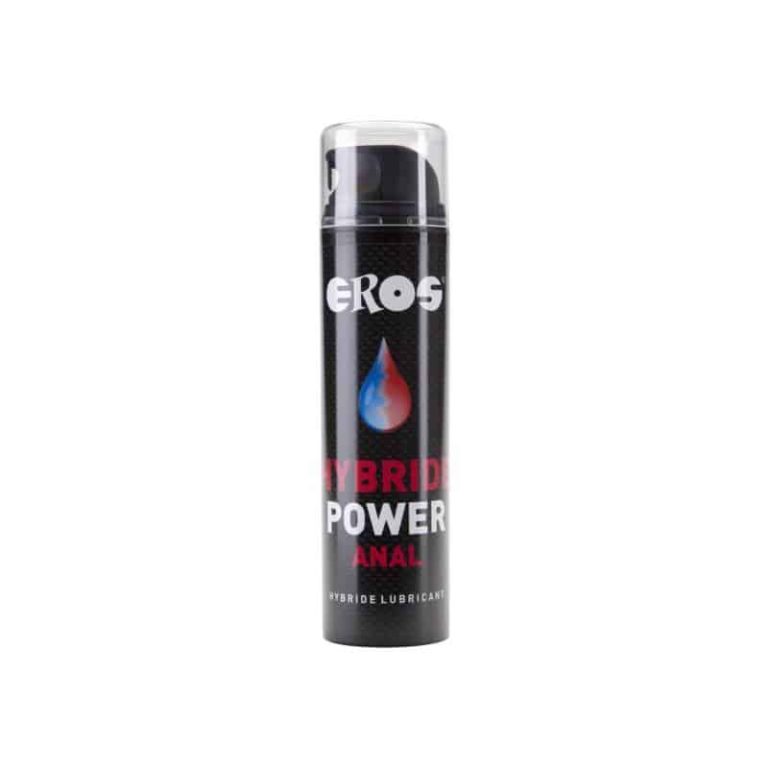
Hybride Lubricant Anal Power 200 ml
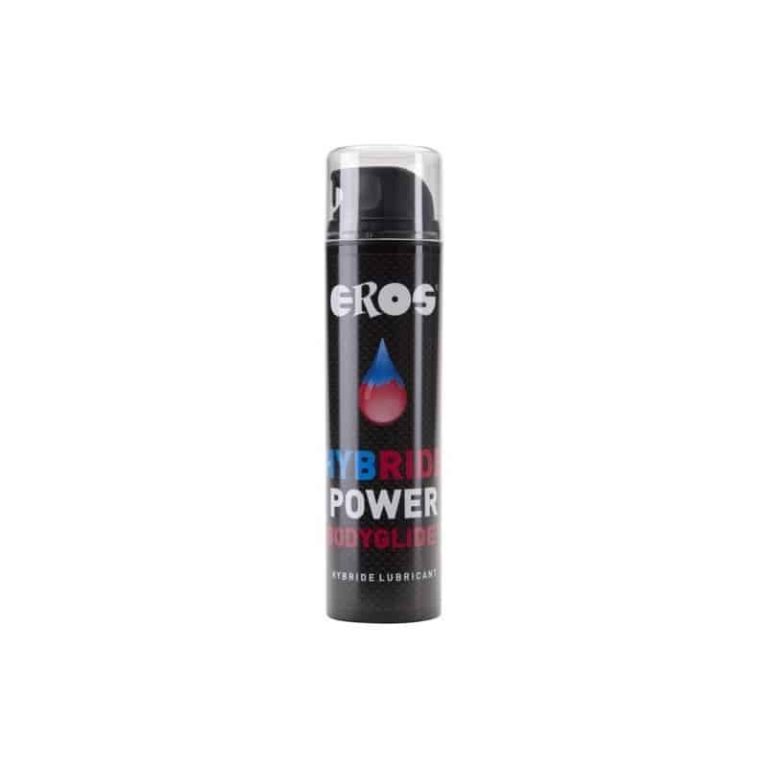
Hybride Power Bodyglide 200 ml
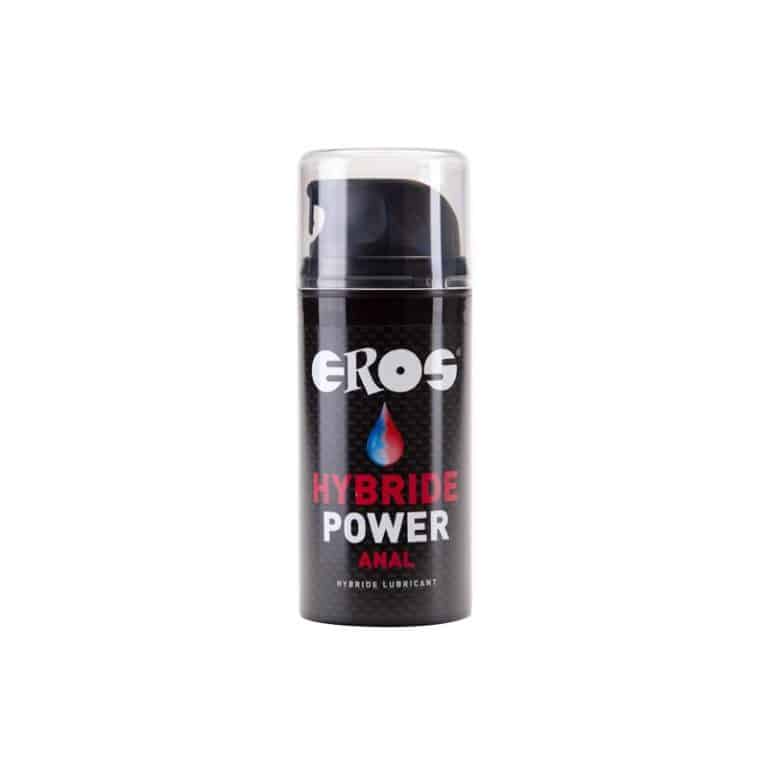
Lub Hybride Power Anal 100 ml

Secret Play Hybrid Lubricant

Hybrid and CBD Lubricant 100 ml

Insane Arousal Glide Original 125 ml

Insane Arousal Glide Cherry Pop 125 ml
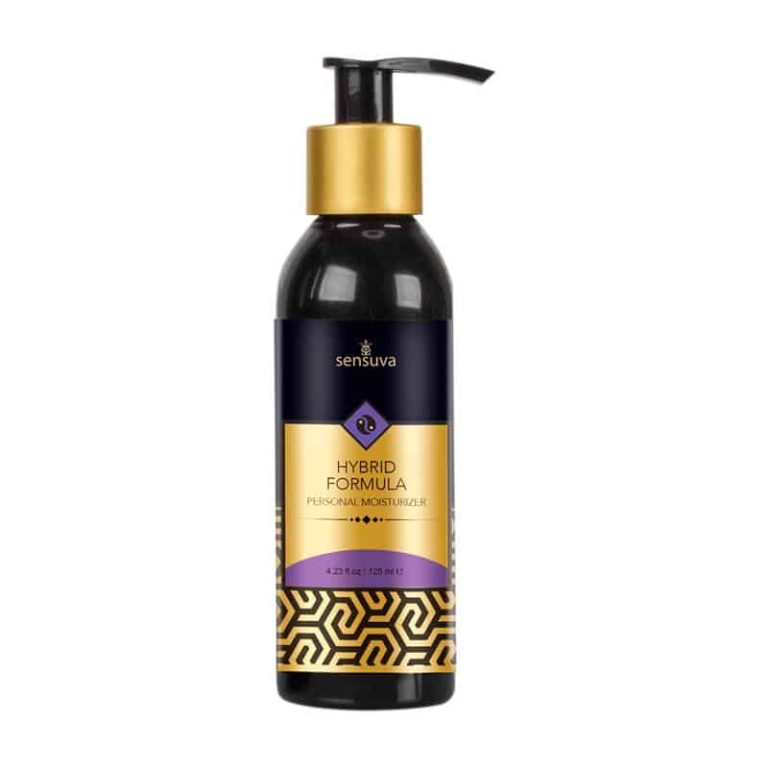
Hybrid Lubricant Unscented 125 ml

Hybride Power Bodylube 100 ml

Hybrid Lubricante Uscented 57 ml
How Hybrid Formulations Behave During Use
The dual-phase behaviour of a hybrid lubricant creates a distinctive use experience. Initially: the water phase provides familiar, natural-feeling lubrication similar to the body's own moisture — thin, spreading easily, and feeling almost indistinguishable from a quality water-based product. As the session continues: the water content gradually evaporates (as it would with any water-based lubricant), but instead of becoming sticky or tacky, the silicone component remains — providing a thinner but still effective friction-reducing layer. This "second phase" feels different from the initial application — silkier, slightly less wet, but still slippery. Many users describe the transition as barely noticeable — the lubricant simply continues working rather than obviously changing character.
Reactivation with water is a key advantage hybrids share with water-based formulations. If the lubricant begins to feel less effective during a session: adding a small amount of water (a few drops from wet fingers, saliva, or a spray bottle) rehydrates the water-soluble components and restores the initial slippery sensation without requiring a full new application. This reactivation works because the silicone component never left — it remained on the surface providing baseline friction reduction — and the added water simply restores the water phase around it. Pure silicone lubricants cannot be reactivated this way (they contain no water-soluble components to rehydrate), and pure water-based lubricants that have fully dried may require a complete new application rather than simple reactivation.
Toy Compatibility — The Nuanced Reality
The relationship between hybrid lubricants and silicone toys is more nuanced than the simple "silicone damages silicone" rule suggests. The degradation risk depends on: the concentration of silicone in the hybrid (lower = safer), the quality of the toy's silicone (higher-grade platinum-cured silicone is more resistant to surface interaction), and the duration of contact (brief use carries less risk than leaving lubricant on a toy surface for hours). Many couples use hybrid lubricants with quality silicone toys without experiencing any surface degradation — but this is not guaranteed for all product combinations.
The recommended approach: perform a spot test before first use. Apply a small amount of the hybrid lubricant to an inconspicuous area of the toy (the base or an area that does not contact the body). Leave it for 10-15 minutes, then wipe clean and check the surface. If the surface feels unchanged (smooth, not tacky or rough): the combination is likely safe for regular use. If the surface feels different (sticky, softened, or rough): that specific lubricant-toy combination is incompatible, and you should use a pure water-based lubricant with that toy instead. This test takes minutes but can prevent permanent damage to an expensive silicone toy. Once a combination passes the spot test: it can generally be used with confidence going forward, as the interaction (or lack thereof) is consistent between uses.
Frequently Asked Questions
1. How long does a hybrid lubricant last compared to water-based?
Most users find that hybrid lubricants last approximately 2-3 times longer than pure water-based formulations before requiring reapplication — though exact duration depends on the specific product's silicone percentage, the activity intensity, and environmental factors (temperature, airflow). A water-based lubricant that requires reapplication every 10-15 minutes during active penetration may last 25-40 minutes in hybrid form. The improvement is most noticeable during extended sessions — for brief encounters, the difference may be minimal. The hybrid does not last as long as pure silicone (which essentially never requires reapplication during a single session), but it significantly reduces the frequency of interruptions compared to water-based alone.
2. Can I use hybrid lubricant with condoms?
Yes — hybrid lubricants are compatible with all condom types (latex, polyisoprene, and polyurethane). The silicone component does not degrade condom materials — only oil-based products damage latex. Both the water and silicone components in a hybrid formulation are condom-safe. This makes hybrids a practical choice for couples who use condoms and want longer-lasting lubrication than water-based alone provides — they get the longevity benefit of silicone without any condom compatibility concerns. Apply lubricant to the outside of the condom after it is in place (not between the condom and the penis, which can cause slippage).
3. Does hybrid lubricant feel different from water-based?
Initially: most hybrids feel very similar to water-based — wet, natural, and familiar. The silicone component at typical concentrations (8-12%) is not immediately obvious to most users. As the session progresses: the difference becomes more apparent. Where a water-based lubricant would begin to feel tacky or dry, the hybrid maintains a silky residual slip from the silicone component. Some users describe this as "smoother" or "silkier" than pure water-based — particularly in the later stages of a session. The feel is a middle ground: not as wet and natural as fresh water-based, not as slick and persistent as pure silicone, but a comfortable blend that many couples prefer to either extreme.
4. How do I clean up hybrid lubricant?
Easier than silicone, slightly more effort than water-based. The water-soluble components rinse away with water — but the silicone residue may leave a slight slippery feeling on skin that water alone does not fully remove. A brief wash with mild soap removes the silicone component completely. For sheets and fabrics: hybrid lubricant is less likely to stain than pure silicone (the lower silicone concentration means less oily residue) but may still leave marks on light fabrics if not washed promptly. For toys: wash with warm water and soap after use — the soap breaks down the silicone residue that water alone may not fully remove. Overall: cleanup is closer to the water-based experience than the silicone experience — one of the primary reasons couples choose hybrids over pure silicone.
5. Is hybrid lubricant safe for anal use?
Yes — and the longer-lasting properties make hybrids particularly well-suited for anal use, where the absence of natural lubrication means the applied lubricant must do all the work. The silicone component provides sustained friction reduction even as the water content is absorbed or displaced — reducing the frequency of reapplication compared to water-based anal lubricants. However: for extended or vigorous anal sessions, a dedicated anal lubricant (thicker viscosity, designed specifically for the demands of anal penetration) may still outperform a general-purpose hybrid. Hybrids work well for anal play that is moderate in duration and intensity — for marathon sessions, consider a thicker dedicated product or pure silicone.
6. Why does my hybrid lubricant separate in the bottle?
Water and silicone are naturally immiscible (they do not mix without help) — the emulsifier system holds them together. If separation occurs: the emulsifier may be degrading (product past its shelf life), the product may have been stored in extreme temperatures (heat can break emulsions), or the formulation may use a less stable emulsifier system. Solution: shake the bottle vigorously before each use to re-mix the phases. If the product re-separates quickly after shaking (within minutes rather than staying mixed for hours or days): the emulsion has likely broken permanently and the product should be replaced. Quality hybrids from established brands use emulsifier systems that maintain stability for the product's entire shelf life — persistent separation in a recently purchased product may indicate a manufacturing defect worth contacting the retailer about.
7. Can I add water to reactivate a hybrid lubricant during use?
Yes — this is one of the key advantages of hybrid over pure silicone. Adding a few drops of water (from wet fingers, saliva, or a spray bottle) rehydrates the water-soluble components and restores the initial wet, slippery sensation. The silicone component remains on the surface throughout — the water simply adds back the "wet" feeling that evaporated. This reactivation can be repeated multiple times during a session without applying new lubricant from the bottle — extending the effective life of a single application significantly. Pure silicone lubricants cannot be reactivated this way (adding water to silicone creates a temporary emulsion that separates quickly), and dried water-based lubricants may require a full new application rather than simple rehydration.
8. Are hybrid lubricants safe for oral sex?
Most hybrid lubricants are body-safe if incidentally ingested in small amounts — the silicone component (dimethicone/polydimethylsiloxane) is the same compound used in many food-grade applications and cosmetics. However: hybrids are not specifically formulated for oral palatability — they may have a slightly chemical or neutral taste that is not unpleasant but not enjoyable either. For oral sex where taste matters: choose a dedicated flavoured lubricant (water-based, designed specifically for oral use) rather than a hybrid. If oral contact with a hybrid-lubricated area happens incidentally during sex: this is not a safety concern — simply not an optimised taste experience. Rinse the area or switch to a flavoured product if transitioning to extended oral activity.
9. How do I choose between hybrid and pure silicone?
Choose hybrid if: you use silicone toys (better compatibility than pure silicone), you prefer easier cleanup (rinses mostly with water), you want a more natural initial feel (the water phase mimics natural moisture), or you want the option to reactivate with water during use. Choose pure silicone if: you need maximum longevity without any reapplication (silicone never dries), you have sex in water (hybrids still lose their water phase in the shower), you do not use silicone toys, or you prefer the distinctive silky feel that only pure silicone provides. The practical difference: hybrids are the versatile middle ground that works acceptably in most situations, while pure silicone excels in specific scenarios (water play, marathon sessions, anal) where its unique properties are most valuable.
10. Do hybrid lubricants contain glycerin?
Some do, some do not — check the ingredient list of the specific product. Glycerin is a common humectant (moisture-retaining ingredient) in the water phase of hybrid formulations — it helps maintain the wet feeling and adds a slightly sweet taste. However: glycerin can contribute to yeast infections in individuals who are prone to them (glycerin is a sugar alcohol that yeast can metabolise). For those with a history of recurrent yeast infections: choose a glycerin-free hybrid formulation. Many brands now offer glycerin-free options specifically for sensitive users. The silicone component of a hybrid does not interact with vaginal flora — it is the water-phase ingredients (glycerin, preservatives, pH adjusters) that determine biological compatibility with the vaginal environment.
Our Product & Trust Standards
Products curated within this category are evaluated within erotica-shop.eu’s framework for material considerations, product integrity, editorial standards, and customer privacy.
Material Standards: Learn about our material selection criteria, chemical compliance considerations, and product-safety standards. Read Material Safety Standards →