🚚 FAST EU DELIVERY
🛡️ BODY-SAFE MATERIALS
🔒 SECURE PAYMENT
📦 DISCREET SHIPPING

Ball Stretchers – Weight, Pressure & Controlled Tension

Weighted restraint, prolonged pull and immersive pressure designed to intensify physical awareness and slower pacing

Ball stretchers create a completely different kind of body awareness because the tension remains physically active during movement, posture shifts and slower pacing instead of appearing only during direct stimulation. The body keeps reconnecting with the pull continuously. Walking changes subtly. Positioning changes. Even stillness starts carrying pressure once the weight settles deeply enough into the restraint. Inside larger fetish collections, ball stretchers stand apart through prolonged tension, weighted pressure and restraint-focused control rather than aggressive intensity alone.

That slower pressure changes anticipation immediately. Leather stretchers create softer prolonged tension and flexible pressure during extended wear, while heavier metal designs reinforce fixed pull and stronger physical awareness through stable weighted restraint. Smaller movements suddenly feel amplified once the body realizes the tension remains physically active continuously instead of fading naturally between movements. The rhythm sharpens there. Heavy. Controlled. Constant.

Restriction layering intensifies the atmosphere dramatically. Removing visual orientation through blindfold-focused sensory limitation forces the body to process pull, pressure and anticipation without visual pacing cues interrupting the tension. Pairing weighted stretchers with structured restraint systems deepens the immersion even further because movement freedom narrows while the weighted pressure remains physically connected to every posture adjustment. Then even smaller movements begin carrying disproportionate physical weight.

Showing all 27 resultsSorted by popularity

-17%

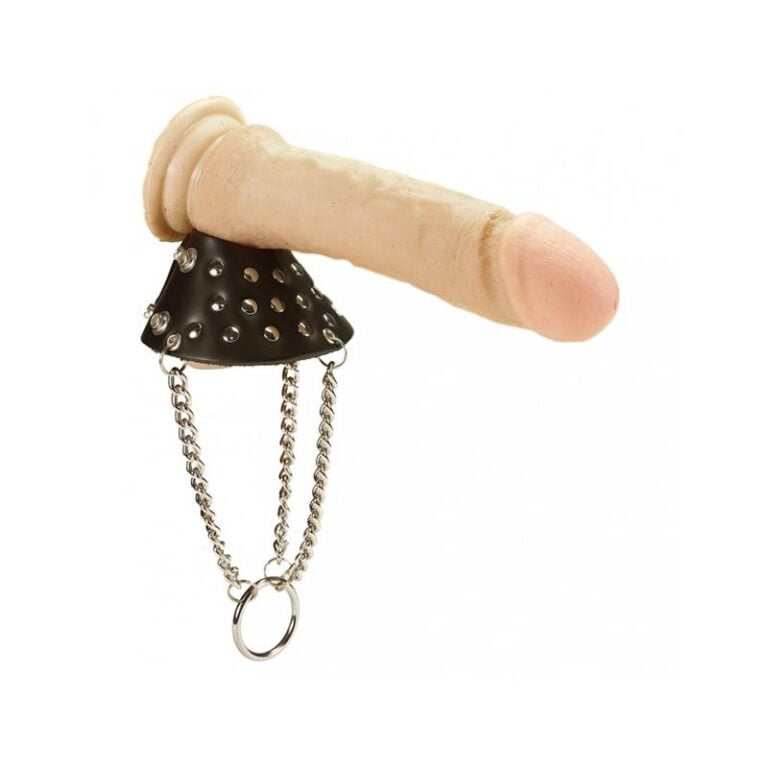
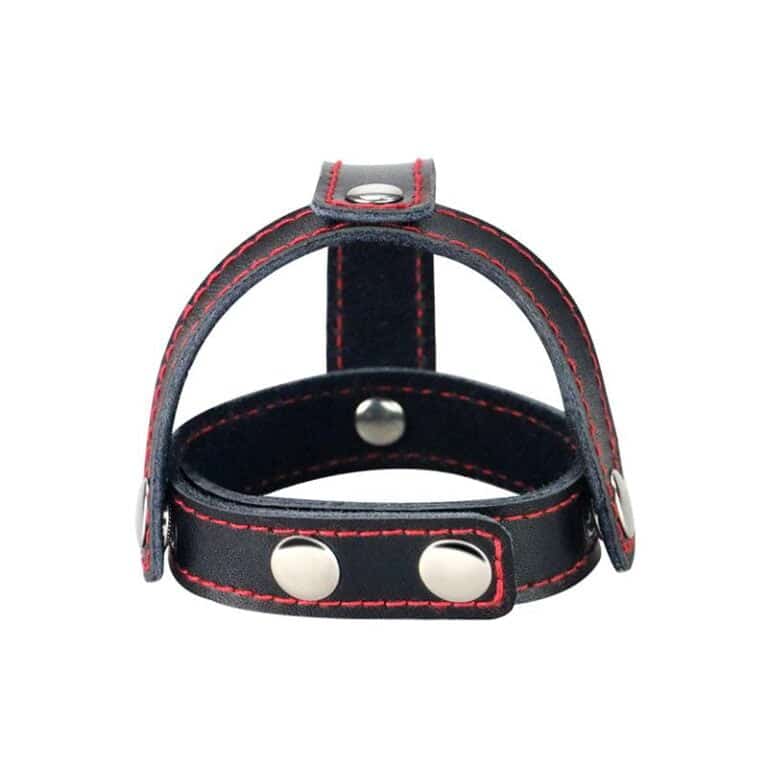
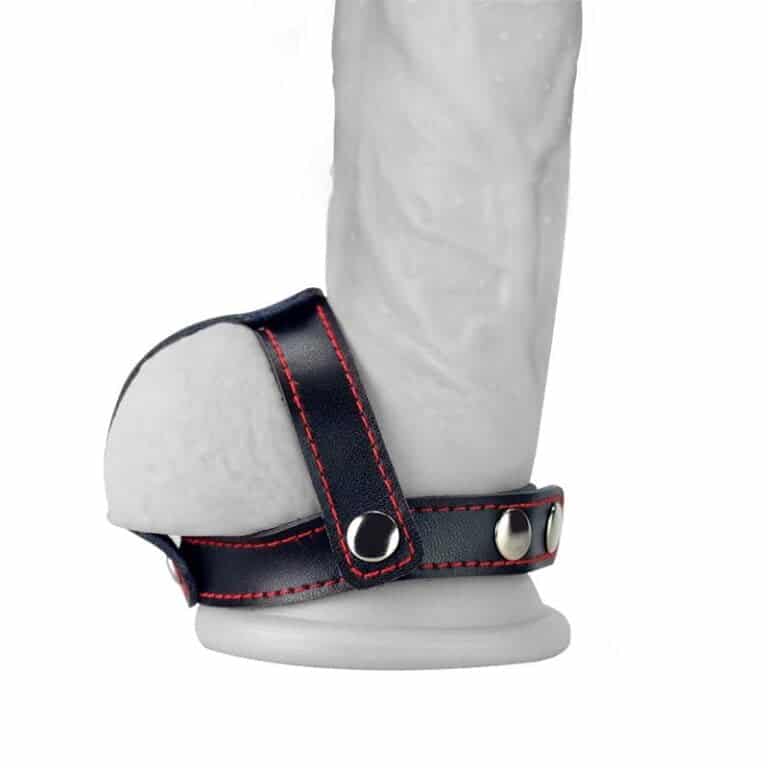
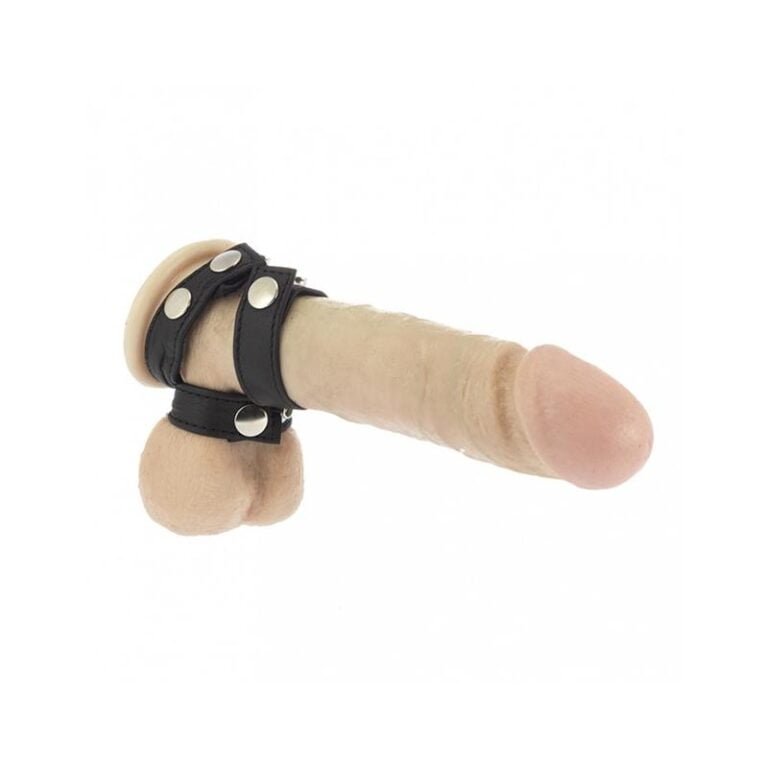
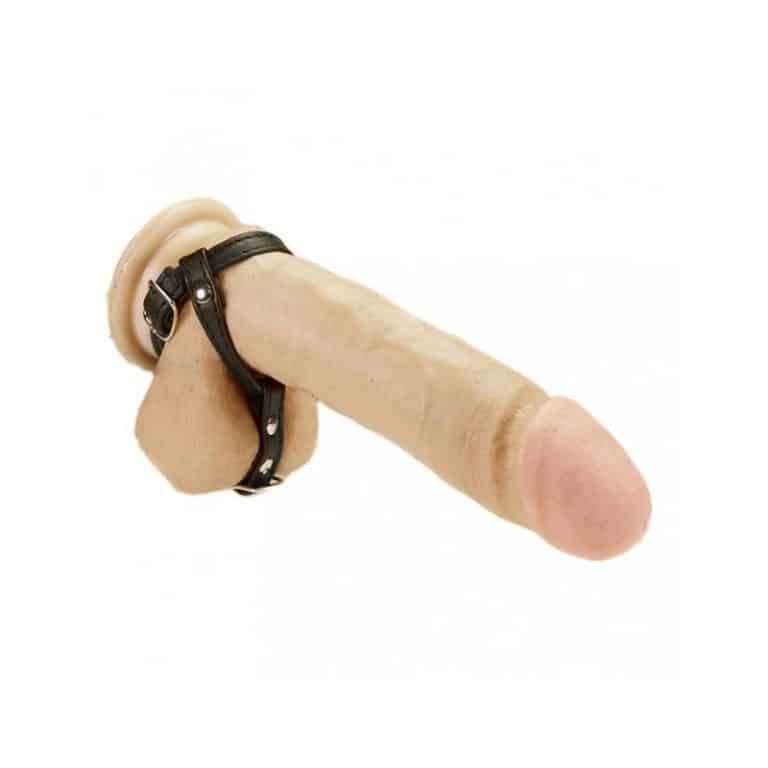
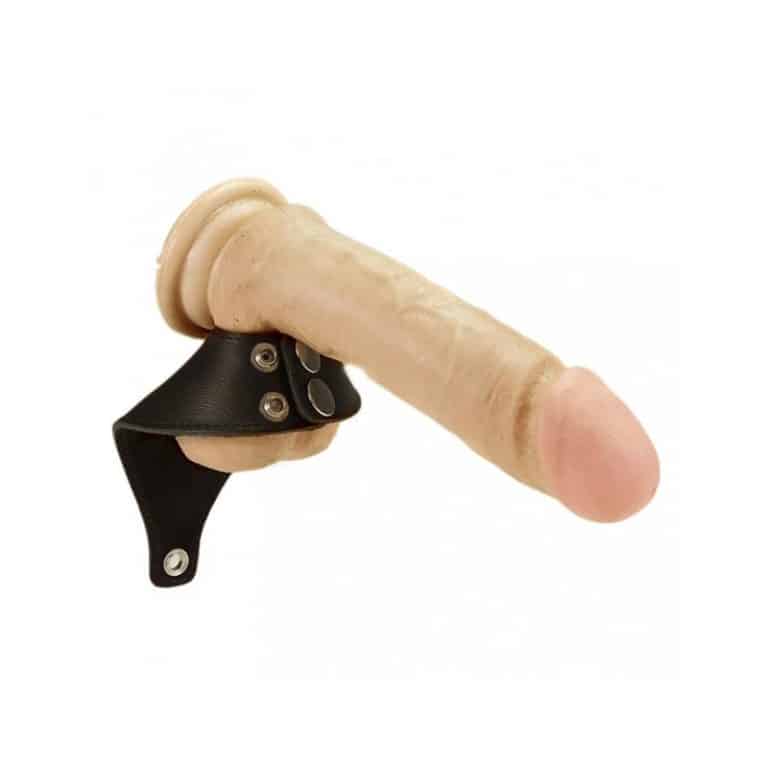
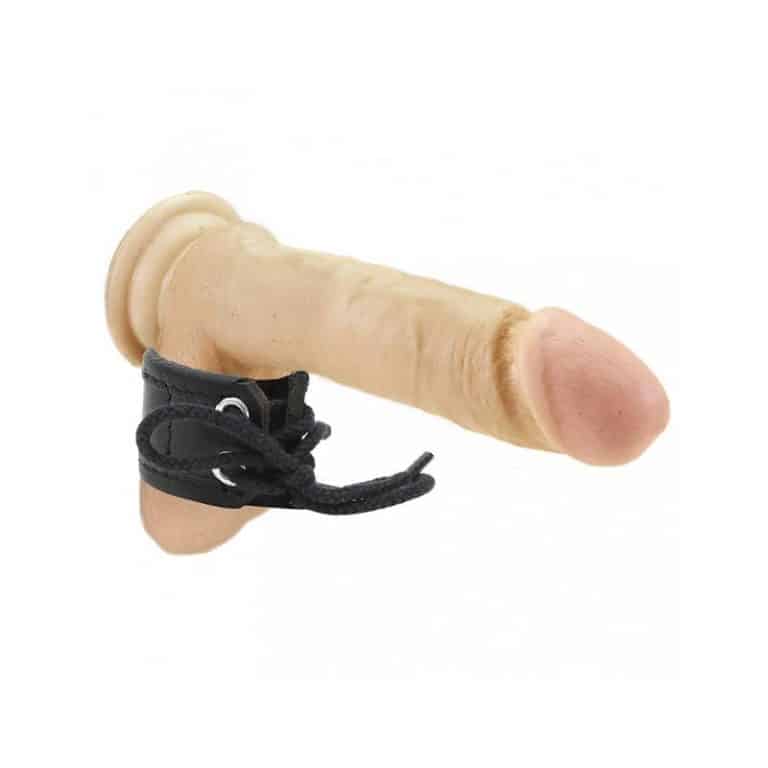
Leather Penis and Ball Strap

Original price was: EUR37,50.Current price is: EUR31,00.
-7%

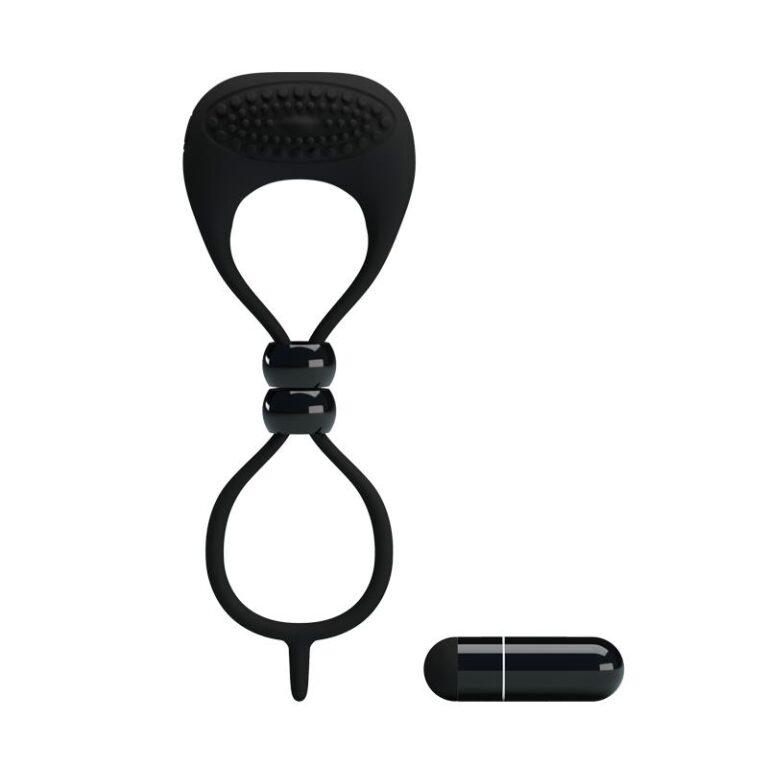
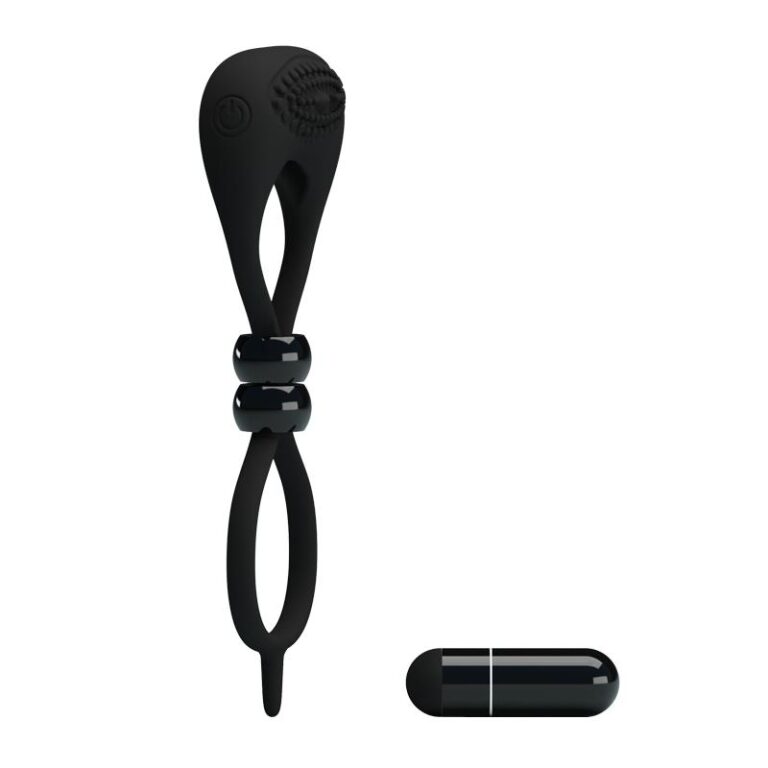
Pretty Love Vibrating Cock Ring Locker Black

Original price was: EUR8,19.Current price is: EUR7,60.
-17%

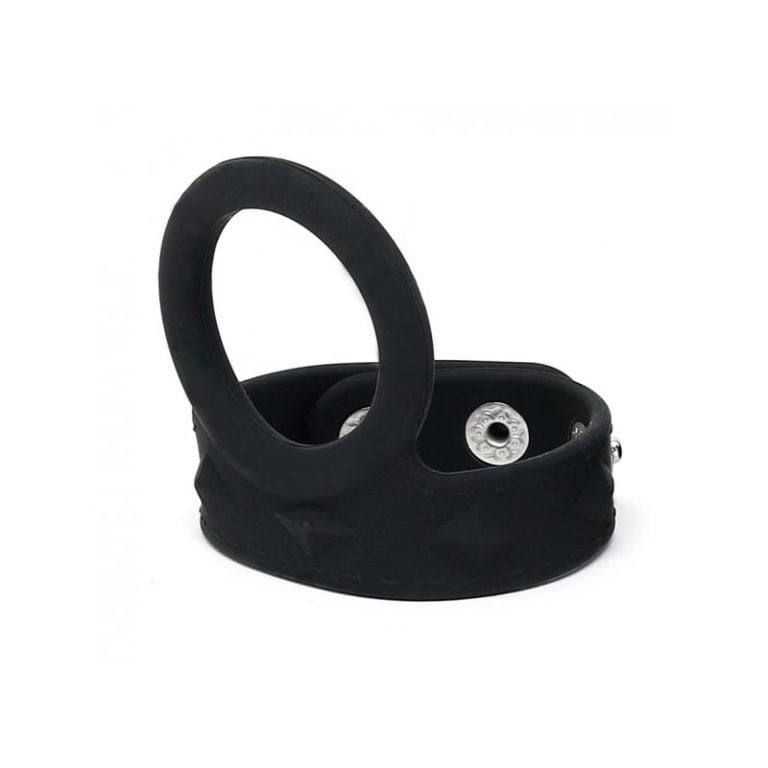
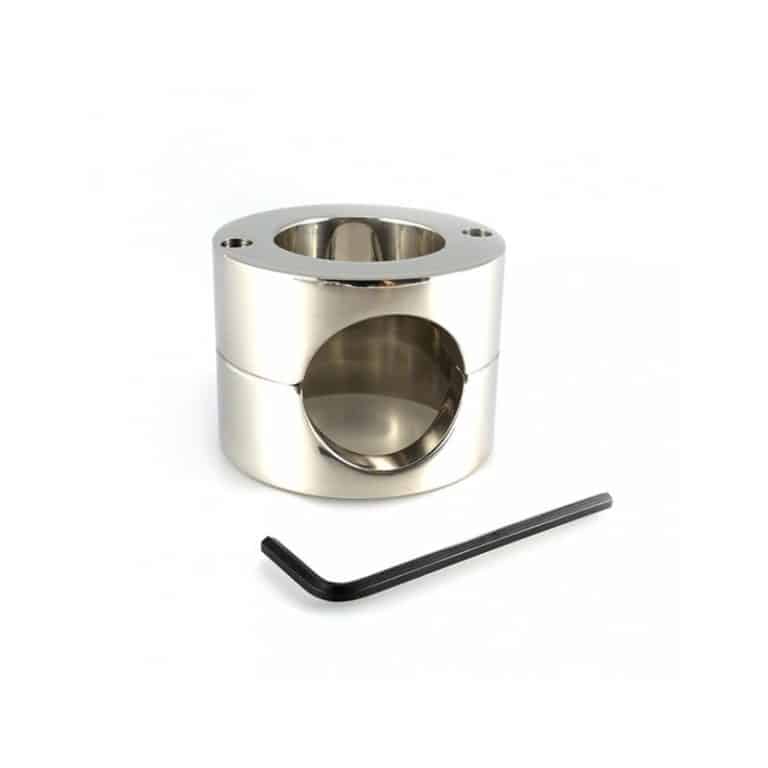
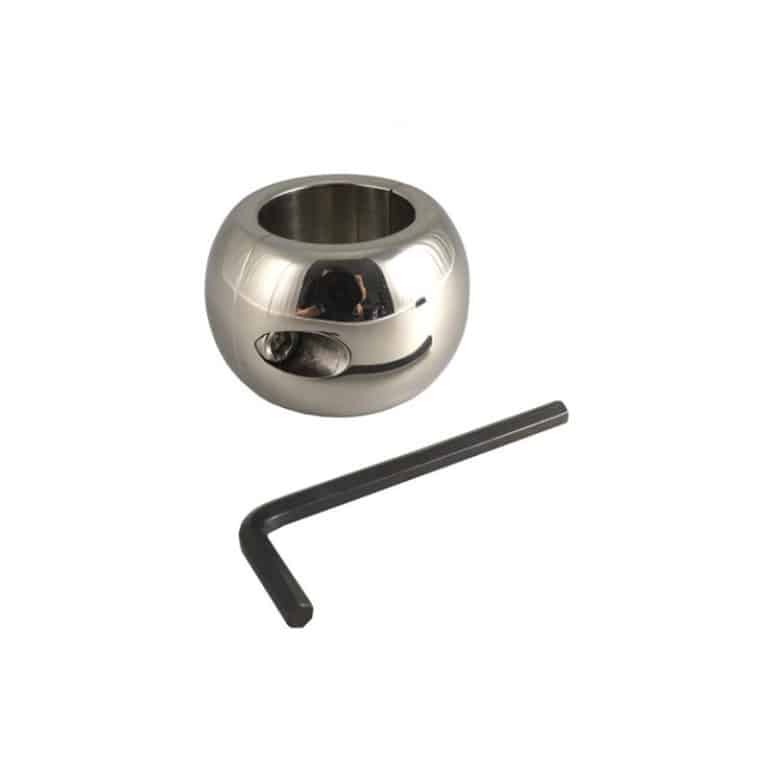
35 MM Ballstretcher-35 mm inside

Original price was: EUR76,95.Current price is: EUR64,00.
-15%

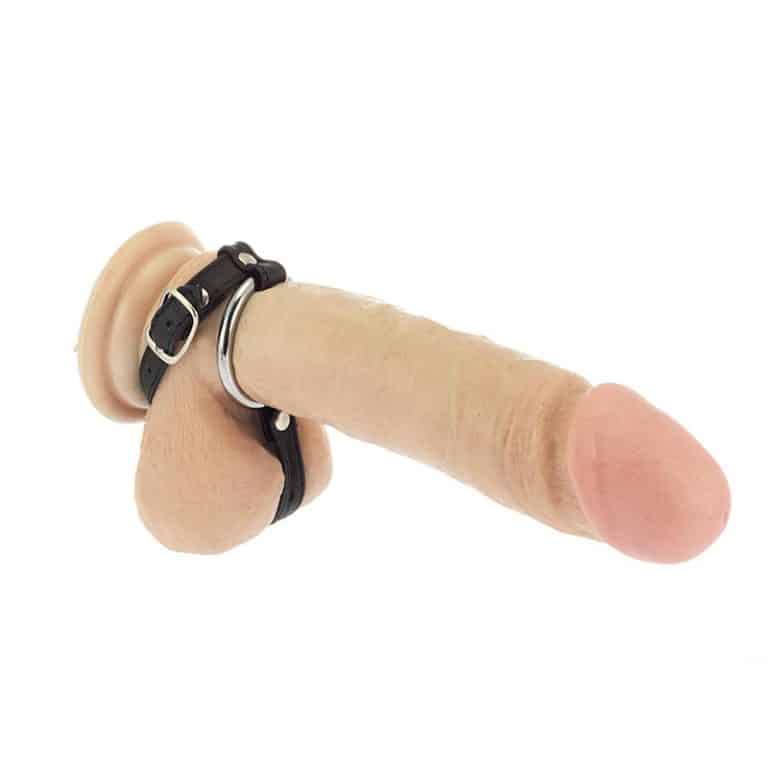
Penis strap-Adjustable

Original price was: EUR23,95.Current price is: EUR20,40.
-17%

Ring for testicles Adjustable

Original price was: EUR33,50.Current price is: EUR27,90.
-20%

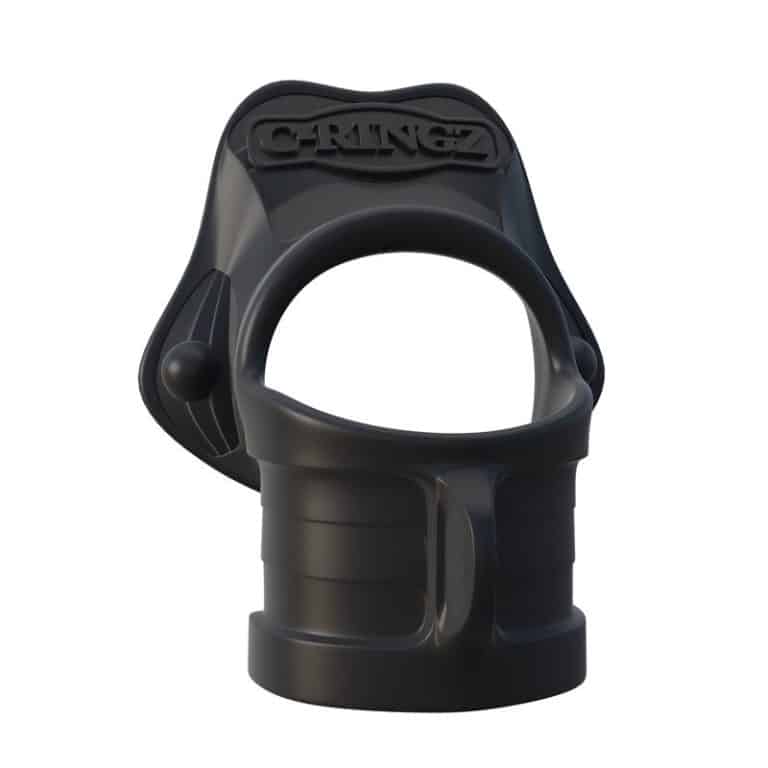
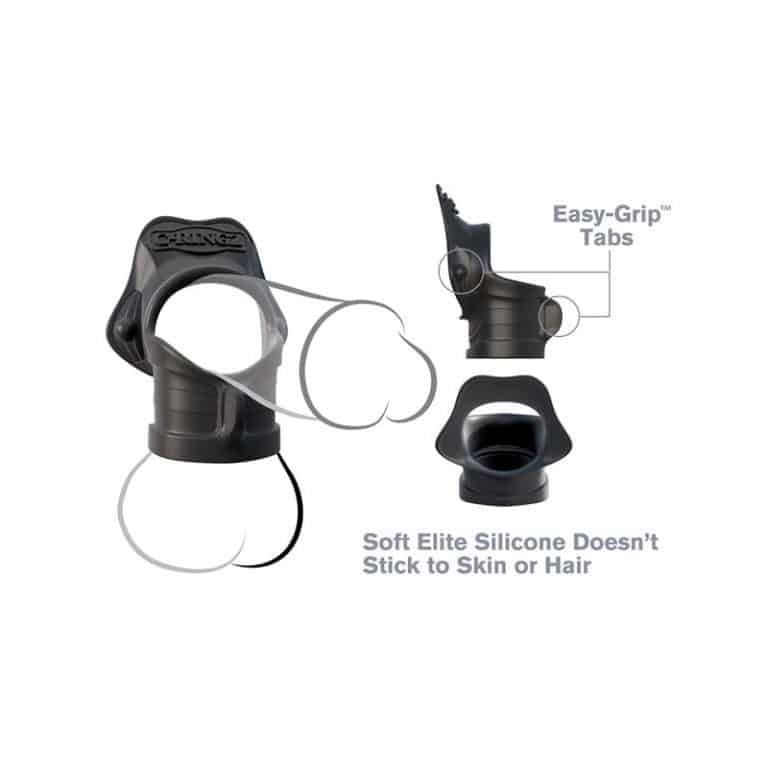
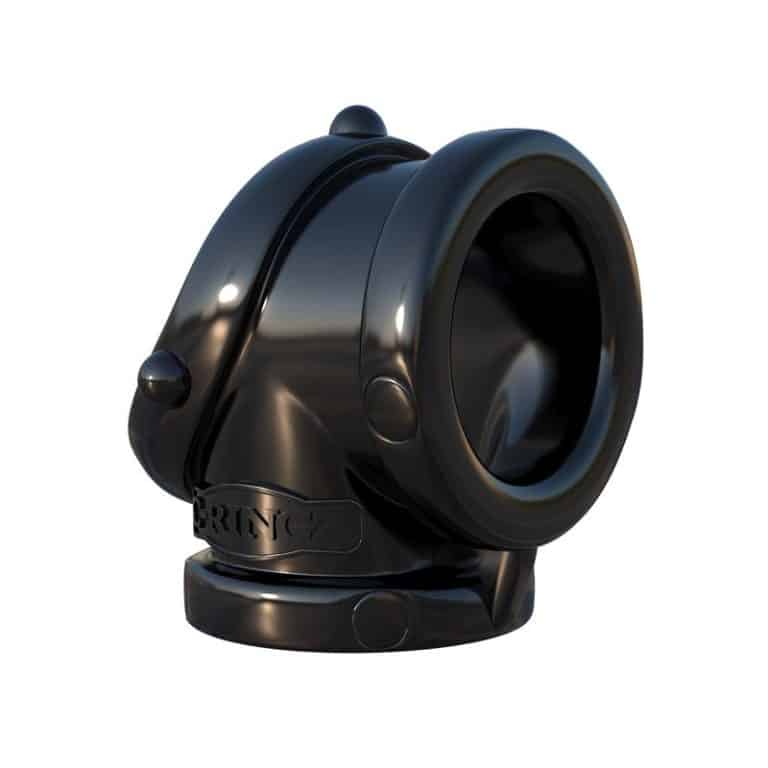
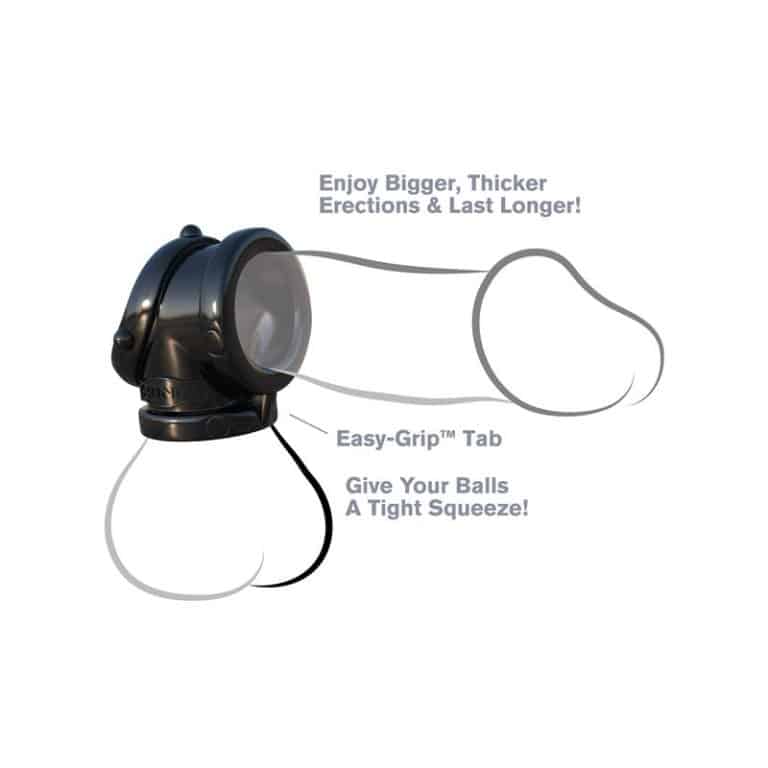
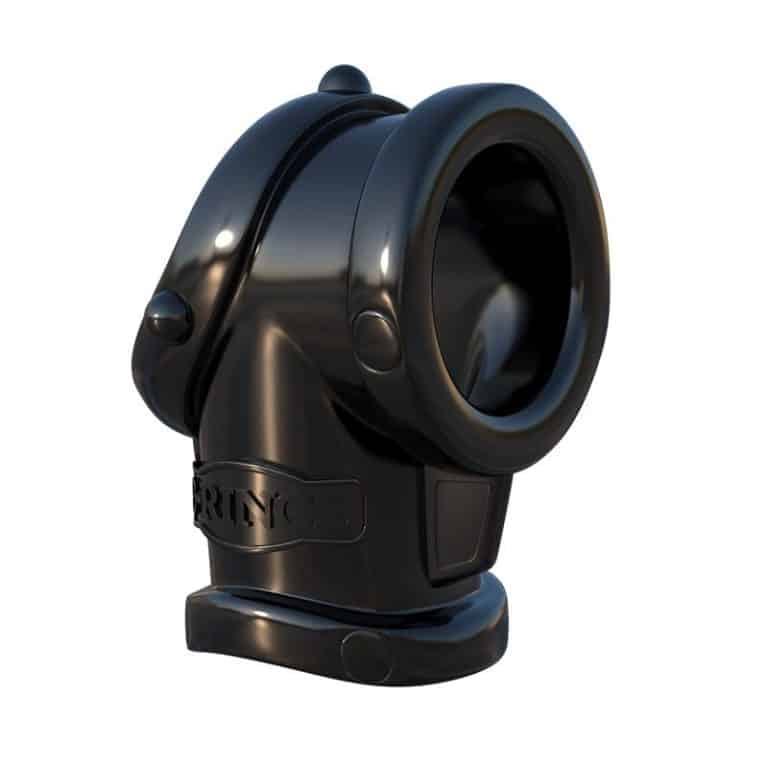
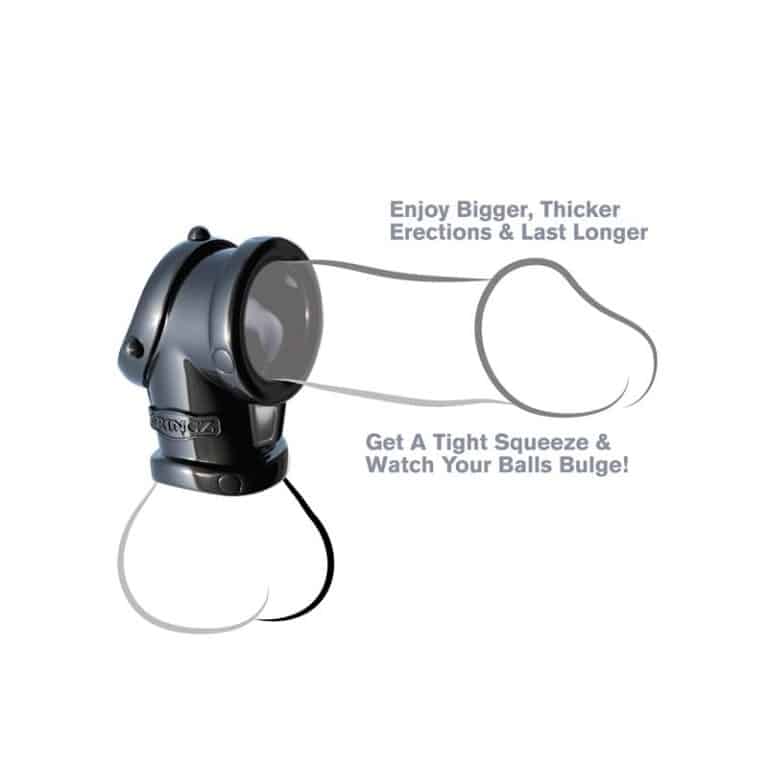
Fantasy C-Ringz Rock Hard Cock Pipe Black

Original price was: EUR24,65.Current price is: EUR19,74.
-17%

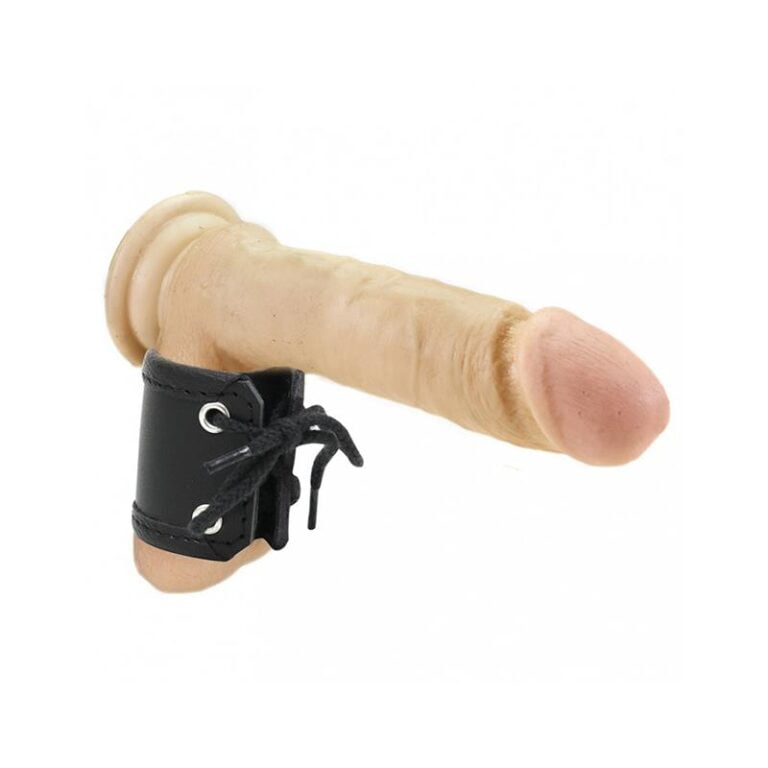
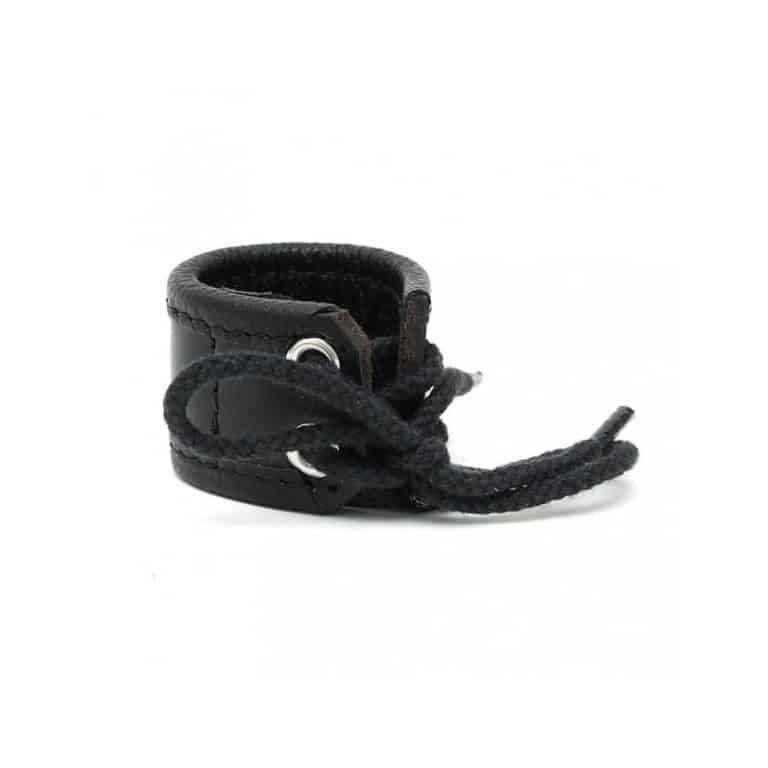
Adjustable Leather Ballstrecher

Original price was: EUR19,25.Current price is: EUR16,00.
-17%

Latex Play Anillo Penis Strap with Rings

Original price was: EUR21,25.Current price is: EUR17,60.
Select options This product has multiple variants. The options may be chosen on the product page
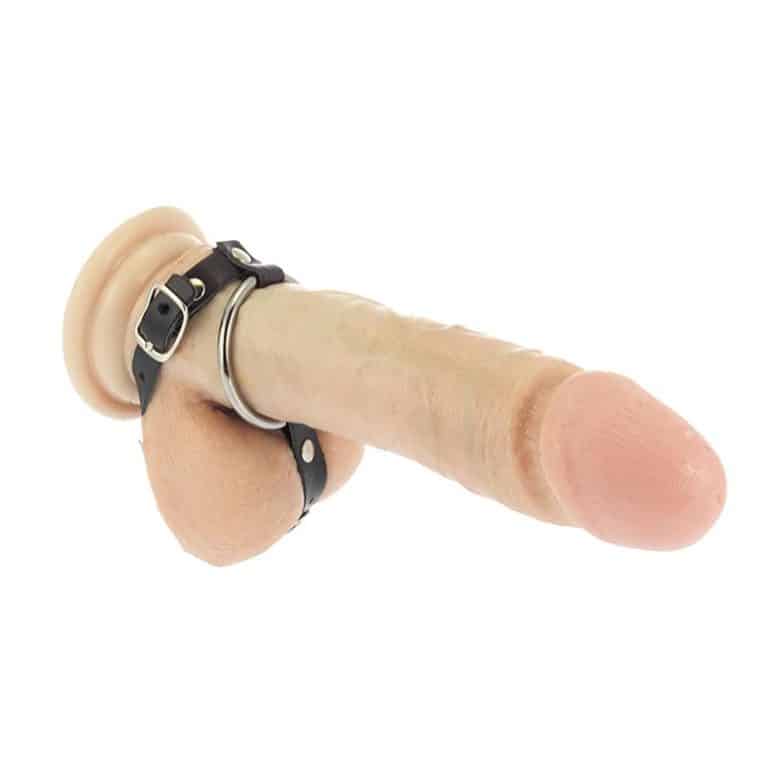
-9%

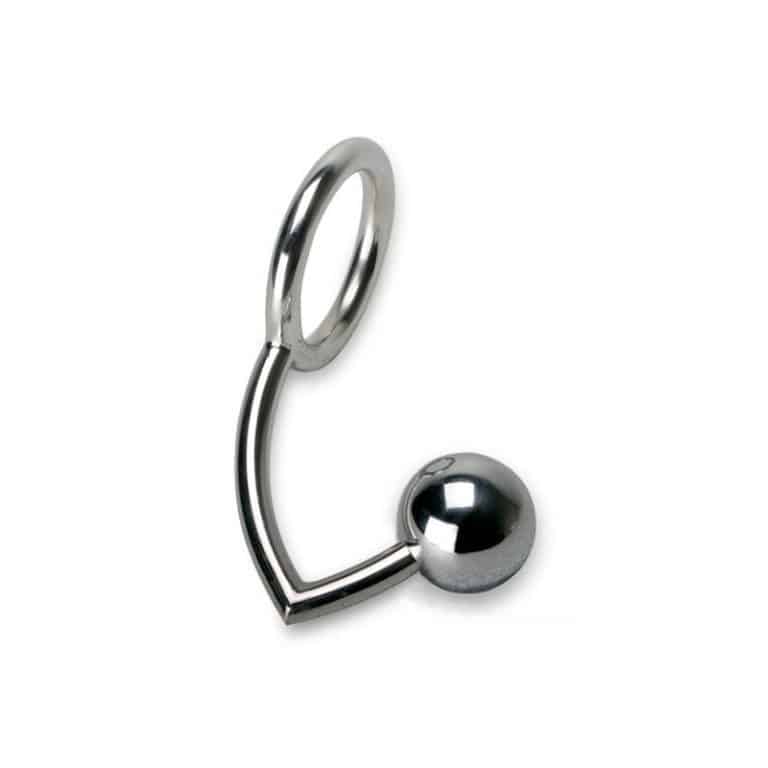
Ball Ring with Anallock

Original price was: EUR54,95.Current price is: EUR49,90.
Select options This product has multiple variants. The options may be chosen on the product page
-17%

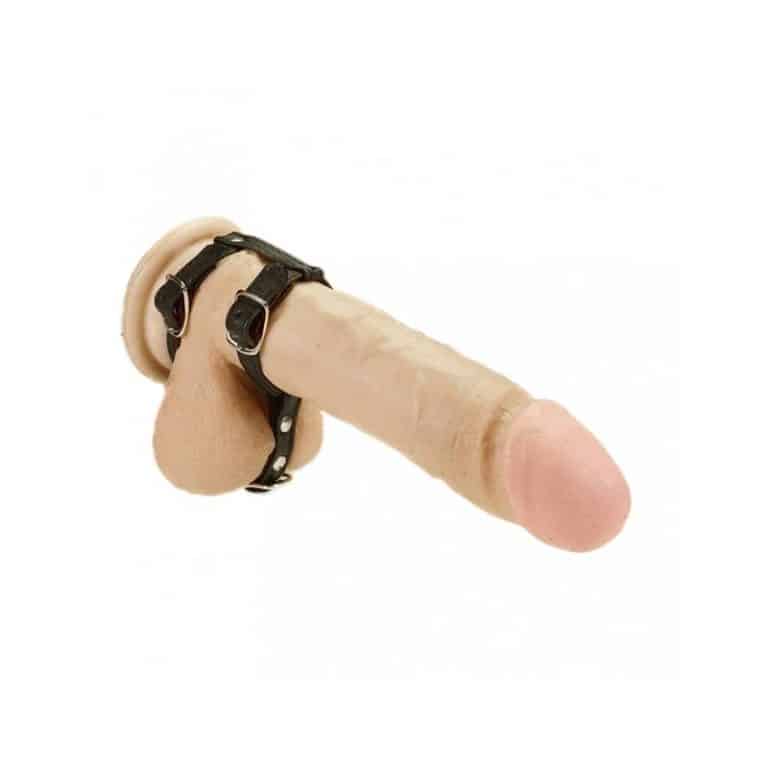
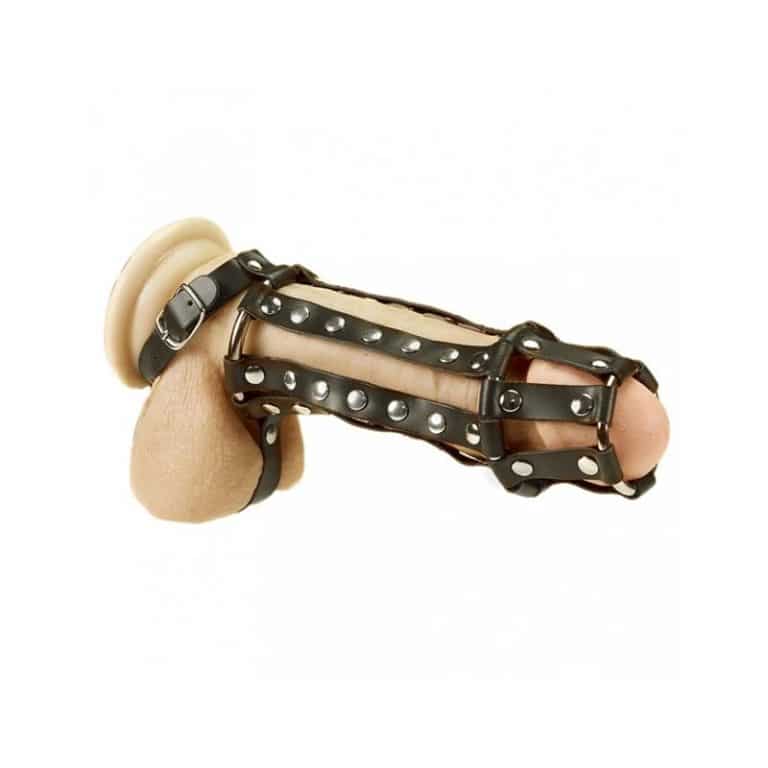
Penis and Ball Harness

Original price was: EUR51,50.Current price is: EUR42,70.
Select options This product has multiple variants. The options may be chosen on the product page
-17%
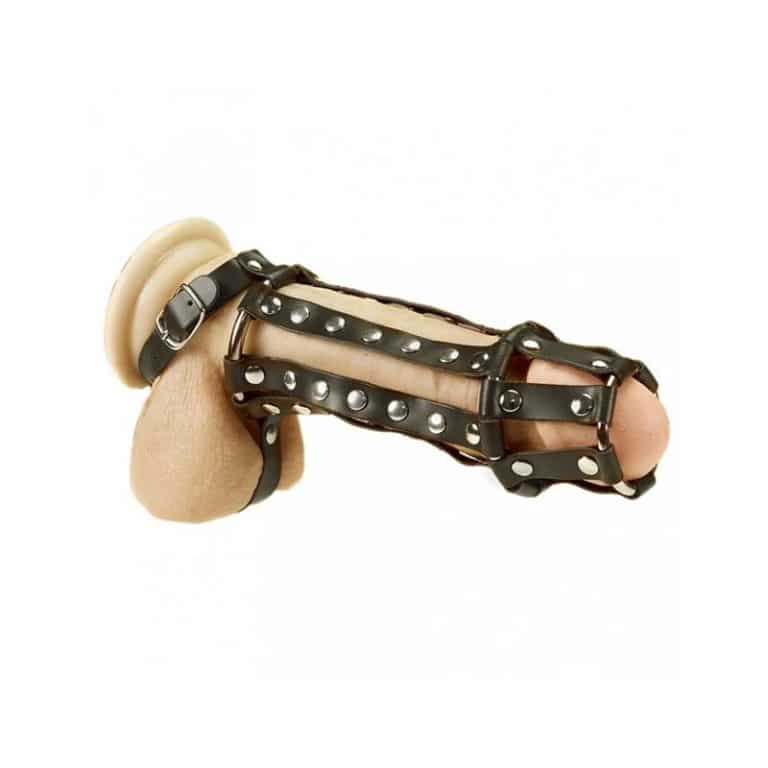
Penis Sleeve Latex

Original price was: EUR24,50.Current price is: EUR20,40.
-16%

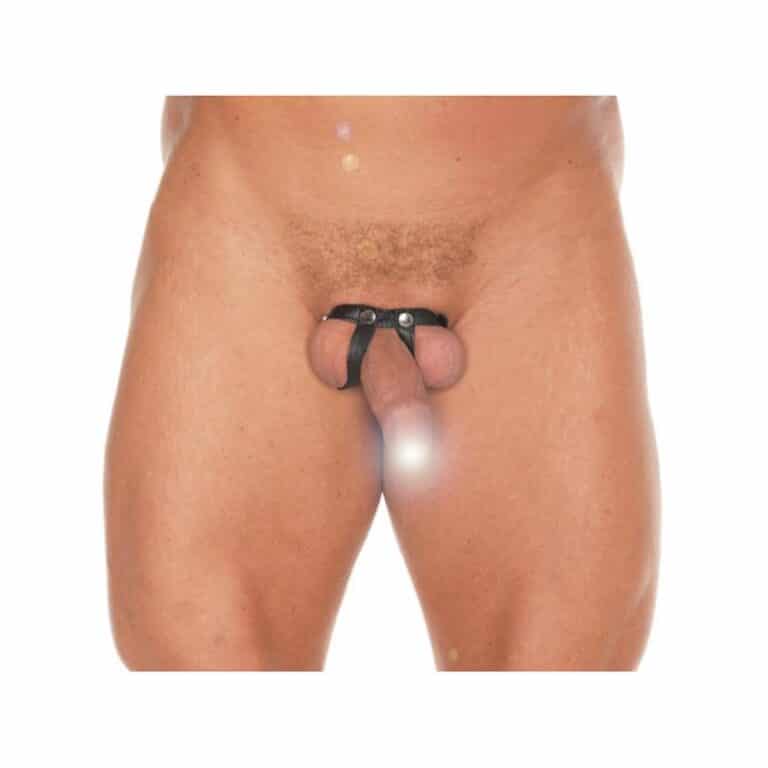
Bondage Play Penis and Ball Strap

EUR13,40 EUR19,20Price range: EUR13,40 through EUR19,20
Select options This product has multiple variants. The options may be chosen on the product page
-17%

Leather Ballstrecher

Original price was: EUR68,95.Current price is: EUR57,50.
-10%

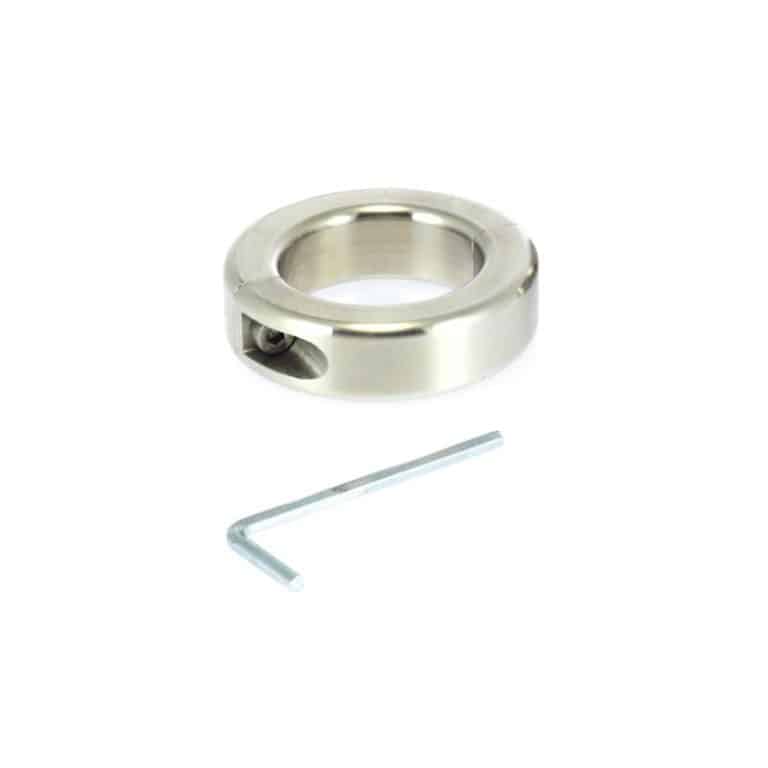
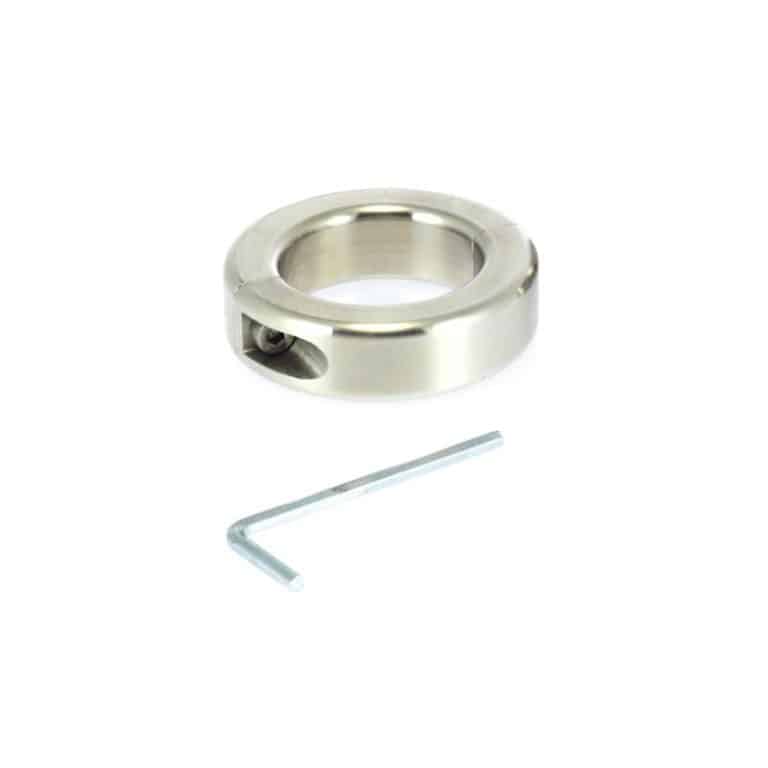
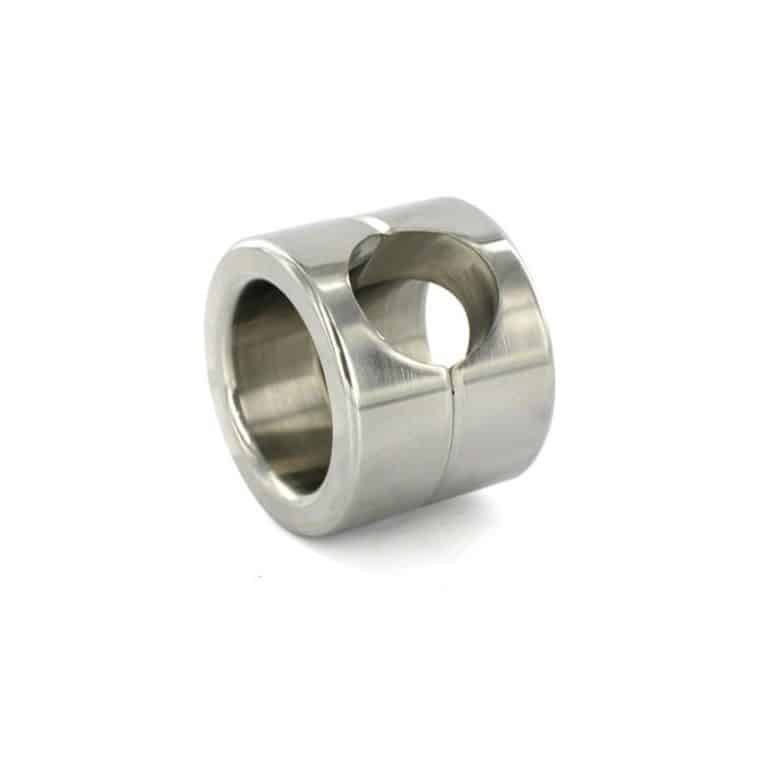
Stainless Steel Ring for the Testicles

Original price was: EUR59,95.Current price is: EUR54,00.
-11%

Stainless Steel Testicle Ring

Original price was: EUR55,95.Current price is: EUR49,90.
-17%

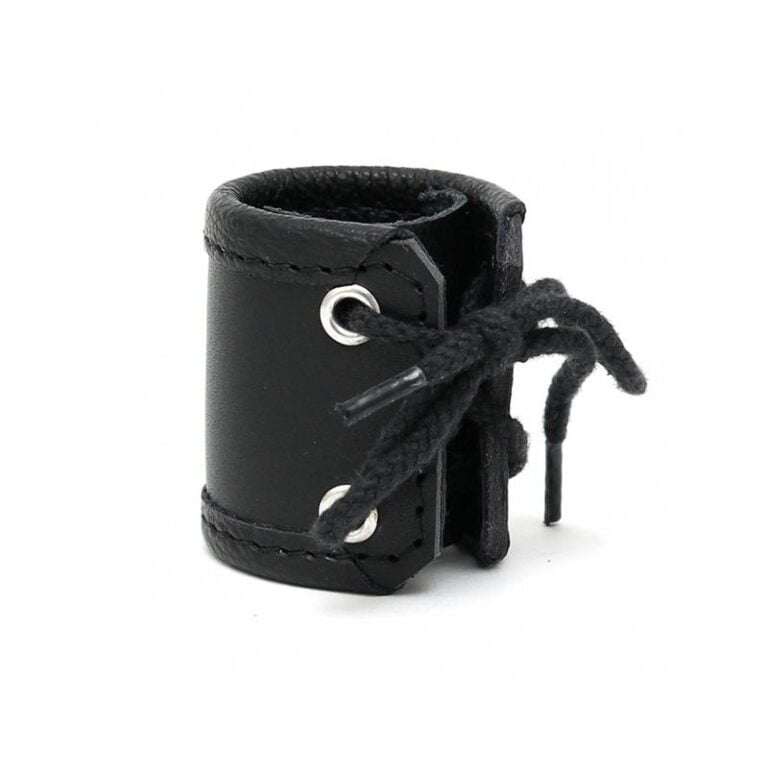
Leather Ballstretcher

Original price was: EUR10,95.Current price is: EUR9,10.
-17%

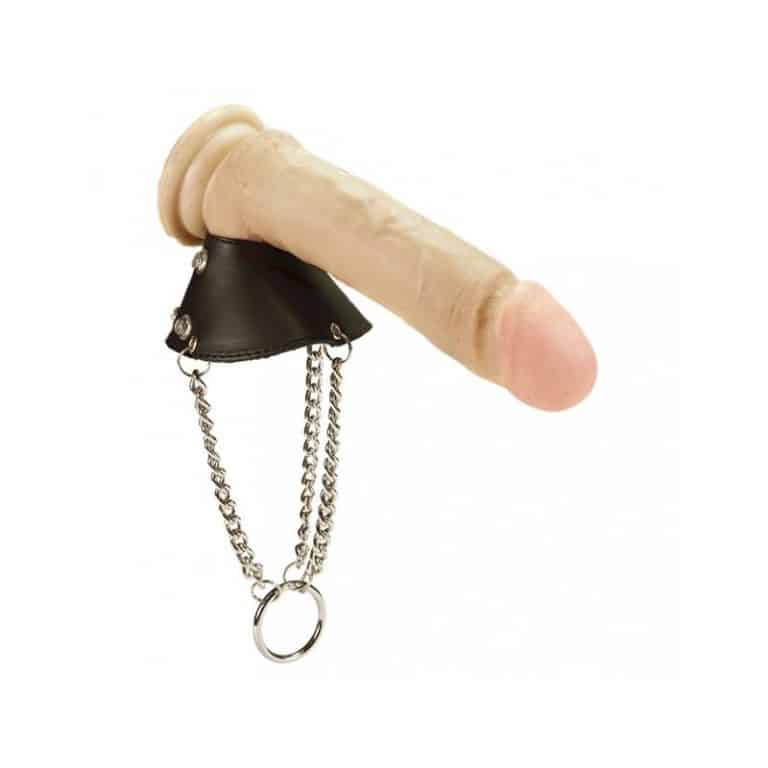
Parachute Ring with Spikes

Original price was: EUR48,95.Current price is: EUR40,50.
-17%

Leather Ball Strap

Original price was: EUR30,95.Current price is: EUR25,60.
-17%

Adjustable Leather Ballstretcher

Original price was: EUR20,50.Current price is: EUR17,00.
-50%

Leather Cock Ring with Ball Divider

Original price was: EUR7,80.Current price is: EUR3,90.
-4% Sold out

Ballstretcher-Ø 40 MM

Original price was: EUR59,95.Current price is: EUR57,60.
-20% Sold out

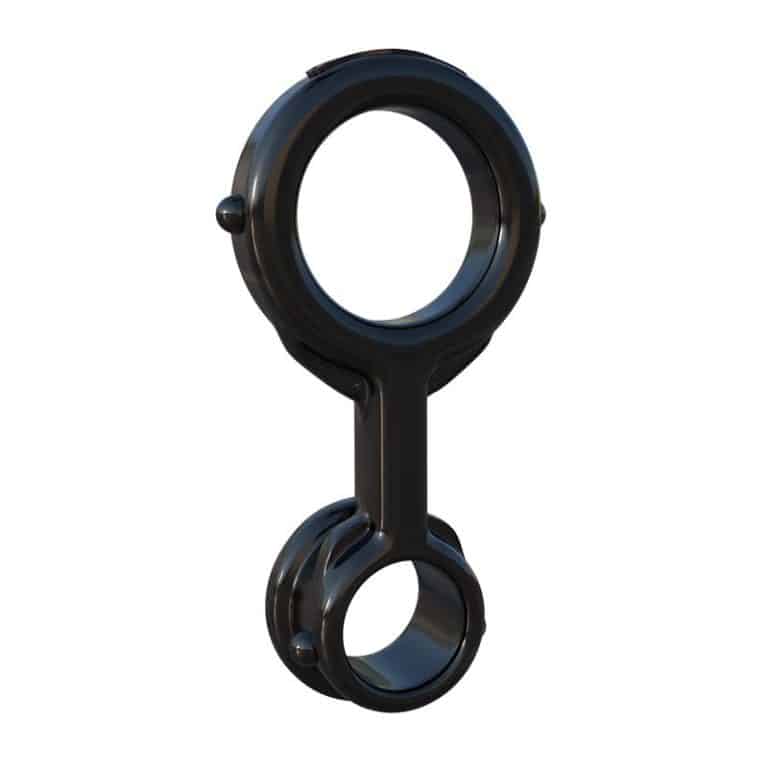
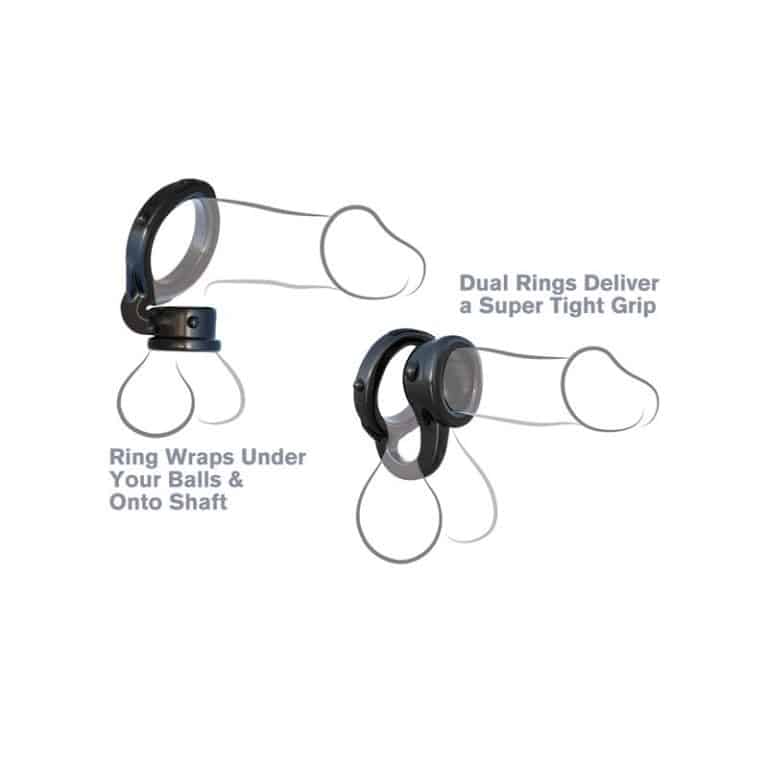
Ironman Duo-Ring Black

Original price was: EUR23,35.Current price is: EUR18,68.
-17% Sold out

Bondage Play Penis Strap with Rings

Original price was: EUR15,95.Current price is: EUR13,30.
Select options This product has multiple variants. The options may be chosen on the product page
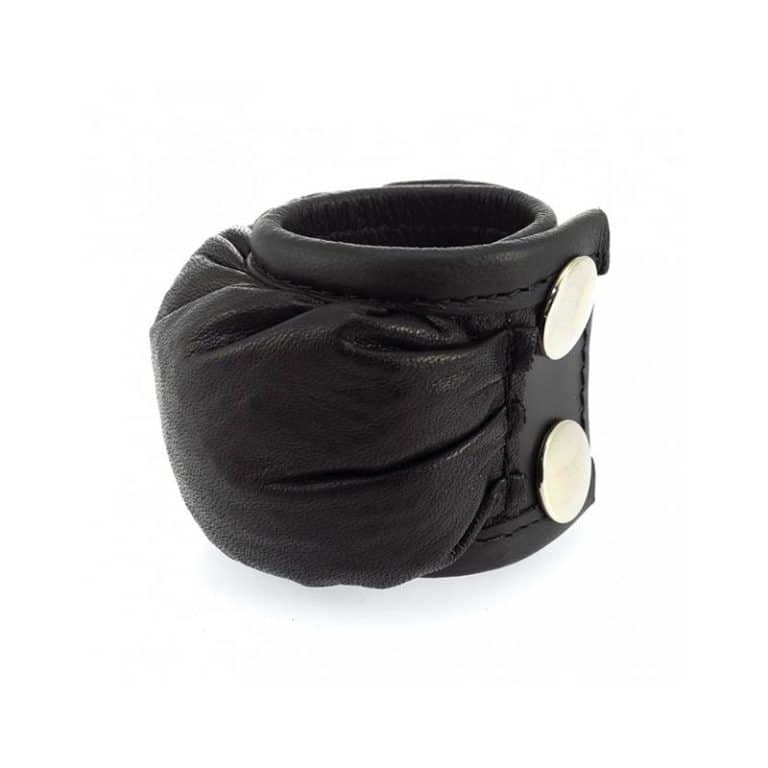
-12% Sold out

Penis Strap with Cockring Silicone

Original price was: EUR11,95.Current price is: EUR10,50.
Select options This product has multiple variants. The options may be chosen on the product page
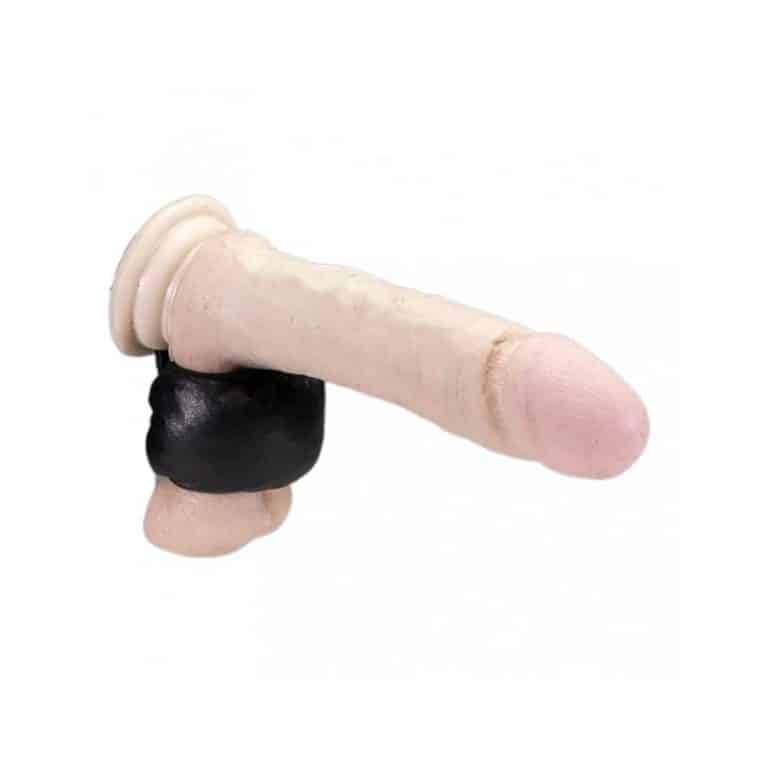
-12% Sold out

Penis Ball Strap

Original price was: EUR11,95.Current price is: EUR10,50.

Ball Stretchers Change Physical Awareness Because The Tension Never Fully Disappears

Ball stretchers create a very different physical rhythm because the pressure stays connected to the body continuously instead of appearing only during isolated moments of stimulation. The pull remains active during movement, posture shifts and slower pacing changes. Smaller adjustments suddenly feel amplified once the body realizes the tension does not disappear automatically between movements or physical reactions.

That prolonged weighted tension changes anticipation immediately because the body starts processing movement much more carefully once pressure remains physically attached to ordinary posture and positioning. Walking changes subtly. Breathing patterns shift. Even slower movements begin carrying more physical awareness after prolonged weighted restraint settles deeply enough into the pacing. Heavy atmosphere there. Very controlled.

Inside larger fetish collections, ball stretchers stand apart through weighted restraint and tension-focused pacing rather than aggressive stimulation alone. Softer leather stretchers usually create slower immersive pressure through flexible prolonged pull, while heavier metal designs reinforce fixed tension and stronger posture-sensitive awareness through stable weighted restraint during extended wear.

Sensory restriction intensifies that pacing dramatically. Removing visual orientation through blindfold-driven sensory limitation forces the body to process pressure, movement and anticipation without visual timing cues interrupting the tension. Tiny posture shifts suddenly feel psychologically amplified once the body can no longer visually predict movement beforehand.

Movement restriction changes the atmosphere again. Pairing weighted stretchers with structured restraint systems reduces repositioning freedom while keeping weighted pressure physically active through every posture adjustment. The body gradually stops relying on unconscious tension-release habits once movement and pull begin reinforcing each other continuously.

Different stretcher constructions create completely different pacing structures as well. Narrow weighted rings often reinforce concentrated downward pull and sharper pressure awareness, while broader leather systems create slower immersive tension through distributed contact and prolonged body adaptation. Every additional gram changes the rhythm differently once the pacing slows enough.

Longer sessions often become much more immersive precisely because the body gradually stops separating movement from the tension itself. Physical awareness remains elevated continuously. Movement becomes more careful. Anticipation stays active quietly beneath even smaller posture adjustments or slower breathing patterns.

Weighted restraint works best when the pressure settles deeply enough for ordinary movement itself to reinforce the pacing naturally. Controlled pull. Reduced escape movement. The body adapting around the tension before the next shift even arrives.

Ball Stretchers Feel Heavier Once The Body Starts Anticipating The Pull Automatically

Ball stretchers affect pacing differently because the body never fully disconnects from the tension after the weight settles into place. The pull remains present during ordinary movement instead of activating only during direct stimulation. Sitting changes subtly. Walking becomes more measured. Even slower posture shifts begin carrying noticeable pressure once the weighted restraint starts shaping movement continuously.

That constant physical awareness changes anticipation quickly because the body starts adjusting automatically before movement even happens. Smaller reactions suddenly feel larger once the tension remains physically connected to balance, positioning and posture throughout slower sessions. The rhythm becomes denser there. Colder. Much more difficult to ignore mentally after prolonged weighted pacing.

Inside broader fetish collections, weighted stretchers stand apart through prolonged pull and movement-sensitive pressure rather than aggressive stimulation alone. Softer leather constructions usually reinforce immersive body awareness through flexible tension and distributed contact, while heavier steel designs create sharper physical focus through fixed weighted pull and stronger posture-sensitive restraint.

Visual restriction intensifies that pacing immediately. Removing orientation through blindfold-focused sensory control forces the body to process movement and weighted pressure without visual timing cues softening the anticipation. Tiny adjustments suddenly feel amplified once posture changes can no longer be visually predicted beforehand.

Restriction layering reshapes the atmosphere again. Pairing stretchers with structured movement restraint narrows repositioning freedom while keeping the weighted pull physically active through every balance adjustment and slower movement pattern. The body gradually stops searching for unconscious relief movement once posture and tension begin reinforcing one another continuously.

Different stretcher shapes create very different emotional pacing structures as well. Compact weighted rings often reinforce concentrated downward pressure and sharper tension awareness, while wider designs create slower immersive pull through prolonged distributed contact. Additional weight changes the emotional rhythm immediately once the pacing becomes controlled enough.

Longer wear usually becomes more psychologically immersive because the body starts expecting the pressure during ordinary movement instead of reacting to it separately. Physical awareness remains active continuously. Breathing patterns slow subtly. Anticipation settles beneath even complete stillness after prolonged weighted restraint.

Weighted pacing works best when the pull becomes part of movement itself instead of interrupting it constantly. Stable tension. Controlled posture. The body adapting around the pressure before the next shift changes the rhythm again.

Ball Stretchers Create Slower Pressure Because The Weight Keeps Reconnecting The Body To The Tension

Ball stretchers create a completely different sensation profile because the restraint keeps returning physical awareness back to the same pressure point during every movement instead of fading quietly into the background. The pull stays present while walking, repositioning or simply standing still. Nothing feels fully neutral anymore once the weight settles deeply enough into the pacing structure.

That repetitive reconnection changes the psychological rhythm immediately because the body starts anticipating the tension before movement actually happens. Even slower posture adjustments begin carrying heavier physical meaning once ordinary motion keeps triggering controlled pull repeatedly throughout the session. Quiet pressure becomes extremely noticeable there after prolonged weighted pacing. No sudden spikes required.

Inside larger fetish collections, ball stretchers stand apart because the restraint develops through gravity, movement and body mechanics instead of direct stimulation alone. Flexible leather systems usually reinforce slower immersive tension through softer distributed pull, while heavier steel constructions create colder physical awareness through rigid weighted pressure and fixed downward force during extended wear.

Sensory restriction sharpens the atmosphere immediately. Removing visual orientation through blindfold-based sensory limitation forces the body to process weighted movement and pressure through anticipation instead of visual timing cues. Tiny posture shifts suddenly feel psychologically amplified once the pacing can no longer be visually tracked in advance.

Restriction layering changes the body mechanics again. Pairing weighted stretchers with structured restraint positioning limits repositioning freedom while reinforcing the pull through controlled posture and reduced mobility. The body gradually stops moving casually once tension and restricted balance begin shaping movement together continuously.

Different weighted systems influence pacing in completely different ways as well. Short compact rings reinforce concentrated downward force and sharper tension awareness, while longer segmented designs create slower stretching pressure through sustained pull and extended body adaptation. Every variation reshapes anticipation differently once the pacing slows down enough.

Longer sessions often become psychologically immersive because the body gradually stops treating the pull like a temporary sensation. Movement changes automatically. Posture sharpens subtly. The tension remains physically active beneath ordinary motion long after the weight settles into place.

Weighted restraint works best when gravity itself becomes part of the pacing instead of simple added pressure. Controlled pull. Slower movement. The body carrying the tension forward before the next adjustment deepens it again.

Ball Stretchers Become More Intense Once Movement Starts Working Against The Body Instead Of With It

Ball stretchers create a very different restraint dynamic because ordinary movement stops relieving tension naturally and starts reinforcing it instead. Every posture shift reconnects the body with the pull again. Walking feels different. Standing still feels different. Even slower balance adjustments begin carrying physical pressure once the weighted restraint starts shaping movement continuously instead of temporarily.

That shift changes anticipation immediately because the body becomes much more aware of how movement affects the tension before movement even happens. Smaller reactions suddenly feel amplified once gravity and posture begin controlling the pacing together. The atmosphere hardens there gradually. Dense physical awareness. Controlled discomfort. Very little mental distance left between movement and pressure after prolonged weighted wear.

Inside broader fetish collections, weighted stretchers stand apart because the restraint evolves through body mechanics and sustained pull rather than direct stimulation alone. Softer leather constructions usually create immersive prolonged tension through flexible distributed pressure, while rigid steel systems reinforce colder physical awareness through fixed weighted force and stronger downward pull during slower pacing.

Sensory restriction intensifies that movement-sensitive pacing sharply. Removing orientation through blindfold-focused sensory control forces the body to process pull, movement and pressure without visual timing cues reducing the anticipation. Tiny balance shifts suddenly feel psychologically larger once the pacing cannot be visually predicted beforehand.

Restriction layering changes the emotional pressure again. Pairing weighted stretchers with structured movement restriction limits repositioning freedom while keeping the downward pull physically active through slower movement patterns and controlled posture changes. The body gradually stops moving instinctively once tension and restricted balance begin shaping mobility together continuously.

Different weighted constructions produce very different pacing styles as well. Narrow heavy rings reinforce concentrated pressure and sharper movement-sensitive pull, while segmented stretchers create slower progressive tension through sustained weighted extension and longer adaptation periods. Every design shifts the emotional rhythm differently once gravity becomes part of the restraint itself.

Longer sessions often become far more immersive precisely because the body gradually stops expecting relief through ordinary movement. Posture changes automatically. Movement slows subtly. Weighted pressure remains physically active beneath every controlled adjustment or moment of stillness.

Weighted restraint works best when movement itself starts reinforcing the control instead of interrupting it. Gravity pulling downward. Reduced freedom upward. The body carrying the tension deeper into the pacing with every step.

FAQ – Ball Stretchers, Weighted Tension & Controlled Pull

Why do ball stretchers feel more intense during slower movement?

Ball stretchers often feel more intense during slower movement because the body has enough time to fully process the weighted pull instead of quickly adapting around it through fast pacing or constant repositioning. The tension remains physically connected to posture and balance continuously. Smaller adjustments suddenly carry much more awareness once gravity keeps reactivating the pressure during every controlled movement pattern.

That slower pacing changes anticipation dramatically because ordinary movement stops feeling neutral after prolonged weighted restraint settles deeply enough into the body. Walking changes subtly. Standing still becomes active. Even slower breathing patterns begin reinforcing the tension once the pull remains physically present throughout the pacing instead of fading naturally between movements.

Combining fetish restraint collections, movement restriction systems and blindfold-focused sensory limitation often deepens weighted pacing dramatically.

How do weighted metal stretchers create a different atmosphere than leather designs?

Weighted metal stretchers usually create a colder and more fixed physical atmosphere because the pull feels mechanically stable and physically uncompromising during movement and posture changes. The body reacts differently once the tension remains rigid instead of flexing naturally around movement patterns. Smaller adjustments suddenly feel sharper because the weighted restraint resists movement instead of softening around it gradually.

Leather stretchers often reinforce immersive prolonged tension through softer distributed pressure and flexible contact, while steel constructions emphasize concentrated pull and stronger movement-sensitive awareness through fixed weighted force. Completely different pacing structure. One settles gradually into the body. The other remains physically absolute throughout slower sessions.

Pairing fetish pacing systems, structured restraint positioning and blindfold-driven sensory control often intensifies both pacing styles substantially.

Why does ordinary movement feel different while wearing weighted stretchers?

Ordinary movement feels different because weighted stretchers keep physical awareness connected to gravity, posture and balance continuously instead of allowing the body to move without tension feedback. Walking changes subtly. Balance changes. Even slower posture adjustments suddenly feel amplified once the pull remains physically active throughout ordinary movement instead of appearing only during direct interaction.

That movement-sensitive pacing often becomes psychologically immersive because anticipation stays connected to ordinary body mechanics continuously instead of peaking briefly and disappearing again. The body gradually starts adjusting movement automatically around the weighted tension instead of resisting it mentally. Controlled pacing changes everything there after prolonged restraint-focused wear.

Combining fetish restraint products, movement restriction gear and blindfold-based sensory restriction often sharpens movement-sensitive tension dramatically.

How do blindfolds intensify weighted restraint psychologically?

Blindfolds intensify weighted restraint because removing visual orientation forces the body to process pull, posture and movement through physical anticipation instead of visual timing cues. Once sight disappears, even smaller balance shifts suddenly feel psychologically amplified because movement and pressure can no longer be visually predicted beforehand. The body stays mentally connected to the tension continuously there.

That sensory limitation changes the emotional rhythm dramatically during slower pacing because anticipation remains physically active beneath ordinary movement instead of peaking quickly through direct intensity alone. Walking feels different. Balance feels monitored. Quiet pressure becomes extremely noticeable once the weighted pull remains physically connected to every posture adjustment during sensory restriction.

Pairing blindfold-focused sensory limitation, fetish restraint collections and structured movement restriction often deepens weighted pacing substantially.

Why do smaller posture changes feel amplified with ball stretchers?

Smaller posture changes feel amplified because weighted stretchers keep the body physically connected to tension continuously instead of allowing movement to happen without pressure feedback. Tiny balance adjustments suddenly create noticeable physical awareness once gravity and movement begin shaping the pacing together. The body reacts much more carefully there after prolonged weighted restraint settles deeply enough into ordinary posture.

That heightened awareness often becomes psychologically immersive because anticipation stays physically active beneath even slower movement patterns and complete stillness. The body gradually stops moving casually once posture itself begins reinforcing the weighted pull automatically during ordinary movement. Quiet tension becomes extremely difficult to ignore mentally after prolonged pacing.

Combining fetish accessories, restraint positioning systems and sensory restriction blindfolds often intensifies posture-sensitive pacing significantly.

Why does prolonged weighted tension often feel more immersive than direct intensity?

Prolonged weighted tension often feels more immersive because the body remains physically connected to anticipation and pull continuously instead of experiencing brief isolated intensity spikes that disappear quickly afterward. The pacing settles deeper into ordinary movement over time. Walking changes subtly. Posture becomes more careful. Even slower balance shifts begin carrying psychological weight once the pull remains physically active throughout the session.

That slower pacing structure usually creates stronger body awareness precisely because the tension has enough time to integrate into movement and posture naturally instead of peaking instantly through aggressive stimulation. The atmosphere becomes denser there. Colder. Much more physically immersive after prolonged weighted restraint pacing.

Combining fetish restraint collections, structured movement systems and blindfold-focused sensory pacing often deepens prolonged weighted tension dramatically.

How do restraint systems intensify weighted stretcher pacing?

Restraint systems intensify weighted stretcher pacing because restricted movement removes many unconscious habits normally used to reduce tension and redistribute physical pressure naturally. Once repositioning freedom narrows, the body remains physically connected to the weighted pull much longer during movement and posture changes. Smaller adjustments suddenly feel amplified because balance and movement can no longer soften the tension automatically.

That layered restriction often becomes psychologically heavier than expected because gravity, posture and limited mobility begin shaping the pacing together instead of functioning separately. The body gradually stops searching for instinctive relief movement once the restraint keeps reconnecting ordinary motion with controlled weighted pressure continuously. Slow physical awareness settles very deeply there after prolonged layered pacing.

Pairing structured restraint systems, fetish restraint collections and blindfold-driven sensory control often deepens weighted pacing dramatically.

Why do heavier stretchers create a colder psychological atmosphere?

Heavier stretchers often create a colder psychological atmosphere because the pull feels physically stable and mechanically unavoidable during movement and posture changes. The body reacts differently once the tension remains consistent instead of flexing naturally around movement patterns. Smaller balance adjustments suddenly carry much more physical awareness because the weighted force keeps reasserting itself continuously.

That colder pacing changes the emotional rhythm dramatically because gravity itself becomes part of the restraint structure instead of functioning like temporary added pressure. Softer leather systems usually reinforce immersive prolonged pull through distributed contact, while heavier steel designs emphasize fixed downward force and concentrated weighted tension during slower sessions. Completely different body response after prolonged wear.

Pairing fetish pacing accessories, movement restriction gear and sensory restriction blindfolds often intensifies heavier weighted restraint substantially.

Why does gravity itself become part of the pacing with weighted stretchers?

Gravity becomes part of the pacing because weighted stretchers keep the tension physically active beneath every movement instead of allowing the body to fully escape the pressure during ordinary posture changes. Standing, walking and shifting balance all reconnect the body with the pull continuously. The pacing stops feeling separate from movement there after prolonged weighted restraint settles deeply enough into ordinary body mechanics.

That movement-sensitive pressure often becomes psychologically immersive because the body starts anticipating the tension automatically before posture changes even happen. Smaller movements suddenly carry more physical meaning once gravity and controlled pull begin shaping ordinary movement patterns together. Quiet weighted awareness becomes extremely noticeable after slower prolonged pacing.

Combining fetish restraint systems, structured positioning restraint and blindfold-focused sensory limitation often deepens gravity-driven pacing dramatically.

How does sensory restriction intensify weighted tension psychologically?

Sensory restriction intensifies weighted tension because removing visual orientation forces the body to process pressure, movement and posture without visual timing cues softening the anticipation. Once sight disappears, even slower balance adjustments suddenly feel psychologically amplified because the body cannot predict movement patterns visually anymore. Weighted pull becomes much more mentally present there.

That uncertainty changes the emotional pacing dramatically during slower sessions because anticipation remains physically active beneath every movement instead of appearing only during direct interaction. Walking feels monitored differently. Balance changes feel sharper. Quiet weighted pressure becomes extremely immersive once sensory restriction removes predictable orientation completely.

Pairing blindfold-based sensory restriction, fetish restraint products and movement restriction systems often intensifies weighted anticipation significantly.

Why do longer weighted sessions often become more psychologically immersive?

Longer weighted sessions often become more psychologically immersive because the body gradually stops treating the pull like a temporary sensation and starts adapting movement around the tension automatically instead. Physical awareness remains elevated during posture changes, balance adjustments and slower pacing throughout the session. The weighted restraint settles deeper into ordinary body mechanics over time.

That slower adaptation changes anticipation dramatically because ordinary movement itself begins reinforcing the pacing instead of interrupting it naturally. Walking becomes more measured. Standing still becomes active. Smaller posture changes suddenly carry much more psychological weight once gravity and tension remain continuously connected beneath the movement.

Combining fetish restraint collections, structured restraint positioning and blindfold-driven sensory pacing often deepens prolonged weighted immersion substantially.

Why does slower weighted pacing often feel stronger than aggressive intensity?

Slower weighted pacing often feels stronger because the body remains physically connected to the tension continuously instead of experiencing short isolated intensity spikes that disappear quickly afterward. The weighted pull settles deeper into movement and posture over time. Smaller balance adjustments suddenly carry much more awareness once gravity itself begins reinforcing the restraint throughout ordinary movement.

That slower pacing creates a much denser psychological atmosphere because anticipation has enough time to integrate fully into physical awareness instead of peaking quickly through aggressive stimulation alone. The rhythm becomes quieter there. Colder. Much more immersive after prolonged weighted restraint pacing and movement-sensitive pressure.

Pairing fetish pacing collections, movement restriction systems and blindfold-focused sensory control often intensifies slower weighted pacing dramatically.