Product categories
- Women
- Men
- Couples
- Fetish
- Lingerie
- Funny sextoys
- Offers
Filter by price
🛡️ BODY-SAFE PRODUCTS
🔒 SECURE PAYMENT
📦 DISCREET SHIPPING
Silicone-Based Lubricants – The Only Formulation That Never Dries Out
Silicone-based lubricant does not evaporate. It does not absorb into tissue. It does not break down from body heat or enzymatic activity. Once applied, polydimethylsiloxane molecules (long chains of silicon, oxygen, carbon, and hydrogen atoms) remain on the surface indefinitely — reducing friction continuously until physically removed with soap. This permanence is unique among lubricant bases: water-based formulations lose their water content to evaporation within 15-40 minutes; oil-based products are gradually absorbed into skin; hybrid formulations lose their water phase while retaining only the silicone component. Pure silicone-based lubricant maintains 100% of its friction-reducing capacity from the first second of application to the moment it is washed off — whether that is 5 minutes or 5 hours later. No reapplication needed. No checking. No interruption.
The molecular mechanism behind this persistence: polydimethylsiloxane (PDMS) molecules are too large to penetrate the skin’s outer barrier (the stratum corneum), chemically inert (they do not react with biological tissue or fluids), and have extremely low vapour pressure at body temperature (meaning they do not evaporate into the air). They simply sit on the tissue surface as a thin, persistent film — creating a barrier between the two moving surfaces that eliminates direct tissue-on-tissue contact. The film is remarkably thin (a small amount covers a large area) yet remarkably effective — the coefficient of friction of silicone-lubricated surfaces is among the lowest achievable with any intimate product. This combination of persistence and effectiveness makes silicone-based lubricant the highest-performance option for situations where longevity is the priority.
The primary limitation is material compatibility. Silicone lubricant can interact with silicone toy surfaces through a process sometimes described as surface bonding — where the silicone molecules in the lubricant begin to bond with the silicone molecules in the toy’s surface layer. This can cause the toy surface to become permanently tacky, rough, or degraded. The interaction does not happen with all silicone-on-silicone combinations (high-quality platinum-cured toys are more resistant than cheaper formulations), and the severity varies from undetectable to significant surface damage. Because the outcome is unpredictable without testing each specific combination: the general recommendation remains to avoid silicone lubricant with silicone toys unless you have performed a spot test confirming compatibility. For non-silicone toys (glass, metal, ABS plastic, TPE): silicone lubricant is fully compatible with no concerns.
For universal toy compatibility without longevity concerns, Water-Based Lubricants provides the safest default. For a middle ground between silicone longevity and water-based compatibility, Hybrid Lubricants combines both bases. For anal use where silicone’s permanence is most valuable, Anal Lubricants covers dedicated formulations. The parent Lubricants section provides the complete base-system comparison.
Showing 1–36 of 47 resultsSorted by popularity
Silicone base Lubricant Basic 250 ml
Silicone base Lubricant Basic 100 ml
Pjur Original 250 ml
SILK Silicone Based Lubricant 2ml
Dream Lovers Whip Stimulator Eggs
Silicone-based Lubricant 2in1 Glide Minty 100 ml
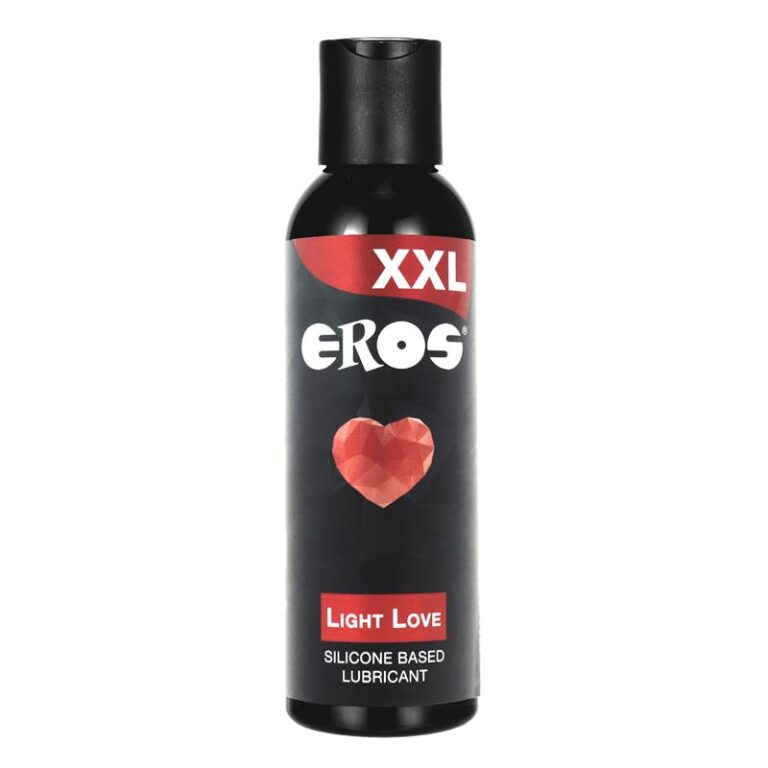
XXL Light Love Silicone Based Lubricant 600 ml
XXL Light Love Silicone Based Lubricant 300 ml
XXL Light Love Silicone Based Silicone 150 ml
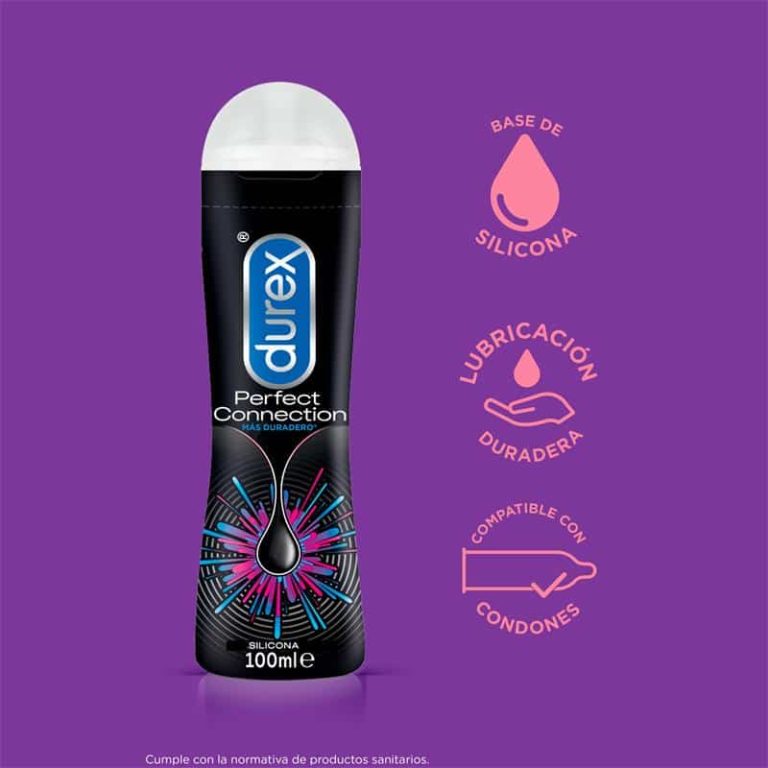
Silicone Base Lubricant Perfect Connect 50ml
Silicone Based Lubricant Toy Bottle 175 ml
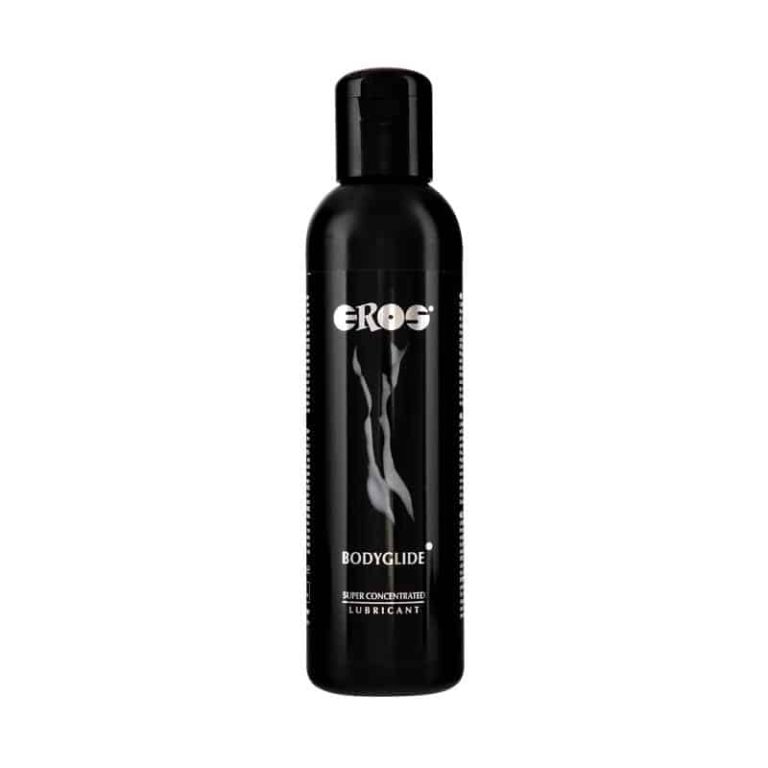
Super Concentrated Silicone Bodyglide 250 ml
Super Concentrated Silicone Bodyglide 100 ml
Super Concentrated Silicone Bodyglide 50 ml
Super Concentrated Silicone Bodyglide 30 ml
Super Concentrated Silicone Bodyglide Woman 250 ml
Super Concentrated Silicone Bodyglide Woman 100 ml
Classic Silicone Bodyglide 50 ml
Classic Silicone Bodyglide 250 ml
Classic Silicone Bodyglide 1.000 ml
Classic Silicone Bodyglide 500 ml
Toy Silicone Glide 100 ml
Silicone Glide and Care 30 ml
Anal Silicone Glide 30 ml
ilicone Based Lubricant 1000 ml
Silicone Based Lubricant 100 ml
Mega Power Toyglide 125 ml
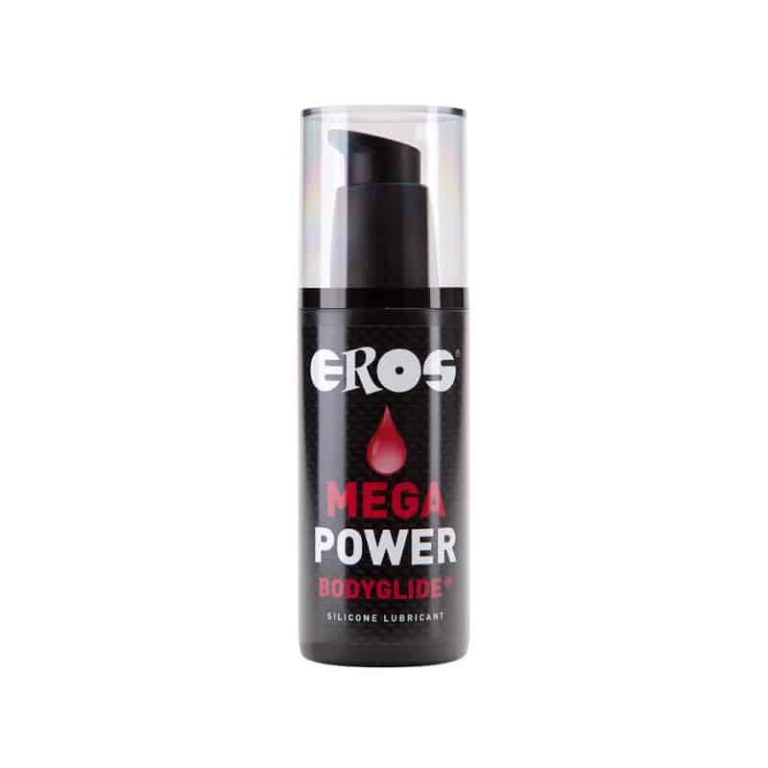
Mega Power Bodyglide 125 ml
Mega Power Bodyglide 50 ml
Mega Power Silicone Lubricant 250 ml
Classic Silicone Bodyglide 30 ml
Silk Glide Silicone Lubricant 75 ml
Ideal Use Cases — Where Silicone Excels Over All Other Bases
Shower and bath sex is the scenario where silicone-based lubricant is most dramatically superior to all alternatives. Water-based lubricant dissolves and washes away immediately upon contact with running water — making it functionally useless in the shower. Silicone-based lubricant is hydrophobic (it repels water) — running water flows over it without dissolving or displacing it. The lubricant remains on the skin surface providing friction reduction even under a direct shower stream. This makes silicone the only practical lubricant option for any sexual activity involving water: shower sex, bath sex, hot tub encounters, or pool-adjacent activity. No other base system maintains its function in the presence of water.
Extended sessions benefit enormously from silicone's persistence. For couples who enjoy long sexual encounters (45 minutes to several hours): water-based lubricant requires multiple reapplications — each one a minor interruption that breaks rhythm and requires reaching for the bottle. Silicone eliminates this entirely: a single application at the beginning of the session provides continuous friction reduction for the entire duration regardless of length. Anal sex is particularly well-served by silicone because the rectum provides no natural moisture to supplement the lubricant — silicone's refusal to dry out means the lubrication present at minute one is identically effective at minute sixty. For couples who find reapplication disruptive to their experience: silicone provides uninterrupted continuity that no other base can match.
The Feel — How Silicone Differs From Water-Based Sensation
Silicone lubricant feels distinctly different from water-based — and this difference is either an advantage or a disadvantage depending on personal preference. The sensation is typically described as: silkier (smoother, more gliding), less "wet" (it does not feel like water on the skin), more concentrated (a small amount provides significant slip), and more persistent (the slippery feeling does not fade or change character during use). Some people prefer this sensation — finding it more luxurious and less "clinical" than water-based. Others find it too slippery, too persistent, or too different from natural lubrication to feel comfortable. Neither preference is wrong — it is a matter of what sensation the individual associates with pleasure.
The quantity needed is significantly less than water-based. Silicone lubricant spreads further and maintains its coverage without reapplication — meaning a few drops provide coverage that would require a tablespoon of water-based product. Over-application is the most common beginner mistake: too much silicone lubricant creates a sensation that many describe as "too slippery" — where friction is reduced so completely that pleasurable texture and grip are lost. Start with 2-3 drops, spread across the relevant surfaces, and add more only if needed. You can always add more — but removing excess silicone lubricant requires soap, making over-application more inconvenient to correct than with water-based products where excess simply absorbs or evaporates.
Frequently Asked Questions
1. Will silicone lubricant definitely damage my silicone toys?
Not necessarily — the interaction is not universal. High-quality platinum-cured silicone toys are more resistant to surface degradation than cheaper tin-cured or peroxide-cured formulations. Some users report using silicone lubricant with premium silicone toys for years without visible damage. However: the outcome is unpredictable without testing each specific lubricant-toy combination — and damage, if it occurs, is permanent and irreversible. The safe approach: perform a spot test (apply a small amount of lubricant to the toy's base, wait 15 minutes, wipe clean, check for surface changes). If no change: the combination is likely safe. If the surface feels tacky or different: use water-based lubricant with that toy instead. The risk is real but not inevitable — informed testing eliminates uncertainty.
2. How do I remove silicone lubricant from skin?
Water alone does not remove silicone lubricant — the molecules are hydrophobic (they repel water). Soap or a surfactant-based cleanser is required: the surfactant molecules surround the silicone molecules and allow them to be rinsed away with water. A brief wash with any mild soap in the shower removes silicone lubricant completely. For quick cleanup without a full shower: intimate wipes containing surfactants work effectively. The persistent slippery feeling on skin after sex (before washing) is either an advantage (some people enjoy the continued soft feeling) or an annoyance (others find it uncomfortable on sheets or clothing) — this is a personal preference factor in choosing silicone over water-based.
3. Is silicone lubricant safe for the body?
Yes — polydimethylsiloxane (the primary ingredient) is one of the most extensively studied compounds in cosmetic and medical applications. It is used in: medical implants, baby bottle nipples, food-grade applications, cosmetic primers, scar treatment sheets, and pharmaceutical coatings. It is classified as biologically inert — meaning it does not react with body tissues, does not penetrate cell membranes, is not metabolised by the body, and does not accumulate in tissue. It sits on the surface without interacting with the biology beneath. For vaginal use: silicone lubricant does not disrupt pH, does not feed yeast, does not affect the microbiome, and does not irritate tissue in the vast majority of users. It is one of the most body-neutral lubricant options available.
4. Can I use silicone lubricant with condoms?
Yes — silicone lubricant is compatible with all condom materials (latex, polyisoprene, polyurethane). It does not degrade rubber or synthetic polymers used in condom manufacturing. In fact: many pre-lubricated condoms use silicone-based lubricant as their factory-applied lubrication — precisely because it does not evaporate during storage and maintains its slip from the moment the condom is unrolled. Silicone lubricant is one of the safest options for condom use — providing long-lasting lubrication that reduces the friction-related risk of condom breakage during extended use.
5. Does silicone lubricant stain sheets?
It can leave marks — though "stain" may be too strong a word. Silicone lubricant can leave oily-looking spots on fabric that do not wash out with water alone. Pre-treating with dish soap (which contains surfactants that break down silicone) before laundering typically removes these marks. On dark fabrics: marks are usually invisible. On light-coloured or white sheets: they may be noticeable as slightly darker spots. Prevention: lay a towel beneath the activity area, or use darker sheets on nights when silicone lubricant is planned. Compared to oil-based products: silicone marks are generally easier to remove (dish soap is usually sufficient). The marks are not permanent in most cases — but they do require surfactant treatment rather than simple water washing.
6. How much silicone lubricant should I use?
Significantly less than water-based. Silicone lubricant is highly concentrated — a few drops (approximately 0.5-1ml) provide coverage equivalent to a tablespoon of water-based product. Start with 2-3 drops, spread across both surfaces, and assess. If friction is still noticeable: add 1-2 more drops. The most common mistake is over-application — too much silicone creates excessive slipperiness where all texture and grip sensation is lost, which many people find less pleasurable than moderate lubrication. Because silicone does not evaporate: whatever amount you apply remains for the entire session. You cannot "wait for it to reduce" as you can with water-based — excess requires soap to remove. Start conservatively and add incrementally.
7. Is silicone lubricant safe for anal sex?
Silicone is often considered the ideal base for anal sex — precisely because it never dries out. The rectum produces no natural lubrication, meaning the applied lubricant must provide all friction reduction for the entire session without biological supplementation. Silicone's refusal to evaporate or absorb means a single application maintains full effectiveness indefinitely — eliminating the need for reapplication that water-based products require during anal use. The biologically inert nature of silicone also means it does not interact with rectal tissue or bacteria — it simply sits on the surface providing a friction-reducing barrier. For anal sex without silicone toys: silicone-based lubricant is arguably the optimal choice — providing the longest-lasting, most reliable lubrication for the body area that needs it most.
8. What is the difference between different silicone lubricant viscosities?
Silicone lubricants vary in thickness based on the molecular weight (chain length) of the silicone polymers used. Thin formulations use shorter-chain silicones — they feel lighter, spread more easily, and provide a more subtle lubrication that some people prefer for vaginal sex. Thick formulations use longer-chain silicones — they feel more cushioning, stay in place better on vertical surfaces, and provide more noticeable friction reduction. For anal use: thicker formulations are generally preferred (better positional stability, more cushioning for delicate tissue). For vaginal use: thinner formulations often feel more natural and less "present." For shower sex: thicker formulations resist water displacement better. The viscosity does not affect longevity — both thin and thick silicone lubricants last indefinitely without reapplication.
9. Can silicone lubricant be used for massage?
Yes — and some people prefer it over traditional massage oils. Advantages for massage: it never absorbs into the skin (providing unlimited working time without reapplication), a tiny amount covers a large area (economical), and it leaves skin feeling silky rather than oily. Disadvantages: it does not deliver active ingredients into the skin (because it does not absorb), it requires soap to remove afterward, and it can make surfaces (massage table, floor, shower) dangerously slippery if it drips. For couples who want to transition from massage to sex: silicone lubricant serves both purposes with a single product — massage glide that doubles as sexual lubrication without needing to switch products. The persistent slipperiness that makes it excellent for massage is the same property that makes it excellent for sex.
10. Do silicone lubricants expire?
Silicone lubricants are more chemically stable than water-based products — the silicone molecules themselves do not degrade easily. However: the product as a whole can still expire. Preservatives (if present) may lose effectiveness, packaging seals may degrade allowing contamination, and any non-silicone additives (vitamin E, aloe extracts found in some formulations) can oxidise over time. Most manufacturers assign a shelf life of 2-3 years — though pure silicone formulations (containing only silicone polymers with no water-based additives) may remain functional significantly longer. Signs of degradation: changed consistency (thickening or thinning), separation into layers, unusual smell, or changed colour. Pure silicone formulations with minimal additives are among the most shelf-stable intimate products available — but checking the expiry date and inspecting the product before use remains good practice.
Our Product & Trust Standards
Products curated within this category are evaluated within erotica-shop.eu’s framework for material considerations, product integrity, editorial standards, and customer privacy.
Material Standards: Learn about our material selection criteria, chemical compliance considerations, and product-safety standards. Read Material Safety Standards →