
Product categories
- Women
- Men
- Couples
- Fetish
- Lingerie
- Funny sextoys
- Offers
Filter by price
🚚 FAST EU DELIVERY
🛡️ BODY-SAFE PRODUCTS
🔒 SECURE PAYMENT
📦 DISCREET SHIPPING
Conductive Pads – Targeted Pulse Distribution & Controlled Electro Stimulation
Broader contact, deeper pulse flow and sensory escalation that evolves with every rhythm shift
Explore conductive pads designed to transform how electro stimulation spreads through muscles, nerves and body tension. Inside advanced electrosex systems, conductive placement changes far more than simple intensity. Larger conductive surfaces create rolling waves of muscular engagement that feel immersive and difficult to mentally escape from, while narrower contact zones sharpen pulse response into focused concentrated reactions that arrive faster and hit harder psychologically.
Unlike isolated stimulation points that create repetitive pulse impact in the same exact area, conductive pads distribute sensation across wider surfaces, allowing tension to develop gradually instead of peaking too quickly. Slow pulse waves become heavier. Rhythm transitions feel smoother. Anticipation builds longer because the nervous system stays partially activated between every stimulation cycle. Pairing conductive setups with electro stimulators creates a more controlled sensory progression where pulse variation continuously changes how the body reacts.
Restriction amplifies conductive stimulation dramatically because muscular positioning directly affects how pulses travel across the body. Combining electro setups with structured restraint cuffs keeps tension fixed instead of allowing movement to diffuse sensation away from responsive areas. Even moderate pulse variation suddenly feels more immersive because conductive flow remains centered while the nervous system loses its ability to physically regulate incoming stimulation through repositioning.
Psychological intensity rises even further once visual certainty disappears. Introducing blindfolds removes timing awareness completely, forcing anticipation to build through rhythm memory and nerve response alone. Every pause stretches longer emotionally. Every pulse transition feels less predictable. The body stays mentally engaged because conductive stimulation never settles into one stable pattern long enough for complete adaptation.
Showing all 6 resultsSorted by popularity
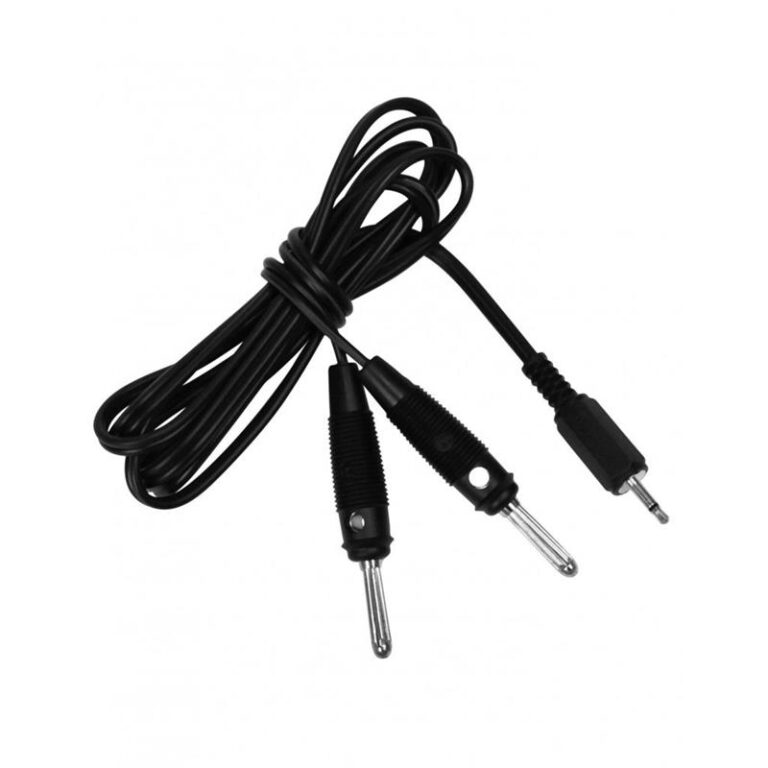
Lead Wire with Banana Plugs
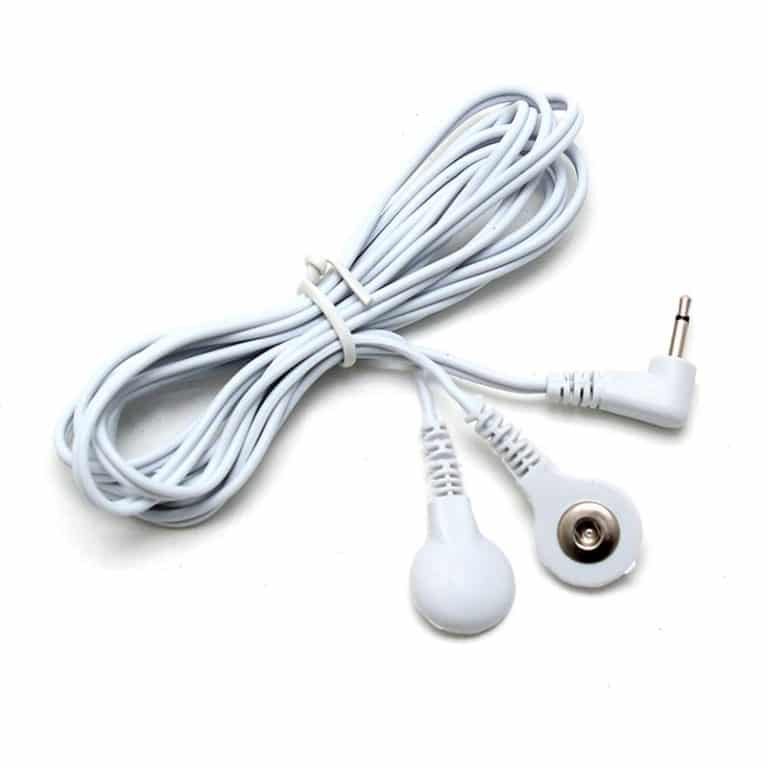


Electro shock y vibro-bullets
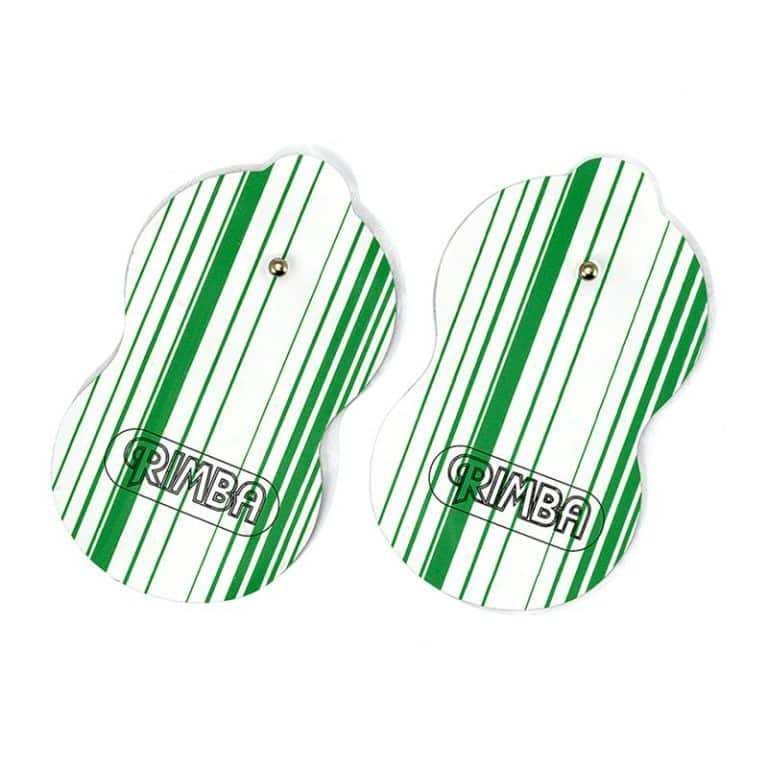
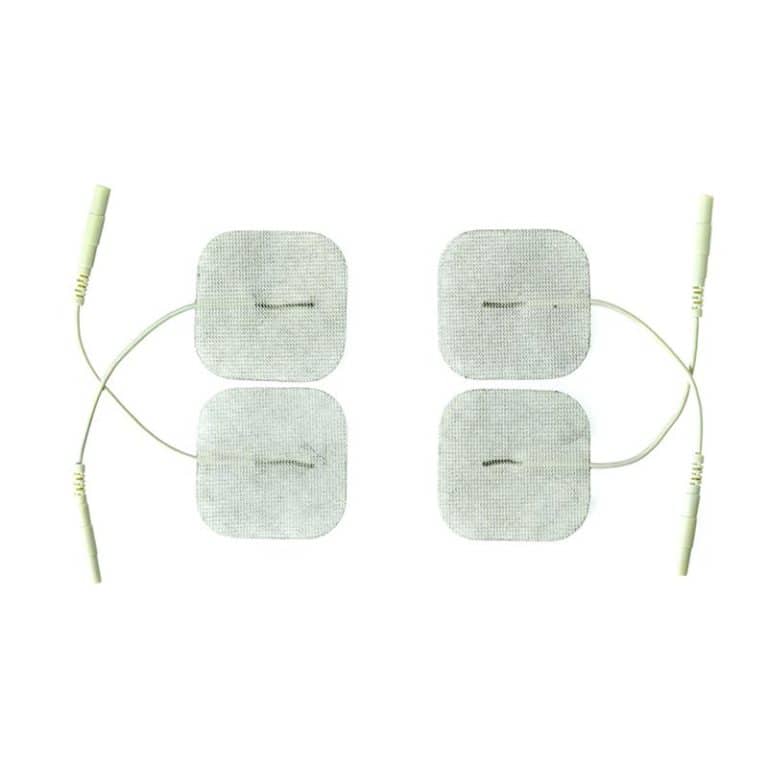


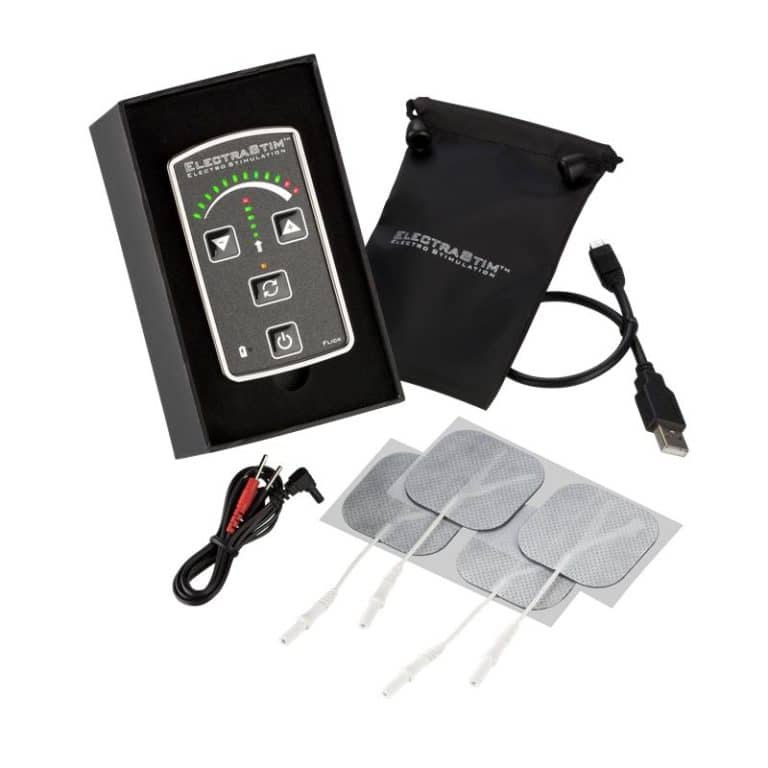
Flick Electro Stimulation Pack
Conductive Pads Transform Electro Stimulation by Spreading Tension Across the Entire Nervous System
Most people initially focus on pulse intensity when exploring electro stimulation, but conductive pads completely change the experience because they reshape how sensation spreads through muscles, nerves and physical tension across the body. Instead of creating isolated stimulation points that repeatedly hit the same exact area, conductive surfaces distribute pulse flow across broader zones, creating rolling muscular engagement that feels immersive long before intensity even peaks. The nervous system reacts differently because sensation no longer arrives as one sharp impact. It spreads. Builds. Expands gradually underneath the skin.
That broader pulse distribution changes psychological pacing dramatically. Slow rolling frequencies suddenly feel heavier because tension develops continuously across larger body areas instead of appearing and disappearing instantly. Muscles remain partially activated between stimulation cycles, which keeps anticipation alive underneath every rhythm transition. The body never fully resets because conductive flow continues carrying residual tension even during quieter pulse phases.
Inside advanced electrosex systems, conductive pads become one of the most important tools for controlling escalation and sensory pacing. Larger conductive surfaces create immersive waves of muscular contraction that feel consuming and difficult to mentally escape from, while smaller contact areas sharpen pulse response into concentrated reaction spikes that interrupt stability instantly. Alternating between those configurations prevents the nervous system from adapting too quickly and keeps psychological tension evolving continuously throughout the experience.
Pulse rhythm becomes dramatically more immersive once conductive spread increases across wider areas. Slow wave frequencies create sustained muscular engagement that lingers beneath the surface instead of fading immediately after each pulse cycle. Faster frequencies behave differently because conductive surfaces amplify reaction speed while maintaining broader tension underneath sharper pulse spikes. The nervous system keeps recalibrating because stimulation patterns never fully stabilize into predictable repetition.
Conductive systems become even more psychologically intense once paired with precision electro stimulators capable of controlled pulse variation. Small rhythm adjustments suddenly create dramatically different reactions because broader conductive placement magnifies how pulses travel across muscles and nerves. One moment stimulation feels smooth and immersive. Seconds later, the exact same conductive setup produces sharper focused tension simply through pulse variation alone.
Restriction intensifies conductive stimulation aggressively because movement normally allows the body to redirect or soften incoming sensation. Pairing conductive setups with structured restraint cuffs keeps muscular tension fixed while conductive flow remains centered directly across responsive areas. The body loses its ability to physically regulate stimulation through repositioning, which causes even moderate pulse variation to feel psychologically heavier and significantly more immersive.
Visual uncertainty amplifies conductive response even further because the nervous system can no longer prepare accurately for pulse transitions. Introducing blindfold-based sensory restriction removes timing certainty completely, forcing the body to rely entirely on expectation, muscular memory and nerve response instead of visual anticipation. Every pause stretches emotionally. Every pulse feels harder to predict because the nervous system stays suspended inside unresolved expectation from beginning to end.
At advanced levels, conductive pads stop functioning as simple electro accessories and become full sensory distribution systems where pulse rhythm, muscular engagement, restraint and anticipation continuously reinforce one another. The strongest conductive setups rarely depend on uncontrolled power. They depend on layered escalation, stable conductive flow and psychological pacing precise enough to keep the nervous system mentally activated long before the next pulse even arrives.
Broader Conductive Contact Creates Deeper Immersion by Preventing the Nervous System From Fully Resetting
Sharp isolated stimulation creates immediate reaction spikes, but conductive pads change electro response entirely because they distribute pulse flow across wider areas that keep muscular tension active for much longer periods. Instead of short isolated reactions appearing and disappearing instantly, conductive contact creates layered sensory engagement that spreads gradually beneath the skin and lingers between every pulse cycle. The nervous system never fully resets because tension continues existing underneath the surface even during slower rhythm transitions.
That lingering tension changes psychological immersion dramatically. The body remains partially activated at all times because conductive spread creates residual anticipation between pulses instead of complete sensory silence. Breathing changes automatically. Muscles tighten subtly in preparation for the next rhythm shift. The nervous system starts reacting not only to stimulation itself, but also to the possibility of stimulation returning at any moment. Anticipation becomes inseparable from the conductive experience.
Inside advanced electrosex environments, conductive pads become essential because they allow pulse rhythm to evolve gradually instead of collapsing into repetitive isolated impact. Larger conductive surfaces create immersive rolling waves that spread through wider muscle groups, producing heavy sustained engagement that feels psychologically consuming over time. Smaller conductive placements behave differently by narrowing pulse response into concentrated focused areas where rhythm changes hit harder and feel significantly sharper mentally.
Pulse pacing becomes dramatically more important once conductive contact broadens across larger areas. Slow frequencies generate continuous muscular pressure that feels increasingly immersive because tension remains active long after each pulse fades. Faster frequencies interrupt that rolling stability with sharper concentrated reactions that instantly redirect attention and prevent emotional adaptation. The nervous system keeps recalibrating because stimulation never stays predictable long enough for full stabilization.
Pairing conductive systems with precision electro stimulators amplifies this even further because pulse width, rhythm variation and conductive spread begin interacting continuously. Small frequency changes suddenly create completely different muscular responses simply because conductive distribution alters how pulses travel through the body. One setup can shift from smooth immersive tension into concentrated psychological intensity within seconds without changing conductive placement itself.
Restriction intensifies conductive immersion aggressively because movement normally gives the body small subconscious ways to regulate incoming stimulation. Pairing conductive setups with structured restraint cuffs removes those adjustments completely and keeps conductive tension centered across the same highly responsive areas continuously. Even moderate pulse levels suddenly feel dramatically heavier once muscular release becomes limited and conductive flow remains uninterrupted.
Psychological tension rises even further once visual timing disappears. Combining conductive electro systems with blindfold-based sensory restriction removes certainty surrounding pulse transitions entirely. The nervous system can no longer visually prepare for rhythm changes, which causes every pause to stretch emotionally and every pulse to feel less predictable. Silence itself becomes active anticipation because conductive tension never fully disappears beneath the surface.
At advanced levels, conductive pads become more than accessories attached to electro systems. They become tools for controlling emotional pacing, muscular engagement and anticipation simultaneously. The strongest setups rarely rely on overwhelming force alone. They rely on sustained conductive immersion layered carefully enough that the nervous system remains mentally suspended inside tension long before the next pulse even arrives.
Conductive Pads Increase Psychological Intensity by Making Every Pulse Feel Less Escapable
Isolated stimulation points create reactions that arrive sharply and disappear quickly, but conductive pads change the emotional structure of electro stimulation because sensation spreads wider and lingers longer across the body. That wider conductive flow removes the clean separation between one pulse and the next. Tension remains active underneath the skin even during quieter rhythm phases, which creates a feeling of continuous exposure instead of isolated stimulation moments.
The nervous system responds aggressively to that sustained engagement because it never fully receives permission to relax. Muscles stay partially activated. Breathing becomes shallower during pulse transitions. Anticipation keeps building even while stimulation temporarily slows because conductive spread maintains residual tension across wider areas. The body starts reacting to expectation itself rather than stimulation alone.
Inside advanced electrosex systems, conductive pads become powerful because they allow pulse rhythm to shape emotional pacing instead of functioning as simple reaction triggers. Larger conductive surfaces create immersive muscular engagement that spreads gradually across broader zones, producing slow heavy escalation that feels psychologically consuming over time. Smaller conductive points behave differently by narrowing sensation into concentrated reaction areas where pulse spikes land faster and feel significantly more invasive mentally.
This variation matters because the nervous system adapts quickly to repetitive stimulation patterns. Conductive distribution prevents that adaptation by continuously changing how pulses interact with muscles and nerves. One moment the body experiences rolling sustained tension across larger areas. Seconds later, pulse response sharpens into focused concentrated reactions that interrupt emotional stability instantly. The body keeps recalibrating because stimulation never fully stabilizes into predictable repetition.
Pairing conductive setups with precision electro stimulators amplifies this effect dramatically because rhythm control and conductive spread begin interacting together continuously. Small pulse adjustments suddenly create completely different reactions simply because conductive placement changes how current travels through muscles and nerve pathways. Smooth wave frequencies become heavier. Sharp bursts become more psychologically invasive. The exact same conductive system can create radically different emotional pacing depending on rhythm variation alone.
Restriction intensifies conductive response even further because movement normally provides subtle subconscious ways to escape concentrated tension. Pairing conductive electro systems with structured restraint cuffs removes those adjustments entirely, keeping conductive flow locked across the same responsive areas continuously. The nervous system absorbs every pulse more directly because muscular release and repositioning become limited. Even lower frequencies suddenly feel dramatically more immersive once physical escape routes disappear.
Sensory restriction increases psychological weight even more aggressively. Combining conductive stimulation with blindfold-based visual limitation removes pulse timing certainty completely, forcing the nervous system to depend only on expectation and nerve memory. Every pause stretches longer emotionally because the body can no longer visually prepare for rhythm changes. Silence becomes part of the stimulation itself because anticipation never fully resolves between pulse cycles.
At advanced levels, conductive pads stop functioning as passive electro accessories and become systems for controlling anticipation, muscular tension and emotional pacing simultaneously. The deepest conductive experiences rarely come from uncontrolled intensity alone. They come from precise layering strong enough that the nervous system stays psychologically suspended inside expectation long before the next pulse ever arrives.
Advanced Conductive Setups Depend on Rhythm Stability, Layered Tension & Continuous Sensory Flow
As electro stimulation becomes more advanced, conductive pads stop functioning as simple contact surfaces and begin shaping the entire psychological structure of the experience. Stable conductive flow changes how the nervous system processes anticipation because tension remains active across broader areas instead of appearing in isolated bursts that fade instantly. The body stays partially engaged continuously. Muscles never fully release. Anticipation keeps circulating underneath every rhythm transition because conductive spread prevents sensation from completely disappearing between pulse cycles.
This is what separates immersive conductive setups from repetitive pulse patterns that emotionally flatten too quickly. Rolling wave frequencies create sustained muscular engagement that spreads gradually through larger body areas, producing heavy immersive tension that builds over time instead of peaking immediately. Faster pulse spikes interrupt that stability suddenly, creating concentrated reaction surges that reset awareness across the nervous system and prevent emotional adaptation from taking control.
Inside advanced electrosex environments, conductive distribution becomes one of the most important tools for controlling escalation because broader contact surfaces allow pulse rhythm to evolve naturally without breaking immersion. Larger conductive systems create continuous muscular tension that feels psychologically consuming over longer periods, while smaller conductive points narrow sensation into focused concentrated reactions where every pulse feels sharper and more emotionally invasive. Switching between those configurations prevents the nervous system from stabilizing and keeps anticipation evolving continuously.
Pulse consistency matters enormously once conductive placement broadens across wider body areas. Unstable contact breaks psychological pacing immediately because tension collapses instead of continuing smoothly underneath the surface. Pairing conductive systems with precision electro stimulators allows pulse variation to remain controlled while conductive flow stays stable during escalation. The nervous system remains emotionally suspended because stimulation evolves naturally instead of constantly resetting through interruption.
Restriction amplifies conductive intensity even further because muscular positioning directly changes how pulses travel across the body. Pairing conductive electro systems with structured restraint cuffs removes subconscious movement that would normally diffuse incoming stimulation away from responsive areas. Conductive flow remains centered while the body loses its ability to physically regulate tension through repositioning. Even slower pulse waves suddenly feel dramatically heavier because muscular engagement stays fixed throughout the entire escalation cycle.
Sensory uncertainty strengthens conductive immersion aggressively because the nervous system can no longer visually prepare for pulse transitions once timing disappears. Introducing blindfold-based sensory restriction removes visual orientation completely, forcing the body to depend only on expectation, rhythm memory and muscular response. Every silence becomes emotionally loaded because anticipation keeps building underneath stable conductive tension without clear resolution.
Advanced conductive systems also depend heavily on stable connection precision during longer immersive sessions. Integrating electro connection accessories keeps conductive flow consistent during posture adjustments, restraint transitions and escalating pulse variation. Stable contact prevents immersion from collapsing through interruption and allows emotional pacing to continue building naturally instead of restarting repeatedly throughout the session.
At advanced levels, conductive pads evolve into full sensory distribution systems where pulse rhythm, muscular tension, restraint and anticipation continuously reinforce one another. The deepest conductive experiences rarely depend on uncontrolled force. They depend on sustained immersion, stable conductive flow and psychological pacing precise enough to keep the nervous system mentally engaged long before the next pulse ever arrives.
FAQ – Conductive Pads, Pulse Distribution & Electro Stimulation Flow
What makes conductive pads feel different from smaller electro contact points?
Conductive pads change electro stimulation completely because they spread pulse flow across broader body areas instead of concentrating everything into one narrow contact point. Smaller conductive contacts often create sharp isolated reactions that feel immediate and highly focused, while broader conductive surfaces create rolling muscular engagement that develops gradually underneath the skin. The sensation becomes less about isolated pulse impact and more about continuous tension spreading across muscles and nerves over time.
That broader distribution changes psychological immersion dramatically because the nervous system never fully resets between stimulation cycles. Muscles stay partially activated. Anticipation remains active underneath every pulse transition. Even slower frequencies begin feeling heavier because conductive spread allows residual tension to linger between rhythm changes instead of disappearing instantly.
Combining conductive pad systems with precision electro stimulators and structured restraint cuffs creates deeper sensory layering because conductive flow, pulse rhythm and muscular tension all begin interacting continuously.
Why do conductive pads create stronger anticipation during electro play?
Conductive pads create stronger anticipation because tension continues spreading across the body even after individual pulses fade. Unlike isolated contact systems that create short reaction spikes followed by complete sensory reset, conductive surfaces maintain muscular engagement between pulse cycles. The nervous system stays partially activated continuously, which causes anticipation to keep building underneath every rhythm change instead of fully disappearing between stimulation phases.
This changes the emotional pacing dramatically. Silence stops feeling neutral. Small pauses suddenly feel psychologically loaded because the body keeps expecting stimulation to return at any moment. Muscles tighten automatically. Breathing changes. The nervous system starts reacting not only to pulses themselves, but also to the expectation surrounding future pulse transitions.
Pairing conductive electro systems with blindfold-based sensory restriction and stable electro accessories intensifies anticipation even further because pulse timing and conductive flow remain psychologically unresolved throughout escalation.
How do larger conductive surfaces change pulse intensity?
Larger conductive surfaces distribute electrical flow across wider muscle groups and skin areas, which changes how the body experiences pulse intensity entirely. Instead of feeling like one narrow concentrated reaction, stimulation spreads gradually through broader zones and creates rolling muscular tension that develops over time. The sensation often feels deeper and more immersive because the nervous system processes ongoing muscular engagement differently than isolated pulse spikes.
This broader distribution also allows pulse rhythm to evolve more naturally during longer sessions. Slow wave frequencies become heavier and psychologically consuming because muscular tension remains active beneath the surface continuously. Faster frequencies behave differently by creating sharper interruptions within that rolling tension, forcing the nervous system to keep recalibrating instead of emotionally stabilizing.
Combining larger conductive pads with pulse-controlled electro stimulators and body positioning systems creates significantly deeper muscular awareness and more immersive sensory pacing.
Why does restraint make conductive stimulation feel more intense?
Movement naturally helps the body reduce concentrated tension by subtly redirecting muscular engagement away from highly responsive areas. Restriction removes those subconscious adjustments completely. When conductive pads remain fixed against the body while movement becomes limited, pulse flow continues spreading through the same exact muscular pathways without interruption. The nervous system absorbs stimulation more directly because tension can no longer diffuse naturally through repositioning.
This creates dramatically stronger psychological immersion because the body stays locked inside continuous conductive flow instead of resetting between stimulation phases. Even moderate pulse variation suddenly feels heavier once muscular release becomes limited. Anticipation remains active constantly because the nervous system realizes stimulation cannot easily be softened through movement anymore.
Pairing structured restraint cuffs with conductive pad systems and electro pulse stimulators creates concentrated sensory immersion where every pulse feels psychologically heavier and significantly harder to mentally escape from.
Can conductive pads create immersion without extremely high pulse levels?
Absolutely. Some of the deepest conductive experiences rely far more on sustained tension, anticipation and pulse pacing than maximum electrical intensity alone. Extremely aggressive output often overwhelms the nervous system too quickly, causing emotional flattening instead of deeper immersion. Conductive pads work differently because broader pulse spread allows tension to remain active continuously without requiring constant maximum intensity.
Slow rolling frequencies can become psychologically consuming once conductive flow spreads across larger muscular areas and anticipation continues building between pulse transitions. The body stays mentally engaged because tension never fully disappears. Silence itself becomes part of the experience once the nervous system starts waiting for stimulation to return continuously.
Combining immersive conductive systems with visual sensory restriction and body restraint positioning creates escalation through anticipation and sustained muscular engagement rather than uncontrolled intensity alone.
How do blindfolds change conductive electro experiences?
Visual timing plays a major role in how the nervous system prepares for stimulation. Once sight disappears, the body loses its ability to accurately predict pulse transitions and rhythm shifts. Conductive pads intensify this dramatically because broader tension remains active beneath the surface continuously, even during quieter pulse phases. The nervous system stays partially engaged at all times because conductive flow never fully disappears.
This changes anticipation completely. Small pauses suddenly feel much longer emotionally because there is no visual cue confirming when stimulation may return. Every pulse becomes psychologically heavier because uncertainty keeps building underneath sustained conductive tension. Silence itself starts carrying emotional weight once the body realizes stimulation can restart at any moment.
Combining blindfold-based sensory restriction with conductive electro systems and restraint positioning setups creates deeply immersive escalation where pulse timing and muscular anticipation remain psychologically unresolved throughout the session.
How does body positioning affect conductive pad response?
Body positioning changes conductive stimulation dramatically because pulse flow travels differently depending on muscular tension and posture alignment. Even small adjustments alter how electrical sensation spreads across the body. Relaxed positioning often creates smoother rolling tension that feels immersive and continuous, while increased muscular engagement sharpens conductive response into more concentrated reactions that feel psychologically heavier and significantly harder to ignore.
This becomes especially important during longer electro sessions because the nervous system starts reacting to posture itself as part of the anticipation cycle. Muscles tighten automatically before pulses return. Breathing changes depending on tension distribution. The body remains mentally engaged because positioning directly affects how future conductive flow will feel.
Combining body positioning harness systems with conductive electro pads and precision pulse stimulators creates significantly deeper muscular awareness because conductive flow, tension and anticipation begin reinforcing one another continuously.
Why do conductive pads feel more immersive during slower pulse rhythms?
Slower pulse rhythms often feel more immersive with conductive pads because broader pulse spread allows muscular tension to build gradually instead of peaking instantly and disappearing. Conductive surfaces maintain residual stimulation between wave cycles, which means the nervous system never fully resets during slower frequencies. Tension lingers underneath the surface continuously, creating emotional pressure that keeps increasing over time.
That sustained engagement changes anticipation completely. The body remains partially activated even during quieter rhythm phases because conductive flow continues spreading subtle muscular tension beneath the skin. Slow frequencies begin feeling psychologically heavy because the nervous system keeps waiting for the next pulse transition instead of emotionally stabilizing between cycles.
Layering broad conductive systems with blindfold-driven sensory uncertainty and restraint-focused positioning intensifies immersion dramatically because anticipation remains active throughout every slow pulse transition.
What role do electro accessories play in conductive setups?
Electro accessories become critically important during advanced conductive setups because stable connection flow determines whether immersion continues smoothly or collapses through interruption. Conductive pads rely heavily on consistent pulse delivery across broader areas, which means unstable contact instantly disrupts emotional pacing and weakens anticipation that has been building gradually over time.
Advanced conductive systems also require flexibility because pulse distribution often shifts between broad immersive tension and focused concentrated stimulation throughout the session. Specialized accessories help maintain conductive stability while allowing rhythm variation and posture adjustments to continue naturally without breaking escalation.
Combining electro connection accessories with conductive stimulation systems and body restraint positioning creates smoother escalation and significantly deeper conductive continuity during longer electro sessions.
Why do conductive setups avoid becoming emotionally repetitive?
Conductive setups avoid emotional repetition because pulse spread continuously changes how stimulation interacts with muscles and nerves across the body. Repetitive isolated stimulation eventually becomes predictable, which lowers anticipation and weakens sensory engagement over time. Conductive systems prevent this by distributing pulse flow across broader areas where rhythm variation constantly changes muscular response and emotional pacing.
One moment the body experiences slow rolling tension across larger muscle groups. Seconds later, pulse variation sharpens sensation into concentrated reaction points that interrupt emotional stability immediately. Then silence appears unexpectedly while residual conductive tension continues beneath the surface. The nervous system stays mentally engaged because stimulation patterns never stabilize completely.
Pairing conductive electro systems with pulse-controlled stimulators and restraint-focused positioning creates evolving sensory escalation that continues shifting instead of emotionally flattening into repetition.
How does anticipation become stronger with conductive stimulation?
Conductive stimulation strengthens anticipation because broader pulse spread prevents tension from fully disappearing between stimulation cycles. The nervous system remains partially activated continuously, which means the body keeps preparing for future pulse transitions even during quieter phases. Muscles stay subtly engaged. Breathing changes automatically. Silence itself begins carrying emotional weight once anticipation becomes connected to sustained conductive tension.
This creates a very different psychological structure compared to isolated stimulation points that allow complete emotional reset between reactions. Conductive systems maintain ongoing muscular awareness that keeps the body mentally suspended inside expectation rather than moving cleanly between stimulation and recovery.
Combining immersive conductive systems with visual sensory restriction and stable conductive accessories intensifies anticipation further because pulse timing and tension remain psychologically unresolved across every rhythm transition.
What creates the deepest immersion during conductive electro sessions?
The deepest conductive immersion usually comes from sustained tension, stable pulse flow and layered anticipation working together continuously rather than maximum intensity alone. Once conductive spread, restraint, pulse variation and sensory uncertainty begin reinforcing one another, the nervous system stops reacting only to individual pulses and starts experiencing the entire session as one connected emotional environment.
This is where advanced conductive systems become psychologically consuming. The body remains mentally engaged during pauses, rhythm shifts and posture changes because every adjustment affects how future stimulation may behave. Anticipation keeps building underneath stable conductive flow even during silence, which creates immersion that feels continuous instead of fragmented into isolated reactions.
Combining advanced conductive pad systems with body positioning restraint and blindfold-driven sensory limitation creates a fully connected conductive environment where muscular tension, pulse rhythm and psychological anticipation continuously reinforce each other from beginning to end.