
Product categories
- Women
- Men
- Couples
- Fetish
- Lingerie
- Funny sextoys
- Offers
Filter by price
🚚 FAST EU DELIVERY
🛡️ BODY-SAFE MATERIALS
🔒 SECURE PAYMENT
📦 DISCREET SHIPPING
Seats and Pillows – Positioning, Support & Controlled Movement
Body positioning, deeper angles and stable support that intensify pressure, pacing and physical focus
Seats and pillows change physical awareness immediately because positioning controls pressure, angles and movement without requiring constant adjustment. The body settles differently once support becomes stable. Small shifts suddenly feel amplified when posture, elevation and pacing align naturally instead of forcing tension through uncomfortable positioning. Inside larger couples collections, positioning pillows and support wedges create slower, more immersive body control through stability and controlled movement rather than aggressive intensity alone.
That support changes the atmosphere quickly. Wedge pillows create deeper positioning angles and concentrated pressure during slower pacing, while supportive seats reduce unnecessary movement and keep physical awareness focused for longer periods. Many users prefer positioning systems during extended sessions because the body stops fighting uncomfortable angles and starts reacting more directly to pressure, pacing and controlled contact instead. The rhythm becomes smoother. Heavier. Much more deliberate.
Movement restriction deepens that immersion further. Pairing positioning pillows with structured restraint systems keeps body positioning stable while reducing unconscious repositioning habits that normally interrupt tension and pacing. Sensory limitation through blindfold-based sensory control intensifies those slower movements dramatically because the body starts focusing entirely on pressure shifts, positioning changes and anticipation instead of visual pacing cues. Then even smaller angle changes begin reshaping the entire sensation profile.
Showing all 8 resultsSorted by popularity
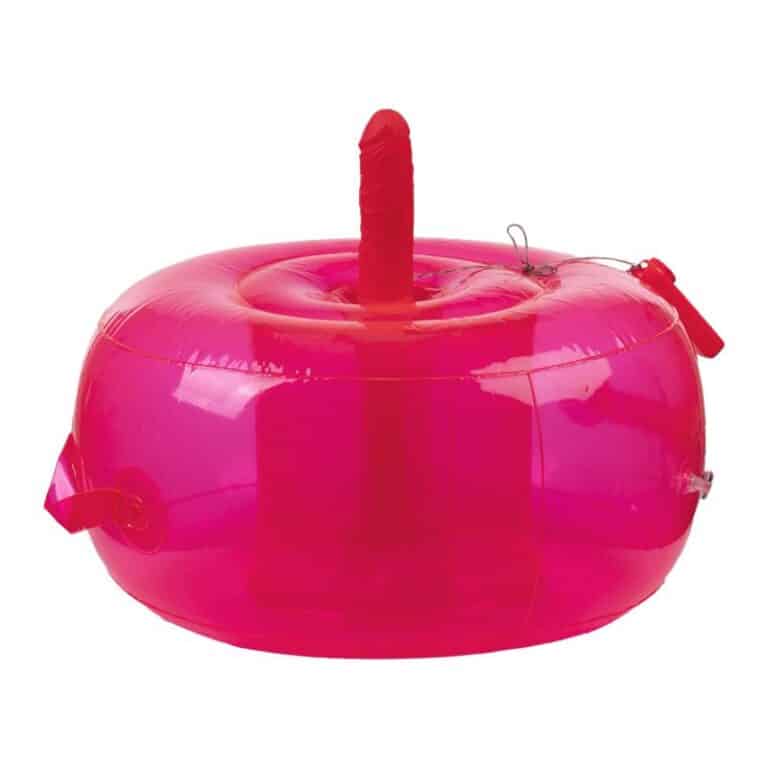
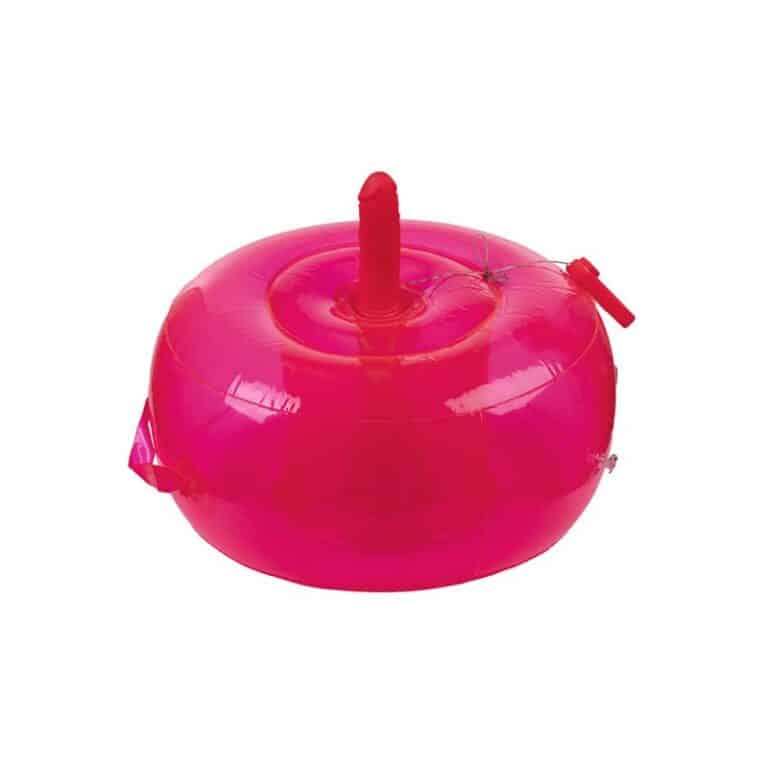
Inflatable Cushion with Vibrating Dildo and Rmote Ding Dong


Inflatable BDSM Sofa Total Domination


Inflatable Sofa Spice Up Your Party 150 CM


Rebellion Reign Dildo Saddle

Leg holders, 2 pcs


Luka Seat with Vibrator, Finger, Heat Effect and Rotating Beads
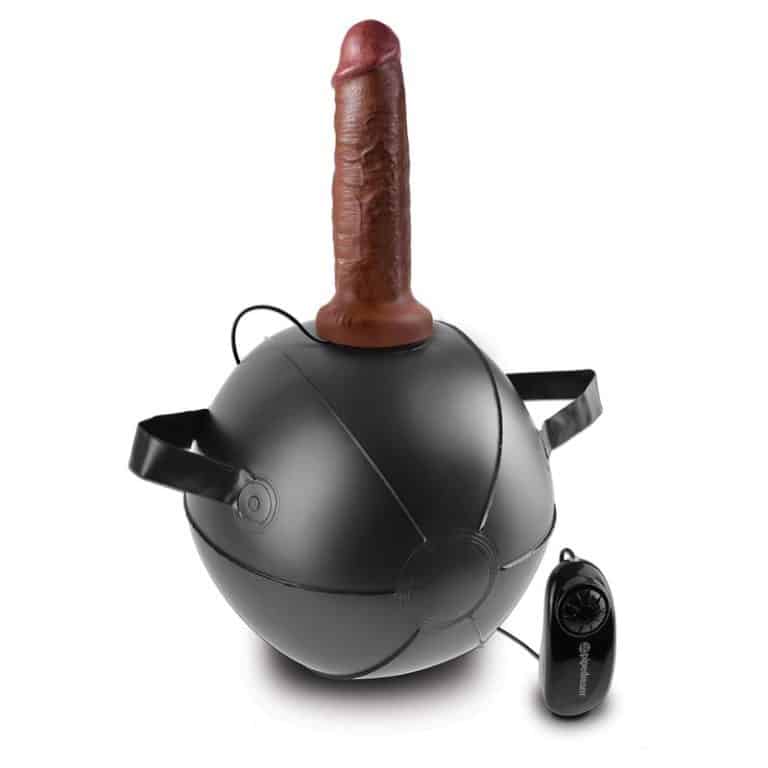
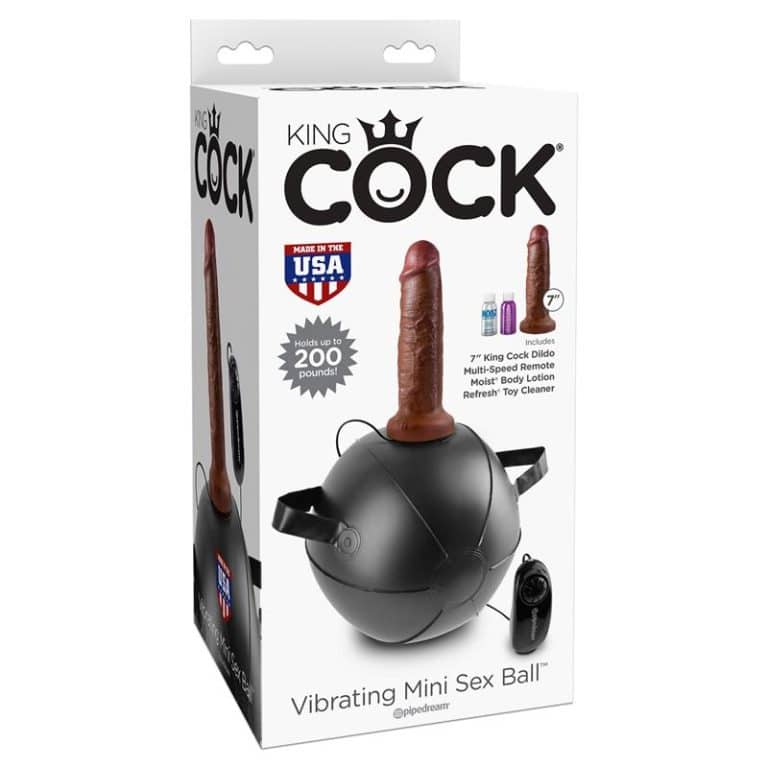
King Cock Vibrating Mini Sex Ball with 7 Dildo – Brown
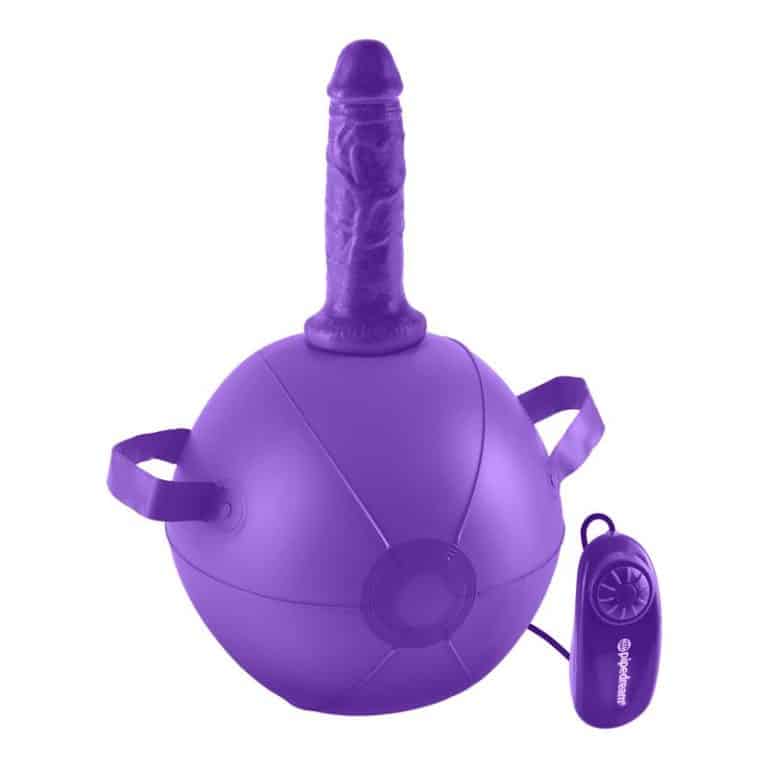
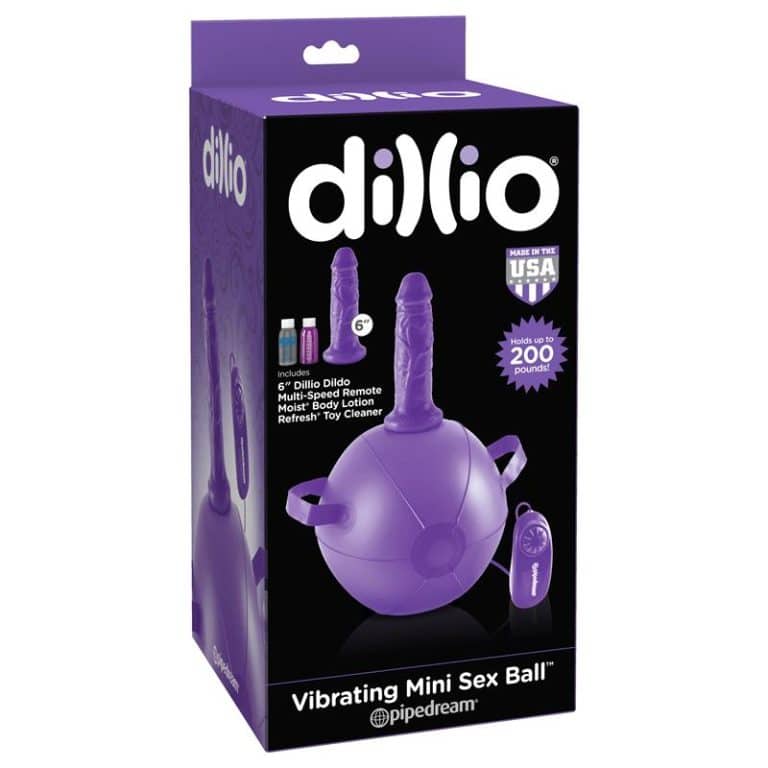
Vibrating Mini Sex Ball with Vibration Purple
Seats And Pillows Intensify Physical Awareness Because Positioning Controls The Entire Pace
Seats and pillows change the sensation profile immediately because stable positioning keeps pressure, posture and movement aligned without constant physical adjustment interrupting the rhythm. The body settles differently once support becomes controlled instead of reactive. Small angle changes suddenly feel amplified when positioning stays stable long enough for physical awareness to concentrate naturally around pressure and pacing.
That controlled support changes anticipation dramatically because the body no longer wastes energy compensating for unstable posture or uncomfortable positioning. Slower sessions often become far more immersive once movement starts feeling deliberate instead of constantly corrective. The rhythm tightens gradually there. Then even small movements begin carrying heavier physical weight.
Inside larger couples collections, positioning wedges and support pillows stand apart through body control and angle-focused pressure rather than direct intensity alone. Wedge pillows create deeper positioning and concentrated contact during slower pacing, while supportive seats reinforce posture stability and reduced movement freedom during prolonged sessions focused on controlled pressure.
Sensory restriction intensifies those positioning shifts immediately. Removing visual pacing cues through blindfold-based sensory limitation forces the body to focus directly on pressure, angle changes and anticipation instead of visual reassurance interrupting the pacing structure. Smaller adjustments begin feeling psychologically amplified once the body cannot predict movement visually anymore.
Movement restriction deepens that atmosphere further. Pairing positioning systems with structured restraint systems keeps posture stable while reducing unconscious repositioning habits normally used to diffuse physical tension naturally. The body remains connected to pressure much longer once movement freedom narrows and support keeps the angles controlled continuously.
Different positioning systems shape pacing very differently as well. Firm wedge pillows create stronger elevation and deeper body positioning during slower thrust patterns, while softer support cushions maintain prolonged comfort and stable pressure during extended sessions. Curved positioning seats often reinforce hip elevation and reduced movement freedom, which changes body awareness immediately during controlled pacing.
Longer sessions often become more immersive precisely because the body stops fighting positioning completely once support remains stable enough. Pressure settles deeper instead of fading. Movement becomes more deliberate. Anticipation starts building automatically during even smaller angle shifts or slower pacing transitions.
Positioning-focused pacing works best when support controls movement gradually instead of forcing aggressive intensity immediately. Stable elevation. Controlled posture. Pressure remaining physically concentrated long enough for even tiny adjustments to reshape the entire rhythm.
Seats And Pillows Create Deeper Tension Because Stable Positioning Keeps The Body Fully Engaged
Seats and pillows change physical pacing because stable support keeps the body aligned during pressure, movement and slower positioning shifts without constant correction interrupting the rhythm. The body reacts differently once posture becomes controlled instead of unstable. Small angle changes suddenly feel amplified when positioning remains physically supported long enough for awareness to settle deeply into the movement itself.
That controlled positioning changes anticipation immediately because the body stops compensating for discomfort and starts focusing directly on pressure, pacing and contact instead. Slower sessions often become much more immersive once movement feels intentional rather than corrective. The atmosphere narrows gradually there. Then even stillness begins reinforcing the tension automatically.
Inside larger couples collections, positioning wedges and support pillows stand apart through posture control and angle-focused pressure rather than aggressive intensity alone. Elevated wedge systems create deeper positioning and concentrated physical awareness during slower pacing, while supportive seats stabilize movement and reinforce reduced repositioning during prolonged sessions focused on controlled rhythm.
Sensory restriction sharpens those angle changes dramatically. Removing visual pacing cues through blindfold-focused sensory control forces the body to process pressure shifts, positioning and anticipation without visual reassurance interrupting the pacing structure. Tiny movements suddenly feel psychologically amplified once uncertainty becomes part of the rhythm itself.
Movement restriction deepens that atmosphere even further. Pairing positioning pillows with structured restraint systems reduces unconscious repositioning and keeps body awareness concentrated around posture and pressure much longer. The body loses many natural tension-release habits once stable support and reduced movement freedom start controlling the pacing together.
Different support systems influence the sensation profile in very different ways as well. Firm angled wedges create stronger elevation and concentrated contact during deeper positioning, while softer positioning cushions maintain prolonged comfort and smoother pacing during extended sessions. Curved seats often reinforce hip positioning and controlled posture automatically once the body settles fully into the support structure.
Longer sessions become more immersive precisely because stable positioning removes unnecessary distraction from the body completely. Pressure settles deeper instead of fading naturally. Movement becomes slower. Anticipation stays physically active quietly in the background during even minor angle adjustments or controlled pacing shifts.
Positioning-focused support works best when the body remains physically stable long enough for smaller pressure shifts to reshape awareness automatically. Controlled elevation. Reduced movement. The pacing tightening gradually before the next adjustment even arrives.
Seats And Pillows Feel More Immersive Once Positioning Stops Breaking The Rhythm
Seats and pillows create a different physical atmosphere because stable positioning removes the constant interruption caused by uncomfortable angles and reactive movement adjustments. The body settles deeper once posture stays supported continuously. Small shifts suddenly feel amplified when pressure, elevation and pacing remain aligned long enough for awareness to focus entirely on sensation instead of correction.
That stable support changes anticipation dramatically because the body no longer wastes attention compensating for unstable positioning during slower sessions. Movement starts feeling controlled instead of reactive. The pacing becomes smoother. Heavier. Much more deliberate once stable angles keep pressure concentrated naturally during prolonged physical contact.
Inside larger couples collections, positioning wedges and support pillows stand apart through body control and angle-focused pressure rather than direct intensity alone. Firm wedge systems create deeper positioning and reduced movement freedom during slower pacing, while softer positioning cushions reinforce prolonged comfort and smoother pressure distribution during extended sessions focused on controlled rhythm.
Sensory restriction intensifies those positioning changes immediately. Removing visual pacing cues through blindfold-based sensory limitation forces the body to process angle shifts, pressure and anticipation without visual reassurance interrupting the pacing structure. Smaller movements suddenly feel psychologically amplified once uncertainty begins shaping the rhythm directly.
Movement restriction deepens that atmosphere further. Pairing positioning systems with structured restraint systems stabilizes posture while reducing unconscious repositioning habits normally used to diffuse tension naturally. The body remains physically connected to pressure much longer once support and restriction start controlling movement together instead of separately.
Different positioning structures influence pacing very differently as well. Angled wedges reinforce deeper body positioning and concentrated pressure during slower thrust patterns, while curved support seats maintain elevated posture and reduced physical strain during prolonged sessions. Softer body cushions create smoother transitions between movements, which keeps anticipation active instead of interrupting the rhythm constantly.
Longer sessions often become more immersive precisely because stable support allows the body to relax into the positioning instead of fighting it continuously. Pressure settles deeper. Movement slows naturally. Anticipation remains physically active quietly in the background during even minor angle shifts or pacing changes.
Positioning-focused support works best when control develops gradually instead of forcing aggressive movement immediately. Stable posture. Controlled elevation. Pressure remaining concentrated long enough for even tiny angle adjustments to reshape the entire sensation profile.
Seats And Pillows Become More Intense Once The Body Stops Escaping The Position
Seats and pillows change the entire physical dynamic because they reduce the body’s ability to constantly reposition away from pressure, depth and controlled pacing. The posture settles. Hips stay elevated. Movement stops drifting naturally once the angles begin holding the body in place instead of requiring constant muscular correction during slower sessions.
That shift becomes psychologically heavy very quickly because stable positioning removes many unconscious escape patterns normally used to reduce physical intensity. Smaller movements suddenly feel more exposed once the body realizes the angle is not changing automatically anymore. The pacing sharpens there. Quietly. Relentlessly.
Inside larger couples collections, positioning wedges and support seats stand apart through body fixation and movement control rather than pure stimulation alone. Firm wedges lock the hips into deeper elevated angles during slower thrust patterns, while curved support seats reinforce posture and pressure concentration without forcing the body to hold tension manually the entire session.
Sensory restriction intensifies that trapped positioning immediately. Removing visual orientation through blindfold-focused sensory limitation forces the body to process depth, angle changes and pressure shifts without visual pacing cues interrupting the anticipation. Tiny adjustments begin feeling psychologically larger once movement can no longer be visually tracked in advance.
Movement restriction deepens that atmosphere even further. Pairing positioning systems with structured restraint systems removes even more repositioning freedom and keeps the body locked into controlled posture for extended periods. The angles stay active continuously once support and restraint begin controlling movement together instead of separately.
Different support structures create completely different pressure patterns as well. Dense wedge pillows reinforce deeper fixed positioning and concentrated contact, while softer body cushions create slower sinking pressure and reduced muscular resistance during prolonged pacing. Curved positioning seats often increase hip elevation automatically, which reshapes movement and body awareness immediately once the session slows down.
Longer sessions often become far more immersive precisely because the body gradually stops fighting the positioning completely. Posture stabilizes. Muscular tension decreases. Pressure remains physically concentrated without constant adjustment interrupting the rhythm anymore.
Positioning-focused pacing works best when the body settles deeply enough for control to feel structural instead of temporary. Fixed angles. Reduced escape. Pressure staying physically active long after the movement slows down.
FAQ – Seats, Pillows & Controlled Positioning
Why do positioning pillows make slower sessions feel more immersive?
Positioning pillows make slower sessions feel more immersive because stable support allows the body to relax into controlled posture instead of constantly correcting uncomfortable angles and unstable movement. Once positioning becomes physically supported, awareness shifts away from strain and toward pressure, pacing and body contact instead. Small angle adjustments suddenly feel amplified because the body remains physically connected to the sensation continuously instead of breaking the rhythm through constant repositioning.
That controlled support changes anticipation dramatically during prolonged pacing because movement becomes deliberate instead of reactive. Stable elevation keeps pressure concentrated while reducing unnecessary physical distraction. The rhythm becomes smoother. Heavier. Much more controlled once posture stays aligned naturally during slower movement patterns and extended physical contact.
Pairing couples products, movement restriction systems and blindfold-focused sensory limitation often intensifies positioning-focused pacing substantially.
How do wedge pillows change body awareness during positioning?
Wedge pillows change body awareness because elevation alters posture, pressure distribution and movement angles simultaneously instead of affecting only one physical point at a time. The body reacts differently once positioning becomes stable and elevated. Smaller shifts suddenly feel amplified because pressure remains concentrated through controlled support rather than dispersing through unstable movement or uncomfortable posture adjustments.
That elevated positioning often creates a more immersive pacing structure because the body remains physically connected to the angles continuously during slower sessions. Stable support reduces physical distraction while reinforcing controlled movement patterns and concentrated contact. The atmosphere narrows quietly there. Then even tiny angle changes begin reshaping the entire sensation profile automatically.
Combining lubrication products, positioning-focused couples collections and restraint positioning systems often deepens wedge-based pacing dramatically.
Why do positioning seats reduce physical distraction during longer sessions?
Positioning seats reduce physical distraction because stable support keeps posture aligned during slower pacing without forcing the body to compensate constantly through reactive movement or muscle tension. Once the body settles properly into supported positioning, physical awareness stays focused on pressure and pacing instead of discomfort or unstable balance. Controlled support changes the entire rhythm there.
That reduction in physical strain often creates deeper immersion because the body remains engaged with sensation continuously instead of interrupting the pacing through repositioning or discomfort management. Smaller movements suddenly carry more weight once posture stays physically stable long enough for anticipation to settle deeper into the body naturally. Very controlled pacing after prolonged support.
Pairing couples accessories, blindfold-based sensory control and structured restraint systems often intensifies seat-focused positioning dramatically.
How do blindfolds intensify positioning pillow sessions psychologically?
Blindfolds intensify positioning-focused sessions because removing visual orientation forces the body to focus directly on angle changes, pressure shifts and anticipation instead of relying on visual pacing cues. Once sight disappears, even smaller positioning adjustments suddenly feel psychologically amplified because the body can no longer predict movement visually. Stable support becomes far more noticeable there.
That sensory limitation changes pacing dramatically during slower sessions because anticipation remains physically active continuously without visual reassurance interrupting the rhythm. Controlled movement starts carrying more emotional weight once the body stays fully connected to pressure and positioning during silence or stillness. The atmosphere tightens gradually after prolonged pacing.
Combining blindfold-focused sensory restriction, positioning collections and movement restriction gear often deepens positioning-focused immersion substantially.
Why do firmer positioning pillows create stronger physical awareness?
Firmer positioning pillows create stronger physical awareness because stable support keeps elevation and posture locked more consistently during movement and slower pacing changes. The body reacts differently once positioning stops collapsing or shifting constantly beneath pressure. Smaller angle changes suddenly feel amplified because physical awareness remains concentrated around stable posture instead of dispersing through unstable support.
That firmer support often creates a more controlled pacing structure because the body stays physically aligned during prolonged contact and slower movement patterns. Stable elevation reinforces pressure concentration while reducing unnecessary physical distraction. The rhythm becomes tighter after a while. Then even tiny movements begin reshaping anticipation automatically.
Combining lubrication systems, support-focused couples collections and restraint positioning gear often intensifies firmer positioning support dramatically.
Why does stable positioning usually create deeper anticipation?
Stable positioning usually creates deeper anticipation because the body remains physically connected to pressure and pacing continuously instead of interrupting the rhythm through constant posture correction or unstable movement. Once support becomes reliable, smaller adjustments suddenly carry much more physical and psychological weight because awareness stays concentrated around positioning instead of distraction.
Many users eventually discover that slower positioning-focused pacing feels more immersive precisely because stable support allows anticipation to build gradually instead of forcing aggressive movement immediately. The body settles deeper once posture remains controlled long enough for smaller pressure changes to reshape awareness automatically. Quiet tension becomes extremely noticeable there.
Pairing couples accessories, structured restraint systems and blindfold-based sensory limitation often deepens stable positioning pacing significantly.
How do restraint systems intensify positioning pillow sessions?
Restraint systems intensify positioning pillow sessions because stable support and restricted movement begin controlling the body together instead of separately. Once posture becomes elevated and movement freedom narrows, the body loses many unconscious repositioning habits normally used to diffuse tension naturally. Pressure remains physically concentrated much longer when the positioning cannot constantly shift or escape the angle.
That controlled positioning often feels psychologically heavier than aggressive movement because anticipation develops through fixed posture, delayed adjustment and reduced movement freedom instead of nonstop intensity. Smaller angle changes suddenly carry more physical weight once the body remains locked into stable support during slower pacing. The atmosphere tightens quietly there. Then even stillness begins reinforcing the pressure automatically.
Combining structured restraint positioning, blindfold-focused sensory restriction and positioning-focused couples products often deepens support-driven pacing dramatically.
Why do elevated positioning angles feel more intense during slower pacing?
Elevated positioning angles feel more intense because stable support keeps the body physically aligned while concentrating pressure through controlled posture and deeper positioning. The body reacts differently once elevation remains stable instead of shifting constantly during movement. Smaller adjustments suddenly feel amplified because the angle stays physically active long enough for anticipation and pressure awareness to settle deeper into the pacing.
That stable elevation often creates a much more immersive physical rhythm because the body no longer interrupts the movement through posture correction or muscular compensation. Controlled support keeps pressure concentrated during slower pacing while reducing unnecessary physical distraction. The rhythm becomes heavier gradually. Then the angle itself starts shaping anticipation automatically.
Pairing lubrication systems, support-focused couples collections and movement restriction systems often intensifies elevated positioning dramatically.
Why do longer positioning pillow sessions often feel more immersive?
Longer positioning pillow sessions often become more immersive because the body gradually stops resisting the support structure and begins adapting naturally around the posture and elevation instead. Stable angles remain physically active continuously during slower pacing, which keeps awareness concentrated around pressure and movement instead of dispersing through constant adjustment or muscular correction.
That slower adaptation changes the atmosphere dramatically because smaller positioning shifts suddenly carry more psychological weight over time. The body stays connected to posture continuously instead of resetting between movement patterns. Pressure settles deeper. Movement becomes slower. Anticipation starts shaping the pacing automatically once the support remains stable long enough.
Combining couples accessories, restraint positioning systems and blindfold-based sensory control often deepens prolonged positioning-focused pacing substantially.
How do softer support cushions change the pacing compared to firm wedges?
Softer support cushions create a different pacing structure because the body settles gradually into the support instead of remaining locked into sharply fixed elevation immediately. The pressure evolves naturally during movement and slower posture shifts, which creates a smoother physical rhythm and more flexible body positioning during prolonged sessions focused on controlled pacing rather than aggressive intensity.
Firm wedges usually reinforce concentrated pressure and deeper stable positioning, while softer cushions create slower sinking tension and reduced muscular resistance during extended pacing. That softer support often feels psychologically immersive because anticipation remains physically active through movement-sensitive positioning changes instead of rigid fixed posture alone. Very controlled atmosphere after prolonged support.
Pairing smooth lubrication products, positioning collections and restraint-focused positioning systems often intensifies softer support pacing significantly.
Why do small angle adjustments feel amplified with positioning systems?
Small angle adjustments feel amplified because stable positioning keeps physical awareness highly concentrated around posture, elevation and pressure instead of dispersing through unstable movement or constant correction. Tiny shifts suddenly create noticeable sensory differences once the body remains connected to controlled support for extended periods. The posture itself starts shaping awareness automatically there.
That sensitivity often increases during slower pacing because anticipation has enough time to settle deeply into the positioning structure instead of peaking immediately through aggressive movement. Controlled support changes the psychological rhythm completely once smaller adjustments begin carrying more emotional and physical weight than larger movement patterns. Quiet angle shifts suddenly feel enormous after prolonged pacing.
Pairing couples accessories, movement restriction systems and blindfold-focused sensory limitation often sharpens smaller positioning shifts dramatically.
Why does controlled positioning usually create stronger anticipation?
Controlled positioning usually creates stronger anticipation because stable support keeps the body physically connected to posture, elevation and pressure continuously instead of interrupting the rhythm through constant movement correction or unstable pacing. Once the positioning settles deeply enough, smaller shifts suddenly carry much more physical and psychological weight because awareness stays concentrated around the support structure itself.
Many users discover that positioning-focused pacing becomes psychologically immersive precisely because anticipation develops gradually through fixed angles and controlled movement instead of aggressive intensity spikes. The body settles deeper once posture remains stable long enough for smaller pressure changes to start shaping the rhythm automatically. Controlled support changes everything there.
Combining support-focused couples products, structured restraint systems and sensory restriction blindfolds often deepens controlled positioning pacing substantially.